
Sometimes, the biggest changes begin before anything has been decided. Not when a company completes a big deal, but when news of a deal-in-the-making breaks. It’s happening right now with Galp and Moeve in the European refining and mobility space — and there are many questions about what a merger between the two will mean to the market.
Big deal talk points to a bigger strategy
Galp and Moeve have entered into non-binding talks to possibly merge their downstream operations, which could be a first step toward creating one of the larger refining and fuel distribution groups in Europe. The parties’ talks center on developing two new integrated platforms — IndustrialCo and RetailCo — each focused on consolidating and expanding their presence throughout the Iberian Peninsula.
IndustrialCo will include Galp and Moeve’s refining, trading, chemical, and lower-carbon fuel-related operations. Meanwhile, RetailCo will include its respective retail fuel business, including EV-charging station development. This model reflects both an operational integration and a strategic effort to help shape the direction of Europe’s energy transition.

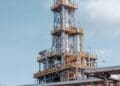
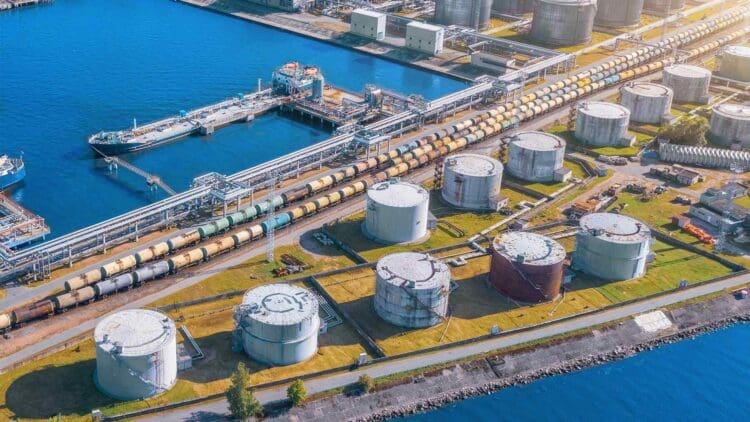
The attraction to the talks stems from the size of the combined operation and the geography of the regions the two operate within. Each company has large facilities in Spain and Portugal, two countries located at the heart of refining, logistics, and transporting goods through the Mediterranean and Atlantic Corridors. By operating out of those locations, the two companies seek to form a platform that can handle both legacy fuels and newer low-carbon fuels.
A merger built upon today’s low-carbon reality
According to the companies, the combination of their downstream operations will provide the scale and financial muscle to rapidly transition toward low-carbon fuels, hydrogen, and other new and advanced forms of mobility. For example, IndustrialCo will combine over 700,000 b/d of crude processing capacity across three coast-based sites — the largest in Europe.
In doing so, they are responding to Europe’s increasingly stringent regulatory environment, where green molecules, synthetic fuels, and hydrogen-based products are becoming increasingly critical. As part of their current work on low-carbon projects, Galp has developed several renewable-fuel-related initiatives, and Moeve has developed the Andalusian Green Hydrogen Valley, one of the largest hydrogen projects in the region.
The proposed merger will also allow the companies to become stronger fuel distributors. Together, the two companies own or operate approximately 3,500 retail fuel service stations in Iberia — making them among the largest fuel retailers in the region. They plan to leverage this scale to increase the number of public electric vehicle charging stations in the region and to develop the next generation of mobility services.
These plans occur as European energy companies are under increasing pressure to transform their organizations rapidly. By merging, Galp and Moeve hope to create a single organization capable of meeting the dual challenges of providing the same fuels consumers currently rely upon while investing in the new alternatives that will eventually replace those fuels.
Where the talks are currently stuck
Both companies emphasize that the talks continue to be non-binding and contingent upon completion of extensive due diligence, receipt of corporate approval, and regulatory consent.
Final agreements are expected by mid-2026 — pending the review process results favorably.
The merger being negotiated between Galp and Moeve does not represent a simple union of two oil companies; rather, it represents a possible tipping point. Upon completion, the combined entity will be a highly competitive, forward-thinking organization with the scope, scale, and financial capability to drive Europe’s refining and mobility evolution. As Galp and Moeve continue to discuss the possibility of a merged organization, the prospect of a single refining and fuel distribution company raises the question of whether the deal will ultimately signal a greater reorganization of how Europe’s energy supply chain operates.