

The United Kingdom has most certainly stepped up its efforts to diversify its clean energy portfolio when examining the initiatives the nation has pursued in 2026. While the U.K. falls outside the leading nuclear energy-producing countries in Europe, it is not complacent. Instead, the nation is actively looking for any assistance to become a top nuclear energy-producing nation. On that note, GE Hitachi’s BWRX-300 progressed within the U.K.’s licensing framework for next-generation nuclear deployment.
The United Kingdom is set to receive groundbreaking nuclear reactors
Nuclear energy is arguably the single energy source that has benefited the most from the introduction of technology into the sector. This is mainly because the production of nuclear energy is interconnected with technological innovation.
It is not surprising to learn that a U.S.-headquartered entity, GE Hitachi, is the one that has participated in enhancing the U.K.’s nuclear landscape, considering that the U.S. is the leading producer in the world by a comfortable margin.
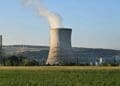
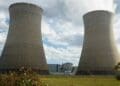

GE Hitachi Nuclear Energy was established in 2007 and has managed to maintain relevance by combining GE’s design expertise with Hitachi’s construction experience. The companies that merged to form a single entity complement each other perfectly.
The progression of small modular reactors (SMRs) continues to transform the global energy landscape, with the United Kingdom establishing itself as a key hub for testing next-generation nuclear technologies.
GE Vernova Hitachi’s BWRX-300 is among the leading candidates set to be displayed in the U.K. Briefly put, the BWRX-300 is a compact reactor design that lowers expenses and increases safety, which are two areas that developers have been complaining about for years.
GE Hitachi makes significant progress in its U.K. nuclear energy endeavors.
Now more than ever, countries in the energy industry depend on each other’s blueprints when deciding how to go about executing certain initiatives. This explains why companies and indeed nations adopt similar strategies. Currently, as nations pursue reliable, low-carbon energy solutions, the BWRX-300 is quickly becoming a strong candidate in the nuclear transition.
GE Vernova Hitachi’s BWRX-300 has achieved a regulatory milestone by completing Step 2 of the U.K.’s Generic Design Assessment (GDA) process. As seen in most 2026 initiatives, countries have Energy Departments that run rigorous tests and regulations to ensure that initiatives are beneficial and will not cause any harm to the country. It is therefore a huge moment for the company that it has taken a major step.
In the U.K, the framework is under the supervision of the Office for Nuclear Regulation, the Environment Agency, and Natural Resources Wales, which all assess new nuclear technologies for safety, environmental protection, and security before construction can commence.
How has the BWRX-300 transformed the contemporary nuclear energy landscape?
Although the energy industry is constantly evolving, there is a higher likelihood that the BWRX-300 will be a mainstay in nuclear generation worldwide. The company’s completion of Step 2 serves as a much-needed confirmation that the BWRX-300 meets fundamental regulatory expectations.
After conducting thorough examinations, the authorities in charge reported no massive safety or environmental concerns that would prevent deployment in Great Britain. Interestingly, this is one of the fastest GDA progressions ever recorded.
It is important to note that the construction process may not commence just yet. There are extensive assessments through a third GDA phase or site-specific licensing that will need to be conducted before building starts.
Delving deeper into the specifications of the BWRX-300 and its popularity
The BWRX-300 is a 300-megawatt small modular reactor designed to incorporate simplified systems and passive safety features. This means it can achieve safe operation without external power or human action during emergencies. It is derived from boiling water reactor technology, which has solidified itself in the energy industry.
The developers of the advanced reactors were able to take advantage of a massive gap by delivering reactors that were much needed. As such, nations cannot resist using these advanced reactors in their initiatives.