
GE Vernova proves 100% hydrogen combustion in South Carolina turbine tests
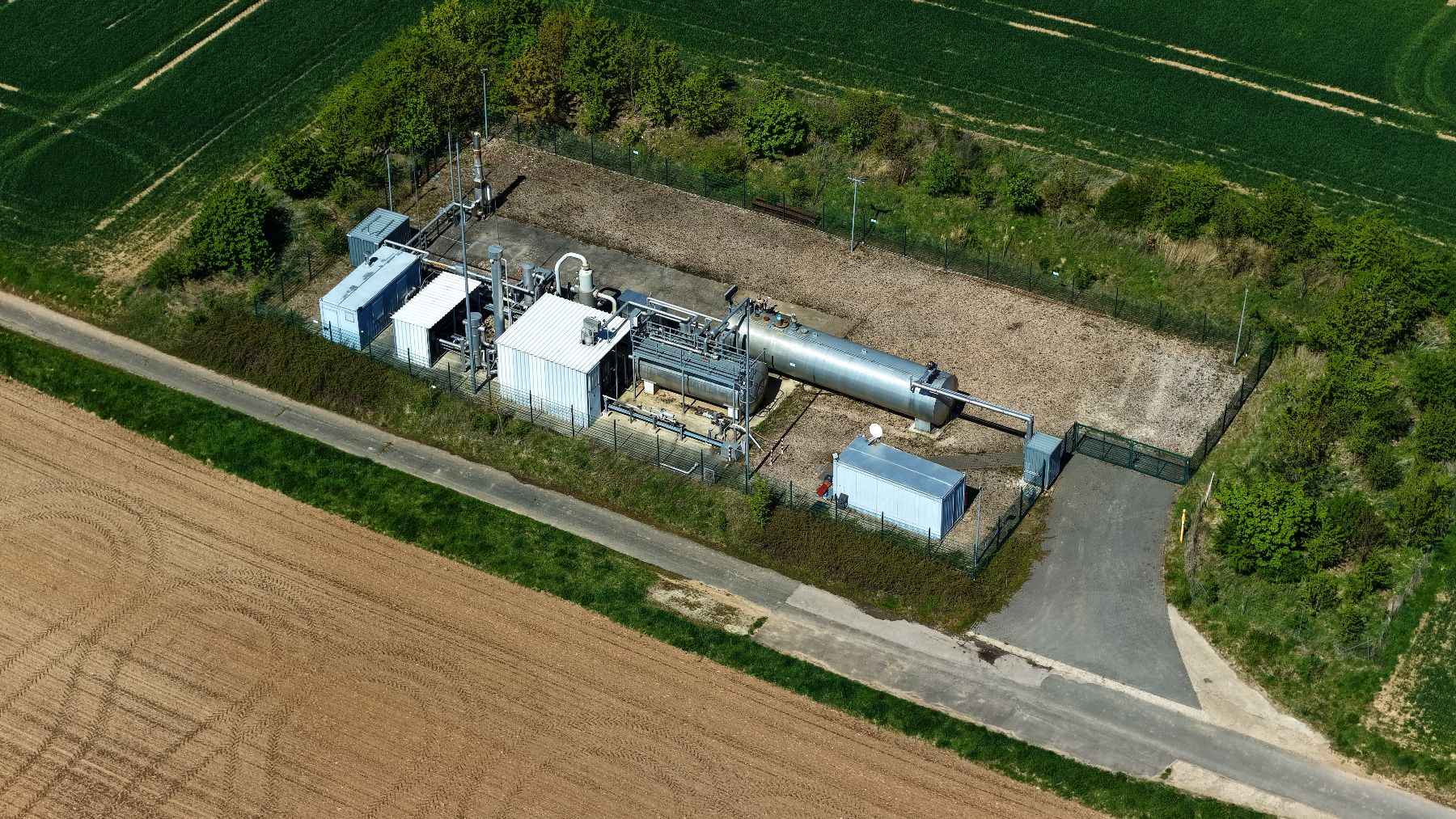
In the past, the execution of hydrogen projects was all about integrating science, but in the contemporary landscape, companies have become dependent on technology to a great extent. As such, the hydrogen projects of the modern-day landscape are much more sophisticated than the ones that were produced in the past. Additionally, they are able to generate more electricity consistently, catering to the general population. Hydrogen facilities are particularly important considering that they do not depend on weather conditions like wind and solar facilities do, meaning they can generate electricity throughout the year. One of the leading hydrogen companies, GE Vernova, proved 100% hydrogen combustion in South Carolina turbine tests.
Analyzing GE Vernova’s influence in shaping the current hydrogen landscape
As newer companies are emerging and starting to gain some momentum in the hydrogen sector, it is important to acknowledge that the companies that existed before have made the hydrogen sector what it is today. One of the most notable companies is GE Vernova. This purpose-built global energy company includes Power, Electrification, and Wind segments and is backed by its accelerator business.
GE Vernova has come to be highly respected in the energy industry mainly because of its longevity. According to reports, the company has 130 years of experience during which it was forced to adapt to different energy generation strategies.
GE Vernova is headquartered in Cambridge, Massachusetts, U.S., and employs an estimated 85,000 employees across 100 countries globally.
GE Vernova has received credit for helping customers power economies and deliver electricity that is integral to health, safety, security, and improved standard of living. GE Vernova is headquartered in Cambridge, Massachusetts, U.S., and employs an estimated 85,000 employees across 100 countries globally.
A huge milestone: GE Vernova proves 100% hydrogen combustion in South Carolina
The United States government has been on the same page with private companies, which has led to the execution of many groundbreaking projects that will assist the nation in meeting its clean energy targets. A press release from GE Vernova announced two major advancements in the development of hydrogen-ready aeroderivative gas turbine solutions, both achieved at its new dedicated hydrogen testing facility at the Global Technology Center in Greenville, South Carolina.
This is a massive moment for GE Vernova considering how long it has been working toward meeting this tremendous milestone. The press release revealed that the company has officially validated the performance of its LM2500XPRESS* aeroderivative gas turbine package for operation on fuel blends containing up to 50% hydrogen in a Dry Low Emission (DLE) configuration and has completed testing of its LM6000VELOX* aeroderivative gas turbine package in a Singular Annular Combustion (SAC) configuration to validate its 100% hydrogen capability.
What next for GE Vernova: Assessing what 2027 may look like for the company?
This announcement serves as a reflection of yet another massive year for GE Vernova. This company has enjoyed reaching many huge milestones over the years. It was also made as part of the company’s comprehensive engagements in COP31 programming in Antalya. Building on this legacy of innovation, GE Vernova has surpassed 11 million operating hours on hydrogen and hydrogen-blended fuels across its global gas turbine fleet.
The importance of Carolina to the United States’ hydrogen energy sector
The completion of the Aeroderivative testing facility, part of the broader investment in the Greenville facility announced in 2025, represents a huge step in the realization of the company’s strategic commitment to U.S. manufacturing.
By establishing this dedicated laboratory, the Global Technology Center has increased its capacity to support the validation of improved product capabilities such as hydrogen-ready power solutions. GE Vernova’s hydrogen technology is beneficial because it allows plants to reduce carbon emissions of their existing gas turbines by implementing system modifications.
As a world leader in gas turbine fuel flexibility, with more than 120 gas turbines that have operated or continue to operate on fuels containing hydrogen, the company shows proven, real-world operational reliability.

Prince is a versatile writer focused on energy, automotive, environmental, and general news topics. He makes complex technical and policy issues clear, engaging, and accessible for a broad audience.
