
Genoil deploys low-capex refining technology to enhance fuel yield efficiency
 Credits: Wolfgang Weiser
 Energy security disputes typically surround shipping lanes, supply routes, and geopolitics. Much less apparent, yet equally impactful, is what occurs to each barrel of crude after it has been extracted. Genoil’s recent announcement places this quiet question into starker relief.
When a shortage isn’t caused by insufficient crude, but by failures to refine available crude
Recent disruptions in global energy markets have exposed an unpleasant reality: shortages aren’t always due to an absence of crude oil. Quite often, pressures build when refining systems fail to convert adequate amounts of available crude into usable transportation fuels.
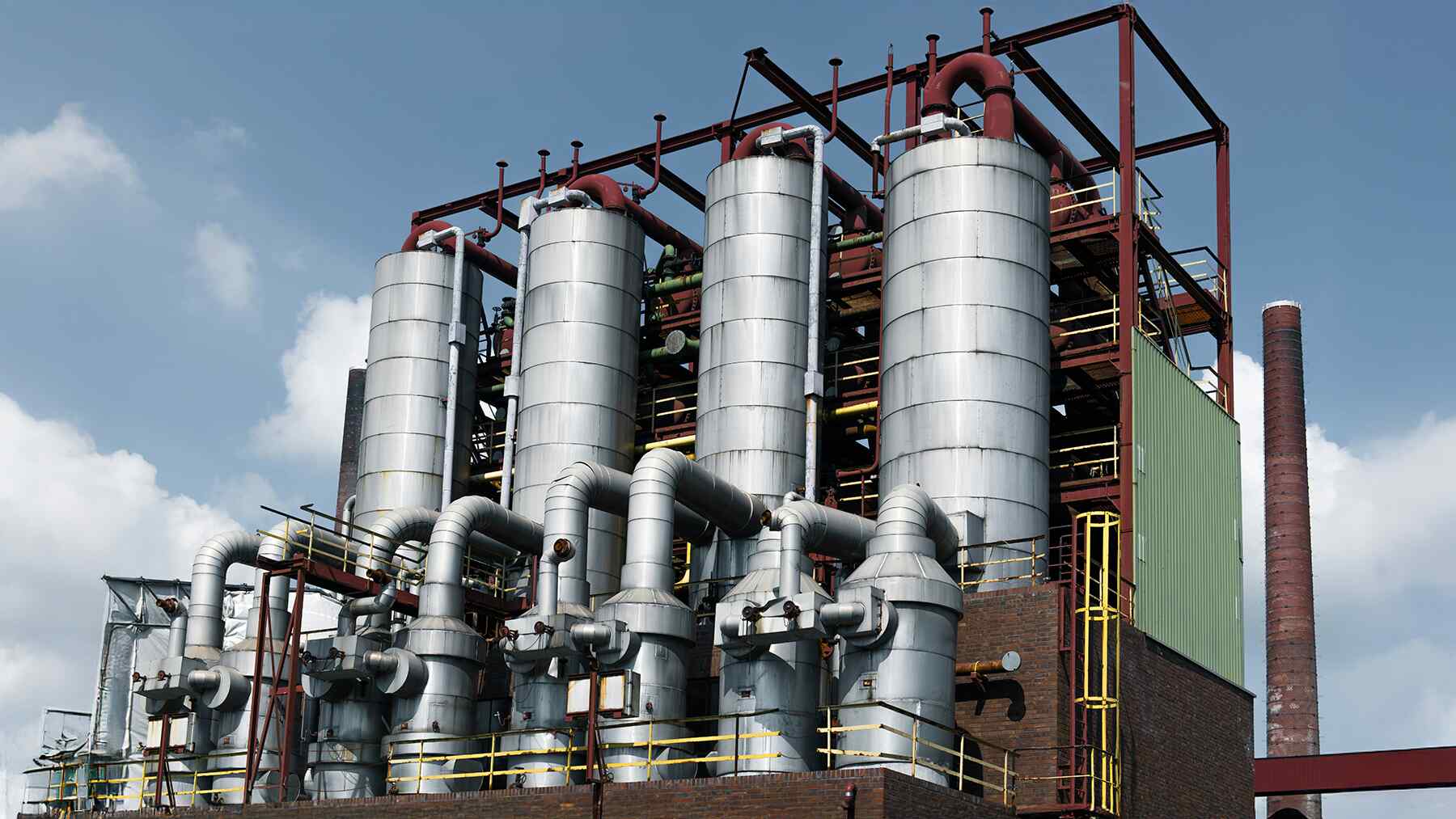
Genoil’s upstream refining technology is specifically designed for the gap left by those inadequacies. Based upon statements made by Genoil officials, their proprietary upstream refining design can generate a total increase of roughly 30% in the amount of transportation fuels generated by each barrel of crude; diesel yields can also rise by roughly 40%. Additionally, no new large-scale refineries or additional crude imports are required to achieve these efficiencies.
A key part of Genoil’s argument is that higher yields per barrel create fewer requirements to transport crude through vulnerable shipping lanes.
Shifting the conversation to efficiency per barrel instead of simply trying to find more oil focuses attention on generating additional value from what is being produced today.
A refining design based on speed and capital discipline
Compared to traditional refinery expansions, which are expensive, slow to obtain permitting approval, and often politically contentious, Genoil views its solution as its polar opposite. Genoil states that its refining design is low-cost and capable of rapid deployment, with upgrade units that can be installed near demand centers, as opposed to being located at major export terminals.
One aspect of Genoil’s announcement that stands out is the claimed ability to bring emergency upgrades online in approximately 60 days. This timeframe is significant during times of extreme supply pressure, where fuel inventory levels contract very quickly.
Additionally, Genoil asserts that by decreasing the residue produced from refining crude and increasing the overall flow rate of existing facilities that operate below capacity, their technology enables current infrastructure to generate additional quantities of saleable fuel without extensive physical expansion.
Lessening the reliance on global chokepoints
The timing of Genoil’s announcement was likely not coincidental. The Strait of Hormuz, through which approximately 20% of all global oil shipments pass, has once again become a focal point for concern regarding the reliability of oil supplies. A key part of Genoil’s argument is that higher yields per barrel create fewer requirements to transport crude through vulnerable shipping lanes.
Rather than redirecting tankers or utilizing reserve stockpiles, Genoil suggests that upstream refining can mitigate the impact of disruptions by creating additional effective supply at the refinery gate. In reference to this capability, Genoil CEO David Lifschultz stated that “if there is sufficient deployment, then possible shortages can become surplus fuel” in cases where there were significant disruptions to supply chains. In addition to tying refinery efficiency to the reliability of national and regional energy supplies, this positioning identifies refining efficiency as another area for competition within the refining sector.
Increasing refinement efficiency becomes increasingly important beyond providing crisis management tools
While the ability to respond to crises via refined product supply chain optimization is one facet of Genoil’s strategy, a larger transformation is occurring within the refining sector. While fuel consumption growth rates are slowing in certain areas, the increasing scrutiny applied to emissions creates incremental margin protection opportunities for producers/refiners that utilize lower-cost upgrading technologies. These technologies enable both stabilization and adaptation of infrastructure with minimal bets on long-term multi-decade-sized megaprojects. If Genoil achieves success at scale with its strategy, it fits well into that developing trend.
What will become clear over time is whether Genoil’s technology produces yields commensurate with its projected performance. What is evident now is that the next frontier for efficiencies in the refining segment is unlikely to be focused on discovering additional oil — but rather maximizing the output from each barrel of oil currently being produced.
