
Germany buries EVs worldwide — Only synthetic fuel engines will survive
 Credits: DrivingECO
A renowned German automaker has just taken a step ahead of the competition, aiming for the future of the automotive industry with the launch of a car powered by a synthetic fuel. This launch will transform everything we know about automotive sustainability, demonstrating that electric cars may not be the only solution for a cleaner future. Discover the German giant behind this project and what we can expect from this incredible synthetic fuel.
The secret project from a German company
The automotive industry has been increasingly seeking more sustainable solutions for its vehicles. The old ways of generating energy and producing fuel are no longer acceptable due to the alarming increase in greenhouse gas emissions, which are very harmful to the environment. With new regulations to reduce the carbon footprint within the automotive sector, companies are investing in more sustainable and clear fuel manufacturing technologies.
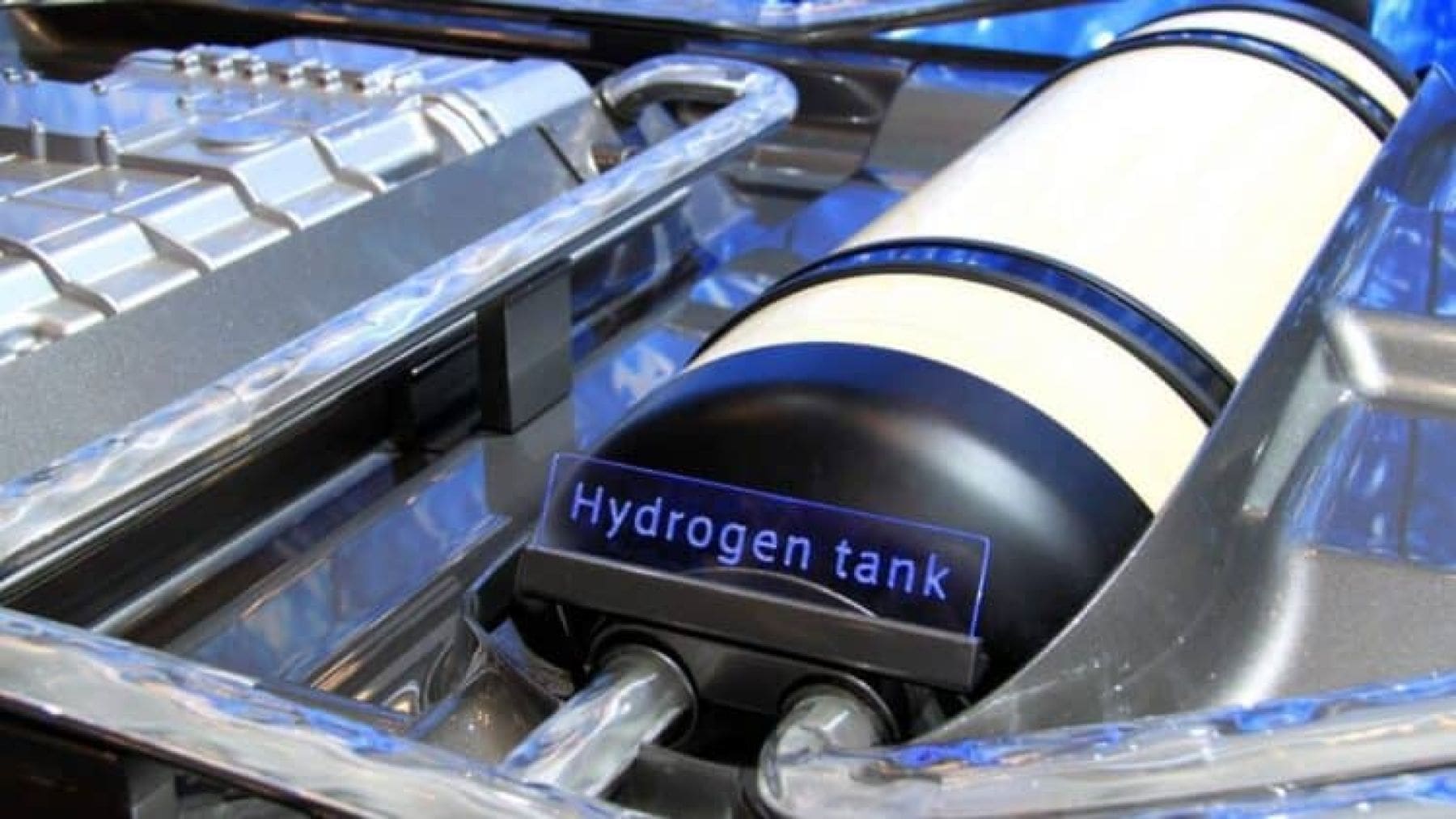
With this in mind, a renowned German company has decided to invest in a secret project, envisioning a cleaner future for the automotive sector. The company aims to become a pioneer with this unexpected and innovative new launch: the company is working on a hydrogen fuel cell and a super-tech car with 2,000-kilometer range, to accommodate this hydrogen fuel cell pill. The company behind this new and green project is Volkswagen, one of the leading players in the automotive market.
With the cell of these two new projects, Volkswagen has everything it needs to leads the automotive industry into the future of the energy transition.
The model hasn’t been officially launched yet, but when it hits the market, it will be Volkswagen’s first hydrogen fuel cell vehicle. This project is being manufactured in partnership with another German company, Kraftwerk Tubes, and the two are preparing to pioneer this new market that’s opening up in the automotive industry: the search for clean energy options beyond the more common electric cars.
Will Volkswagen abandon the manufacture of electric cars?
Despite Volkswagen’s decision to invest in this synthetic fuel project, the company assures that it will not be completely abandoning the development of electric vehicles. The model has seen a decline in production and growth — fell by about 15% and 40% in Europe —, not only at the German company but globally. This is related to several issues, such as the electric motor manufacturing process and the cost involved. These are precisely the reason that led Volkswagen to invest in other models.
Electric cars are known for commanding high market prices. Both their production and sales are quite expensive, and maintaining such a car ends up being costly and unaffordable for most people worldwide. With this in mind, Volkswagen is interested in connecting with this audience by offering its new hydrogen fuel cell car and another model, which will be electric but aims to be more affordable.
Volkswagen is already the leader in electric car sales in German — even surpassing the famous Tesla. Now, by adopting this new stance of maintaining more affordable prices for electric cars, the brand hopes to counter the prices of Chinese models, which are responsible for the decline in sales figures for European companies. With the cell of these two new projects, Volkswagen has everything it needs to leads the automotive industry into the future of the energy transition.
The future of the automotive industry has more than one option
As mentioned earlier, this Volkswagen project has not yet been officially launched; hydrogen fuel cell technologies is still in the conceptual stage. But there is undoubtedly a lot of anticipation.
This technology is expected to be more productive and affordable than current market trend, and hydrogen is considered the fuel of the future. After the company’s patent filling for this project, we hope to see other companies in the sector invest in this technology, moving towards an energy transition.
Disclaimer: Our coverage of events affecting companies is purely informative and descriptive. Under no circumstances does it seek to promote an opinion or create a trend, nor can it be taken as investment advice or a recommendation of any kind. For more information, please visit our Trust Principles.

Carlos is an engineer with strong expertise in technical and industrial topics. He previously worked at international companies such as Siemens and is multilingual.
