
GTT wins Samsung Heavy Industries order to design tanks for Delfin FLNG 1, the world’s largest floating LNG unit by production capacity
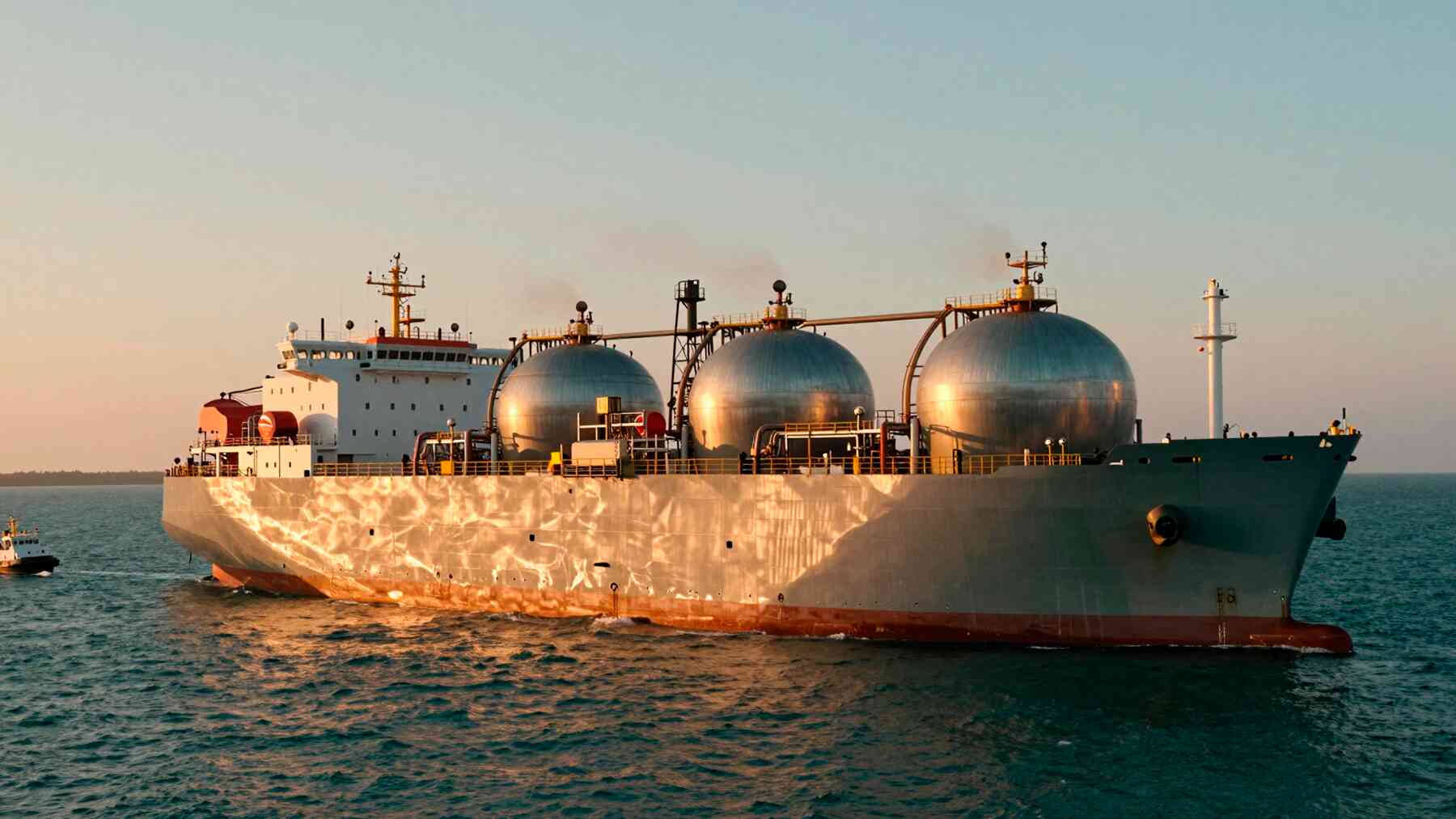 AI-made
French engineering firm GTT picked up an order in Q2 2026 from Samsung Heavy Industries to design the cryogenic tanks for Delfin FLNG 1—a floating LNG unit set to make history on two fronts. When it starts operating off the coast of Louisiana, it’ll become both the first floating LNG facility in the United States and the world’s largest by annual production capacity at 4.4 million metric tons of LNG per year.
GTT secures tank design contract for Delfin FLNG 1
Samsung Heavy Industries placed the order in Q2 2026, tasking GTT with designing the cryogenic containment tanks at the core of the Delfin FLNG 1 unit. Samsung is building the vessel for the Delfin LNG project, which aims to establish a new floating LNG export hub off the U.S. Gulf Coast.
Once complete, the unit will be moored off Louisiana. Samsung Heavy Industries is scheduled to deliver it in mid-2030—giving the project a clear timeline toward becoming the first FLNG facility in commercial service in American waters.
Each tank uses GTT’s Mark III Flex membrane containment system, a technology the company developed for demanding maritime and offshore environments.
Why GTT’s Mark III Flex membrane system was selected
GTT’s scope of work covers eight cryogenic tanks arranged in two rows, with a combined LNG storage capacity of 180,000 cubic meters. Each tank uses GTT’s Mark III Flex membrane containment system, a technology the company developed for demanding maritime and offshore environments.
The Gulf of Mexico presents a specific challenge: hurricanes. The Mark III Flex is built to handle exactly those conditions, making it a practical fit for a unit that’ll spend its working life in a region regularly hit by severe tropical weather. Reliability and safety in that environment weren’t optional considerations — they were baseline requirements from the start.
The Mark III Flex isn’t new or experimental. It carries a solid track record across complex offshore and maritime applications, and that history almost certainly factored into Samsung’s decision to go with it for a project of this scale.
Significance of the first U.S. FLNG unit and record production capacity
The numbers are hard to ignore. A projected production capacity of 4.4 million metric tons of LNG per year would make Delfin FLNG 1 the largest floating LNG unit in the world by that measure — not just in the U.S., but globally. It’s a real milestone for a segment of the energy industry that’s been growing steadily without yet putting down roots in American waters.
GTT’s CEO François Michel put the project in broader context. “With Delfin FLNG 1, offshore LNG is entering a new phase in the United States,” he said. “This project, unprecedented in scale, will contribute to the development of new LNG production capacity to meet global energy demand.”
Michel also spoke to what the contract signals about GTT’s own capabilities—the project, he noted, illustrates the ability of GTT’s membrane technologies “to support complex offshore projects facing demanding operational constraints while meeting the highest standards of performance, reliability, and safety.”
The U.S. has long been a major LNG exporter through land-based terminals, but floating production units haven’t operated in its waters yet. Delfin FLNG 1 changes that, and its record-setting capacity means it enters the market with immediate relevance to global LNG supply.
Background: GTT’s role in LNG containment and the Delfin LNG project
GTT is a French engineering firm with a narrow but critical focus: membrane containment systems for LNG carriers and offshore units. Its technologies are built into a large share of the world’s LNG shipping fleet, and the company has built its reputation on technically complex projects where containment performance and safety margins really matter.
Samsung Heavy Industries is one of the world’s leading shipbuilders, with deep experience in large-scale LNG construction. Pairing GTT’s containment expertise with Samsung’s shipbuilding capacity is a familiar combination in the LNG industry—one that reflects the kind of collaboration projects this demand tends to require.
The Delfin LNG project has a clear strategic goal: positioning the U.S. Gulf Coast as a hub for floating LNG export capacity. Land-based liquefaction terminals require major infrastructure investment and long permitting timelines, whereas floating units can be built at a shipyard and deployed offshore, offering potentially more flexibility in how and where capacity gets added.
Total storage capacity of 180,000 cubic meters
A few facts from this contract are worth keeping in mind if you’re following the LNG industry. GTT received the order from Samsung Heavy Industries in Q2 2026 to design the cryogenic tanks for Delfin FLNG 1. The unit will feature eight Mark III Flex membrane tanks—arranged in two rows—with a total storage capacity of 180,000 cubic meters.
Delfin FLNG 1 will be the first floating LNG unit to operate in the United States and the world’s largest by production capacity, at 4.4 million metric tons per year. Samsung Heavy Industries is scheduled to deliver the vessel in mid-2030, after which it’ll operate off the Louisiana coast. For U.S. offshore LNG development, this is a meaningful step and a high-profile test of GTT’s established membrane containment technology in one of the most demanding marine environments on the planet.
Kelly is an experienced writer with 15 years of experience exploring the big stories that shape our world, from tech breakthroughs and space exploration to climate, energy, and the fascinating quirks of science. She has a talent for turning complex ideas into sharp, memorable insights that stay with readers long after they’ve finished reading.
