
Gulf Keystone resumes Shaikan field production in Kurdistan, reaching over 43,000 barrels per day
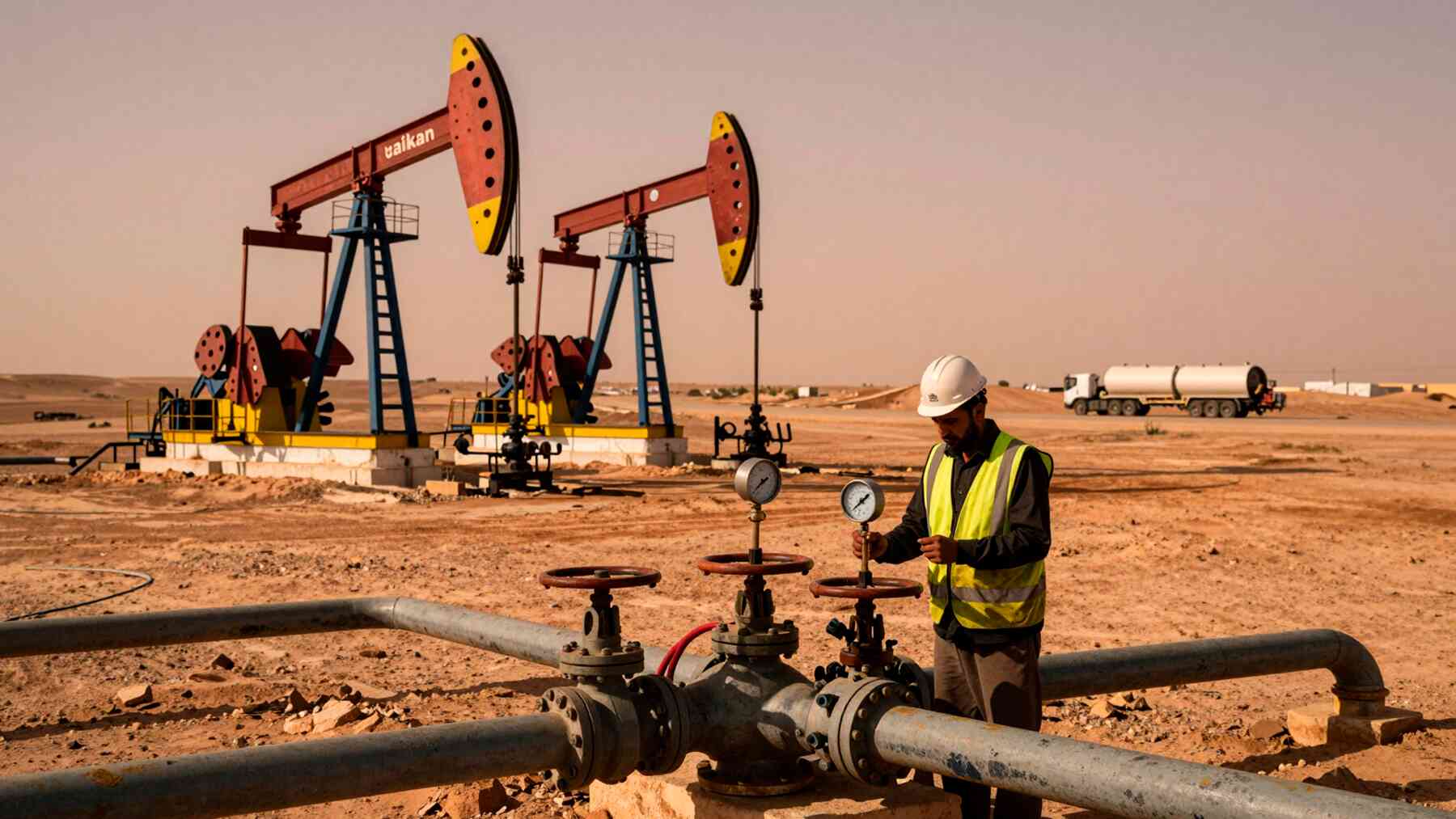 AI-made
Gulf Keystone has restarted production and export operations at its Shaikan field in the Kurdistan Region of Iraq, the company announced on July 13, 2026. Gross output has since ramped up to over 43,000 barrels of oil per day.
The milestone marks a meaningful operational update for one of the region’s leading independent oil producers—and raises questions about what prompted the pause and what comes next for the field.
Production and exports resume at Shaikan field
Gulf Keystone confirmed on July 13, 2026, that production and export operations at Shaikan had restarted. Gross volumes have since climbed to over 43,000 barrels of oil per day—a level that puts the field back in meaningful operational territory.
Kurdistan has long been seen as one of the more promising frontier oil regions in the Middle East, with substantial reserves and relatively accessible geology.
The company isn’t stopping there. Well activities are underway right now, with the goal of bringing additional incremental production online in the coming weeks, which means the 43,000 bopd figure is more of a floor than a ceiling for near-term output.
Gulf Keystone also noted it’s keeping a close eye on the security environment in Kurdistan and the broader region. That language is measured but deliberate—it signals that while conditions are stable enough to operate, the company isn’t treating the situation as fully resolved.
Why operations were paused and what triggered the restart
The announcement confirms there was a prior interruption to production and export operations, though Gulf Keystone didn’t disclose the specific date or incident that triggered the original suspension. The restart implies the company assessed that conditions had become sufficiently stable to resume work.
Security in Kurdistan and the wider region is cited as an ongoing concern. That framing is consistent with how oil companies talk when geopolitical risk is present but manageable. Not a clean all-clear — a calculated resumption.
What exactly crossed the threshold to make a restart viable isn’t spelled out. Operators in Kurdistan regularly navigate a complex mix of regional tensions, pipeline access issues, and local political dynamics, and any combination of those factors could have played a role here.
Companies in politically sensitive environments tend to keep public disclosures tight, especially around security incidents. What the announcement does make clear is that Gulf Keystone moved quickly once it determined conditions allowed for it.
Export agreements and pricing strategy under negotiation
Restarting production is one thing. Getting paid for it at competitive rates is another matter entirely. Gulf Keystone is actively working toward what it calls “sustainable export sales at international prices” and says it’s in constructive engagement to put long-term export agreements in place.
That language matters. Kurdish oil producers have historically faced real challenges securing consistent, well-priced export routes—pipeline access disputes, payment delays, and pricing disagreements with Baghdad have all complicated the picture over the years. Gulf Keystone’s push for international pricing reflects an effort to get on firmer commercial footing.
During this transition period, the company says it’s maintaining strict cost control. When revenue streams are still being negotiated, keeping costs in check protects margins and cash position. Separately, Gulf Keystone is continuing discussions with Kurdistan’s Ministry of Natural Resources on a revised Shaikan Field Development Plan—talks that are likely tied to the longer-term trajectory of the field and how much investment makes sense given current export conditions.
Gulf Keystone’s role in Kurdistan’s oil sector
Gulf Keystone describes itself as a leading independent operator and producer in the Kurdistan Region of Iraq, with Shaikan as its primary producing asset. What happens at that field has an outsized effect on the company’s overall performance.
Kurdistan has long been seen as one of the more promising frontier oil regions in the Middle East, with substantial reserves and relatively accessible geology. Translating that potential into reliable, profitable production, though, has never been straightforward. Pipeline disputes, payment disagreements with Baghdad, and periodic geopolitical disruptions are structural challenges that haven’t gone away—they form the backdrop against which Gulf Keystone is now trying to lock in long-term commercial arrangements.
The ongoing discussions with Kurdistan’s Ministry of Natural Resources on a revised development plan suggest the company is thinking well beyond the immediate restart, positioning for a sustained operational presence at Shaikan rather than simply getting back to baseline.
Talks on a revised field development plan are ongoing
Here’s where things stand. Gulf Keystone restarted production and exports at Shaikan on June 24, 2026, and has ramped gross output to over 43,000 barrels of oil per day, with well activities continuing to bring more production online in the weeks ahead.
Long-term export agreements at international prices are being pursued while costs are kept tightly managed. Talks with Kurdistan’s Ministry of Natural Resources on a revised field development plan remain ongoing.
Security conditions in the region are still a factor the company is actively monitoring. The restart reflects Gulf Keystone’s judgment that those conditions are stable enough to operate—but the situation continues to bear watching.
Kelly is an experienced writer with 15 years of experience exploring the big stories that shape our world, from tech breakthroughs and space exploration to climate, energy, and the fascinating quirks of science. She has a talent for turning complex ideas into sharp, memorable insights that stay with readers long after they’ve finished reading.
