
How Oxygen Gas Detectors Help Improve Safety in Oil and Gas Operations

A storage tank can look empty and still contain dangerous air. An open tank hatch can expose a worker to an oxygen deficient atmosphere with no visible warning.
Consider a maintenance shutdown. A vessel is purged with nitrogen before inspection or repair begins. The equipment appears ready for entry, but residual nitrogen can leave the atmosphere dangerously low in oxygen. Without testing, workers may enter a space where impaired judgment or loss of consciousness can occur before they recognize the danger.
That is why oxygen gas detectors matter in oil and gas operations. They measure a hazard that cannot be judged by sight or smell, giving workers information before they enter an area or continue a task.
Under the US OSHA general industry confined space standard, an atmosphere below 19.5 percent is oxygen deficient, while one above 23.5 percent is oxygen enriched.
How Oxygen Monitoring Supports Oil and Gas Safety
Oxygen monitoring supports decisions at several stages of work. Before tank entry, atmospheric testing helps determine whether conditions meet the approved procedure. During maintenance, personal monitors can alert workers if oxygen levels change unexpectedly. Fixed systems can give early warning in designated areas where nitrogen or other gases may displace oxygen.
Detection is only effective when workers understand what the readings mean and how to respond. An alarm should trigger the site’s established response procedure, not an attempt to keep working until conditions become visibly dangerous.
Why Oxygen Levels Can Change During Industrial Work
Nitrogen is widely used to purge vessels and pipelines before maintenance or startup. It reduces the risk of combustion inside equipment, but nitrogen released through vents, temporary connections, or open access points can displace oxygen in surrounding work areas. The risk is greater where ventilation is limited, or workers are positioned close to the release. Workers cannot smell the change, and a nitrogen enriched atmosphere can cause asphyxiation.
A completed purge does not mean the atmosphere is safe for people. Equipment that has been inerted may still contain too little oxygen to breathe, so atmospheric testing is necessary before entry.
Hydrocarbon releases create another concern. NIOSH has identified oxygen deficiency and dangerous gas exposure during manual tank gauging and fluid sampling. These hazards can occur around open production tank hatches, even when workers are outside a confined space.
Understanding Oxygen Deficiency and Oxygen Enrichment
Normal air contains about 20.9 percent oxygen. Under the US OSHA general industry confined space standard, an atmosphere below 19.5 percent is oxygen deficient, while one above 23.5 percent is oxygen enriched.
In practice, these limits are the points at which alarms and entry decisions are triggered. Too little oxygen can affect judgment, coordination, and consciousness, and workers may lose the ability to escape as conditions worsen. Too much oxygen supports combustion, so materials can ignite more easily and burn more intensely.
How Oxygen Gas Detectors Measure the Air
An oxygen gas detector uses a sensor to measure concentration, usually displayed as a percentage by volume. Electrochemical sensors are common in portable monitors, although other technologies exist. The instrument compares its reading with configured alarm settings and may warn the user with sound, flashing lights, or vibration.
The limitation that matters most is location. A detector measures only the air that reaches its sensor. A reading taken at a tank entrance or a worker’s chest says little about a low point inside the vessel, where oxygen deficient air may be collecting.
Why Oxygen Monitoring Alone Is Not Enough
Oxygen deficiency is only one of several atmospheric hazards that workers may encounter in oil and gas operations. During tank maintenance or equipment inspections, hydrogen sulfide and flammable vapors may also be present, even when oxygen readings stay normal. A reading of 20.9 percent indicates a normal oxygen concentration at the sampling point, but it does not establish that the atmosphere is safe.
The hazards can also interact. Catalytic combustible gas sensors require sufficient oxygen to operate reliably, so they may underestimate combustible gas concentrations in oxygen-deficient atmospheres. Other sensing technologies may not share this limitation. Understanding the sensor type is therefore important when selecting equipment for oil and gas operations.
Oxygen monitoring addresses one important atmospheric hazard, while a properly configured multigas detector can provide broader coverage when additional gas risks are present. A multigas detector with suitable sensors can monitor oxygen, combustible gases, and selected toxic gases at the same time. The two are not a ladder of upgrades. They answer different questions, and the right choice depends on which hazards the task presents.
Portable vs. Fixed vs. Multi-gas Detectors: Choosing the Right Tool for the Job
A portable oxygen gas detector travels with the worker, so it suits inspection rounds, maintenance tasks, and entries covered by an approved procedure.
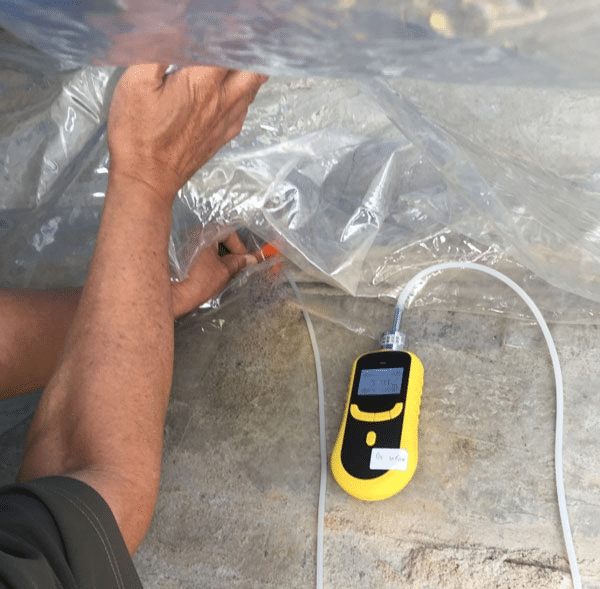
A fixed system stays in one location and can provide local alarms and signals to a control system. It suits areas with a known or recurring release risk, such as equipment where nitrogen is used. Placement matters. During purging, oxygen may fall near a release point before a detector installed elsewhere registers a change. Ventilation, equipment layout and release location all influence where oxygen deficient air collects, so fixed detectors should be positioned around likely release points and airflow.
A dedicated oxygen gas detector can be appropriate where oxygen displacement is the primary identified hazard, such as a controlled nitrogen purge. Where hydrogen sulfide, flammable vapors, and oxygen deficiency may occur together, as in tank maintenance or production equipment inspection, a multi-gas detector may be more suitable. A four-gas instrument commonly combines oxygen, combustible gas, hydrogen sulfide, and carbon monoxide sensors, but configurations vary, so buyers should confirm exactly which gases an instrument detects.
GasDog offers oxygen gas detectors and multigas detection solutions for different industrial monitoring needs. The appropriate choice depends on whether a task requires oxygen monitoring alone or simultaneous detection of additional atmospheric hazards. When comparing options, look at required sensors, operating conditions, alarm and integration needs, and hazardous area approvals that match the site’s classification, rather than choosing by size or price alone.
Confined Space Oxygen Testing Before Tank Entry
Before anyone enters a tank or vessel, the atmosphere must be tested under the applicable confined space procedure. Testing should take place from outside, using suitable sampling equipment.
OSHA guidance places oxygen testing first, followed by combustible gases and then toxic gases. Sampling must also account for gases forming layers, so tanks, vessels and piping can hold different atmospheres at different heights and locations. Sampling points should follow the risk assessment and site procedure.
Conditions can change after the first test. Where the procedure and risk assessment require it, continuous monitoring helps identify changes during the work. An oxygen sensor does not measure hydrogen sulfide, methane, or every hydrocarbon vapor, so a multigas detector covers these hazards only if it carries the right sensors.
Reliable Detection Starts With Routine Checks
A monitor that switches on is not necessarily ready for use. Sensor condition, blocked inlets, battery status, and alarm operation all matter.
A bump test applies test gas to confirm that the sensor responds and the alarms work. Calibration verifies measurement accuracy and, where needed, adjusts the instrument’s response. Manufacturer guidance and site procedures should set the schedule, and MSA describes bump testing before each day’s use as generally accepted best practice. An instrument that fails a check should not return to service until the problem is corrected. When selecting equipment, also confirm calibration gas availability and sensor replacement intervals, since a detector that is hard to maintain may not stay dependable.
Workers also need a clear alarm response: stop work and leave according to site procedures. Reentry requires authorization, and an unprotected rescue attempt can put another person at risk.
Before the next inspection or maintenance task, confirm that the selected detector covers the identified gas hazards, has passed the required checks and is supported by a clear alarm response procedure.

