One fact that cannot be denied, pertaining to the UK as 2026 is now underway, is that the European country is intent on diversifying its renewable energy portfolio. As of late, it is the Hull City Council that has made plans to break ground on phase one of its municipal solar PV rollout in 2026. This announcement has sent great excitement among the city’s residents, who are looking forward to a project that has been in the works for a long time, promising to provide surplus electricity.
The municipal solar PV rollout: Hull’s forthcoming project in a nutshell
Just like many other cities in the United Kingdom, Hull also has carbon-neutral goals and will be pleased that the upcoming project takes it a step closer to achieving those objectives. Technological innovation has created a lot of room for developers to experiment when it comes to generating solar energy. The most frequent method nowadays is amalgamating aesthesis and energy generation.
In the Hull city project, the plan is to install rooftop solar panels on multiple council-owned buildings across the city. Some residents might have complaints about the panels’ location, but the bigger purpose for Hull City is to enhance its renewable energy portfolio. The most common benefits that the projects are expected to haveincludes reducing carbon emissions, creating employment opportunities during the construction phase, and reducing the annual energy bills among Hull city’s residents.


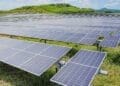
Hull City enters uncharted territory: Reviewing the implications of the solar PV project
The municipal solar PV project is one that has been teased for a long time, so for it to finally be coming in 2026, it is safe to assume that whatever obstacles were in the way have now been eliminated. The plan details that rooftop solar panels will be installed on 12 public sector buildings, such as children’s centres, community centres, and cultural institutions. Among these hubs are Ings Customer Service Centre, Woodford Leisure Centre, Stockholm Road Depot, The Lemon Tree Children’s Centre, and the Hull and East Riding Museum. Perhaps this is representative of careful planning by the government that wants to have control or access to the buildings that are set to produce a lot of electricity for the community.
According to reports, the installed panels will result in over 200 tonnes of carbon savings per year and US$240,000 in energy cost reductions. Hull City has an even bigger target, which is the Hull 2030 Carbon Neutral Strategy. The primary purpose of that target is to actively participate in reducing emissions within its own city before proceeding to reduce emissions in the entire UK. If every town within the country fulfils its role like Hull, then the UK will have no difficulty eliminating carbon emissions.
Analyzing the Economic benefits and strategic planning of Hull’s project
The most exciting thing for Hull city residents was the economic potential that the solar PV project is expected to have. For instance, the council predicts that the Phase One rollout will open up over US$2 million in economic value emerging from things such as skills development.
Hull City aims to become the leader of the green revolution in the UK
The energy production industry is not filled with a surplus of competition because people understand the need to collectively work towards the same goal. However, Hull City is perfectly positioned to become the leader of the green revolution, particularly in the UK. For instance, the municipal renewable energy project has prioritized creating employment, lowering carbon emissions, and reducing energy costs, which are things that typical residents worried about climate change would also target.
Hull City deserves a lot of credit for how it has taken on a unique energy project, especially compared to those that are dominant in the current landscape. The city has perfectly combined social, environmental, climate, and economic goals of the town, allowing them to kill multiple birds all at once.