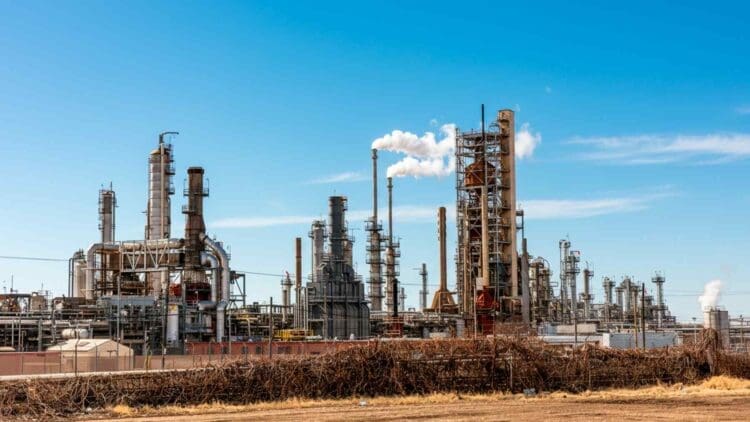

The European energy sector is currently embroiled in high demand outpacing supply. To facilitate a new era of reduced import reliance, INA has begun hot commissioning at its Croatian Rijeka refinery, bringing the facility into the new year with a plethora of upgrades. The long-delayed upgrades at the refinery have become a top priority for the government to drastically reduce imports of essential energy resources and strengthen energy security and independence for the Republic of Croatia.
The European energy sector is evolving in 2026 and beyond to meet demand
Due to the geographical limitations of most European countries, constructing new refineries and energy projects is not in the best interests and often takes years to move past the planning phase into the construction phase.
One tried and tested measure to increase energy resources production is to upgrade existing refineries to handle higher volumes of resources, thereby increasing production capacity. For the most part, Europe has relied on the renewable energy sector to facilitate increases in energy production; however, new renewable energy developments have not yet passed muster with the majority of the population.

Can Croatia reshape its aging energy sector through the upgraded Rijeka refinery?
For the most part, the Republic of Croatia has relied on imports of essential energy resources to meet demand. The nation has seen its dependence on hydropower projects increasing, which now represents almost half of all the electricity production in Croatia.
This is obviously not a long-term solution, and while the international energy market contemplates the need to diversify energy mixes, Croatia is taking its energy future by the hand and leading it towards the upgraded Rijeka refinery.
“By entering the hot commissioning phase, we have taken another significant step toward full commercial production at our new delayed coker unit. Upon successful completion of hot commissioning, we expect to launch trial operation of the unit, with the entire complex reaching full capacity during 2026.” – Goran Pleše, Operating Director for Downstream at INA
INA has outlined a significant milestone at the Rijeka refinery
Following the completion of the construction of the delayed coker unit at the Rijeka refinery, INA has now entered the hot commissioning phase. The hot commissioning phase sees the system being fed fluids at a gradual pace to test and assess the functionality of the components installed.
INA has now revealed the plans for the Rijeka refinery during the hot commissioning phase, which include:
- The construction of the delayed coker unit (DCU)
- modernization of existing facilities
- construction of a new port near the facility
- construction and installation of silos
- a closed coke transport system
- a new transformer station – the largest in the country
By commissioning the delayed coker unit, INA can now increase diesel production at the refinery by up to 30%. The $828 million upgrades made at the Rijeka refinery form part of a broader, long-term investment by INA, which has seen the company investing over $1,183 billion over the past ten years in Croatia.
The EU has a plan in place to eliminate the flow of Russian energy resources into the continent, meaning that upgraded refineries have become a necessity for nations such as Croatia to reduce import reliance and strengthen energy independence in the ever-volatile and unpredictable energy industry.
Can Europe compete with the dominant US energy industry this year?
As the North American energy industry grows at an exponential rate, the reality and possibly uncomfortable truth is that Europe simply can not compete with the astonishing dominance of the US oil and gas market, nor should they try, to be clear. The focus for Europe should be on improving refinery output capacity, which has become a reality in Croatia thanks to the hot commissioning at the Rijeka refinery, which is slated to begin full-scale operations this year.