
India is one of the rare countries that does not have much financial backing but continues to contribute to the green revolution by generating renewable energy. Economically developed nations prioritize their position of having wealth, which is why they target short-term monetary gain from fossil fuel-based projects instead of the long-term rewards of renewable energy. This is where India steps in after news broke that it is in the middle of building a green hydrogen hub of almost 2 GW for the European market.
A general overview: India is building a green hydrogen hub with just under 2 GW output capacity
Not many people could have predicted that India would be in the middle of constructing one of the world’s most significant green-hydrogen ammonia projects as 2026 is now fully underway. Located in Kakinada, Andhra Pradesh is India’s ambitious project has received a lot of support from its government as well as the intended market.
India already holds a respectable position in the technology realm and will have an opportunity to enhance its reputation in the energy sector if the hydrogen hub is executed flawlessly. In general, people have mostly viewed India’s hub as an economic play in which the Asian nation is primarily seeking profit. However, enthusiasts of the energy industry also comprehend the strategic approach applied by India as it hopes to set a blueprint for other Asian nations and less economically developed countries worldwide to follow.

India’s limitless aspirations: India’s green hydrogen hub is built on ambition
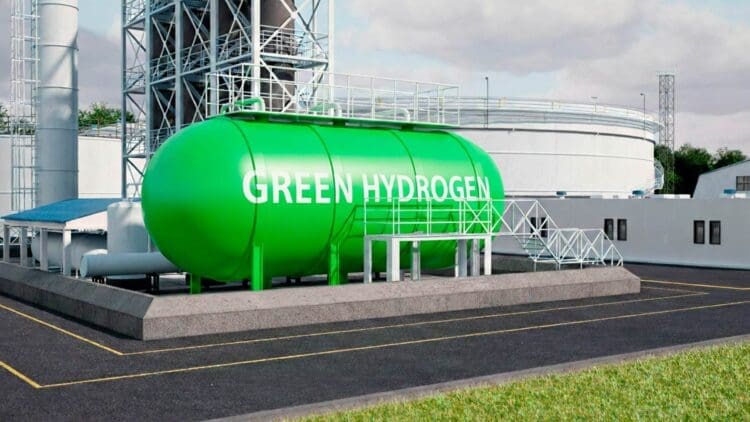
Modern-day civilization often receives credit for executing projects that are seemingly impossible. Although this is mostly deserved, one cannot ignore that people from previous generations might have come up with the initial ideas to develop the project, but lacked the resources required to bring them to life. The upcoming green hydrogen hub is set to have an extensive electrolyzer installation that will reach around 1.95 GW of capacity. This places it in rare territory of being one of the most comprehensive facilities of its kind in the world.
A common question that people ask is how exactly does green hydrogen produce electricity? The alkaline electrolyzers have the ability to generate green hydrogen, which is easily converted into green ammonia. This is important in India’s case because green ammonia is easier to transport, making it easier for the Asian country to supply a large majority of European nations. The facility will also contain 7.5 GW of renewable energy generation and 2 GW of pumped-storage hydroelectric power, which is intended to provide consistent, continuous, and reliable production throughout.
Why is India developing a green hydrogen hub for the European market?
It is fair to wonder why India would invest so heavily to support another continent rather than its own; however, there is a method to the madness. The European market is the one where India stands to make the most profit because there is a gap in that market. For instance, AM Green, which is spearheading the project, has established an agreement to supply 500,000 tonnes per year of green ammonia to Uniper, a major European energy firm.
India’s stroke of genius: Could the green hydrogen hub have a knock-on effect?
India is in a unique position where it could inspire the next wave of green hydrogen hubs that are guaranteed to benefit the earth. There are many nations that are too committed to their fossil fuel projects, so other nations like India have the opportunity to assume the responsibility of generating clean energy for them.
India is the most significant representation of responsible investment after it has allocated its money toward a helpful energy development. When European nations are reaping the rewards of hydrogen, they will have India to thank after it has committed its time and money toward supplying energy to Europe. Fortunately, the nation will be compensated well for exporting the energy.