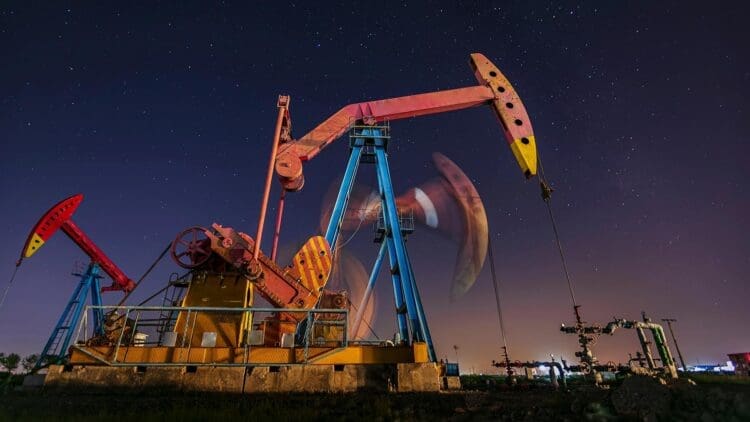
Amidst the uncertainty in the global upstream market due to the latest military action by the United States in Venezuela, several nations are aiming to increase upstream oil and gas production this year to ensure sufficient supply. India has recently launched its biggest-ever upstream licensing round, offering up to 50 oil and gas exploration blocks as a means to attract outside investment in the country’s upstream sector.
A global revival of the upstream oil and gas market is gaining momentum
The global upstream market has seen a revival of sorts in recent months as nations are aiming to ensure they can meet increased demand for energy from the populace and several industries. India has recently opened its latest bidding round for exploration blocks in the gas and oil market.
It has become abundantly clear that India needs to develop its upstream value chain as the nation relies heavily on imports of essential crude for its oil industry. India receives nearly 90% of its crude from imports, which has cost the nation a pretty penny, as the cost of importing oil sat at 4.9mn b/d last year.



Further exacerbating the situation for India is the fact that its currency has not been performing well against the dollar, increasing operational costs and forcing the government to contemplate measures to attract foreign investments.
India has now launched its latest bidding round for upstream developments
The nation has now launched its latest bidding round under its Hydrocarbon Exploration and Licensing Policy’s Open Acreage Licensing Programme (OALP), with an astonishing 50 gas and oil exploration blocks up for grabs. However, there may be a few issues to contend with if market analysts are to be believed.
India needs to amend its legislation to attract foreign investments in upstream production
Market analysts have noted that India’s current tax legislation deters international energy companies from investing. To deal with this latest issue, the government opened the latest bidding round, which was supposed to run until July of last year, but the nation has extended the deadline on four occasions, with the latest round now ending in February.
Government officials told reporters at the 28th Energy Technology Meet in Hyderabad that discussions were ongoing regarding new drilling regulations, which have become a necessity to attract outside investments, as the vast majority of the largest energy companies in the world have stated this is a major issue.
Despite the problems, Brazilian state-owned Petrobras signed letters of intent to expand India’s upstream oil and gas exploration efforts last year. Petrobras has also been mulling over potentially developing several deep-water and ultra-deepwater crude blocks.
India’s latest tax increase has further complicated the situation
India’s government recently increased its goods and services tax (GST) on the exploration, development, and production of gas and oil, effective from 22 September. This has become the latest setback for the nation in its ambitions to increase its acreage under oil and gas exploration to 386 thousand square miles by 2030.
With market data revealing that Asian refiners are set to see tighter margins this year due to reliance on imports, India needs to develop a solution to its upstream issues.
2026 brings a wide range of challenges for the global upstream market
The new year will see the upstream oil and gas market being affected by dramatic capex cuts as global upstream companies face significant challenges. India has become one of the largest emitters of greenhouse gas, and has been working on measures to reduce emissions from the upstream sector. However India manages to attract outside investments, the reality is that legislation and taxes are the major sticking points preventing international investors from pouring money into the Indian upstream market.