The effects of climate change can be felt globally, especially as crucial resources such as freshwater and food are rapidly becoming depleted. Nonetheless, global energy demand is still rising, and the climate crisis’s endless cycle is intensifying. However, floatovoltaics could become a game-changer, potentially alleviating some of the global pressures. India is already testing this never-before-seen energy, so perhaps it is time we shift our focus from photovoltaics to floatovoltaics.
The endless, harsh cycle of the climate crisis
Globally, we are stuck in the endless, harsh cycle of the climate crisis. Climate change has been increasing average temperatures, an effect felt worldwide. Furthermore, extreme weather events such as droughts and flooding are threatening biodiversity and agriculture, increasing food insecurity and water scarcity. This, in turn, negatively affects mankind’s physical and mental health.
Unfortunately, with the rising temperatures, especially in regions burdened by drought, more people are using more energy to keep the heat at bay, either through air conditioning or fans, or perhaps by keeping swimming pools filled despite water scarcity. This means that global power grids are under pressure as they try to keep up with the energy demand.
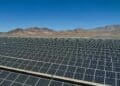

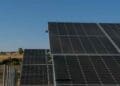
However, there may be a solution. India is testing a never-before-seen energy source, and it could shift the world’s focus from photovoltaics to floatovoltaics.
A never-before-seen source of energy
The U.S. has not remained untouched by the effects of the climate crisis, with several regions impacted by significant heatwaves, prolonged wildfire seasons, droughts, and depleting water supplies. This is why ACBL had to cut the Lower Mississippi tow sizes up to 14%. Now, there have been talks of expanding a certain energy source in the U.S., one that India implemented first.
Photovoltaics are not exactly new news in the U.S., but adding a floating device to them and placing them on reservoirs is. This is known as floatovoltaics, and the Gila River Indian community is embracing this new project. This hot, dry region plans to cover its 150 miles of canals with floating solar panels, an initiative that will not only increase renewable energy production but also save water.
From photovoltaics to floatovoltaics
According to Yale Climate Connections, an international research team conducted a study that concluded that covering 30% of the 115,000 reservoirs’ surface worldwide will produce nearly 9,434 tWh of solar power annually. To place that in perspective, it will be more than double the U.S.’s annual power production, and it will be enough to power more than 6,200 cities in 124 countries.
This will be a game-changer, especially with droughts threatening U.S. hydropower plants. It has also been determined that significant amounts of water are being lost through evaporation, a phenomenon seen at two of the biggest U.S. reservoirs, namely Lake Mead and Lake Powell. That is where floatovoltaics also prove to be beneficial.
These floating solar panels provide shading, which prevents evaporation. Furthermore, the panels remain cooler due to their placement on water, which increases solar power efficiency. What’s more, installation is simple.
“We’ve taken essentially old technology form the marina world – docks and buoys and whatnot – and applied that to building a structure that an array of solar panels can be mounted to. It’s really as simple as that.” – Sales and marketing director at Ciel & Terre USA, Chris Bartle
The advantages of floatovoltaics outweigh the disadvantages. It also addresses the issue of large land requirements, and floatovoltaics can easily be integrated into existing transformer and transmission facilities. This, in turn, will save governments thousands on upgrade expenses. According to a recent Wood Mackenzie report, floatovoltaics is expected to grow by 15%, and the U.S. can expect a 13% annual growth rate over ten years. In other solar news, New York launches one of its biggest solar projects ever.
Disclaimer: Our coverage of events affecting companies is purely informative and descriptive. Under no circumstances does it seek to promote an opinion or create a trend, nor can it be taken as investment advice or a recommendation of any kind.