
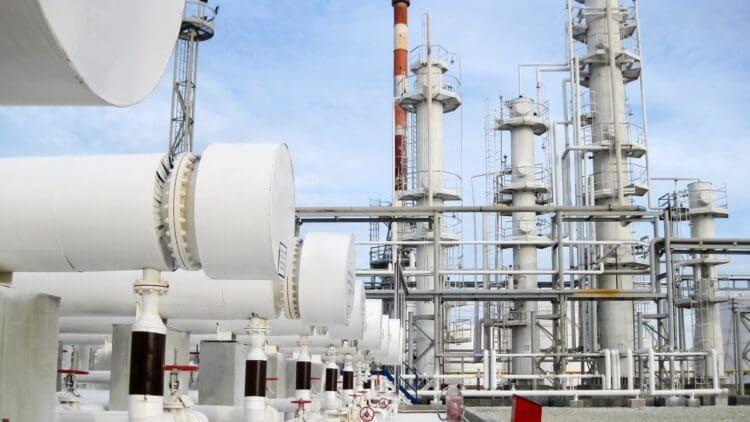
The global petrochemical production industry has been growing at an astonishing rate in recent months, especially as nations turn to the sector to bring in a positive expectation for the new year. Iran, a nation that has been dominated by geopolitical issues in recent years and has become globally renowned for its nuclear power capacity, has turned its attention to petrochemicals. The National Petrochemical Company has stated its ambition to bring online up to 18 new downstream plants this year, totaling a $5 billion investment in the sector.
Iran’s petrochemical industry is preparing for unprecedented growth this year
Iranian government and energy industry officials have stated that the petrochemical sector is set to experience unprecedented growth this year as the nation aims to bring online up to 18 new petrochemical plants this year.
Government officials have noted that these new plants form part of the wider initiative known as Iran’s Seventh Development Plan. The plan calls for more investments in the nation’s flailing energy sector, with petrochemicals set to play a vital role in Iran’s energy future.
Iran’s managing director of the National Petrochemical Company (NPC) has stated that this year will be the golden age of petrochemical production as part of the Seventh Development Plan. He cited 19 new plants, 15 production units, and four feedstock supply facilities that are either ready to be inaugurated or are planned for a 2026 start-up.
Among the projects that were successfully commissioned in 2025 and a few set for a 2026 inauguration are:
- Apadana Methanol in the Persian Gulf
- Kimia Petrochemical’s Isfahan and Dalahu polystyrene plants
- Arman Sepahan
- Arghavan Gostaresh Ilam polypropylene
- Petronad Chemical Park Ethoxylates
- Marun purified ethylene oxide
These are just a few of the astonishing projects that are set to increase Iran’s foothold in the petrochemical industry, with the government noting an estimated $5 billion investment in the industry this year.
Iran’s petrochemical industry prospered in 2025, despite significant challenges
The government has noted that the petrochemical industry in Iran performed exceptionally well last year, with Iran producing 32 million tons of petrochemical products between March and August last year. This points to a substantial positive sentiment over the sector in the nation, which has been subjected to war and conflict over the past few decades.
Of the total 32 million tons, approximately 13 million tons were exported out of the country, bringing in at least $5.5 billion to the nation. Additionally, the domestic buyers of petrochemicals saw at least 7 million tons valued at $4 billion sold to them, according to the government. The global shift towards petrochemical production has been a sight to behold for industry experts.
Despite a few issues, Iran’s ambitions for the petrochemical sector are reaching new heights
Government officials noted that the sector faced some challenges, but ultimately was able to increase petrochemical production across the board, pointing to a prosperous 2026 ahead. With other nations set to increase their own petrochemical production levels this year, Iran’s position in the energy sector is shifting, thanks to the astonishing amount of petrochemical facilities set for commissioning this year.
Even renewable energy-loving Europe has new petrochemical ambitions
The positive sentiment towards the planned increase in petrochemical production is not limited to the ancient and historic nation of Iran, as Italy has outlined plans to approve a new biorefinery and recycling complex in Sicily. The global shift toward the sector is reaching a fever pitch amid the calls to diversify energy portfolios. Europe and Iran are establishing a new era for the energy sector that does not rely on conventional investments in the traditional energy market, such as gas and oil. The petrochemical sector is booming, and the world will be better off for it.

