
Only green fuel engines made in Japan — The world doesn’t really know what they are
 Credits: thejapantimes
 Year after year, the automotive world seeks new ways to create cleaner engines to reduce its carbon footprint. While most companies are pursuing this solution in electric cars, Japan is doing something different with a mysterious clean energy source: green fuel. Do we have an answer for the future of the automotive industry’s energy transition? Learn all about this new form of fuel created by the Japanese and what we can expect.
A different path, ancient mechanisms
Toyota, a major Japanese automaker, recently unveiled one of its most innovative engine models in recent years. The new model is called an “engine reborn” because the brand took a classic engine model and reinvented it for a cleaner, more renewable version: it took an internal combustion engine and transformed it into a more environmentally friendly version that runs on green fuels.
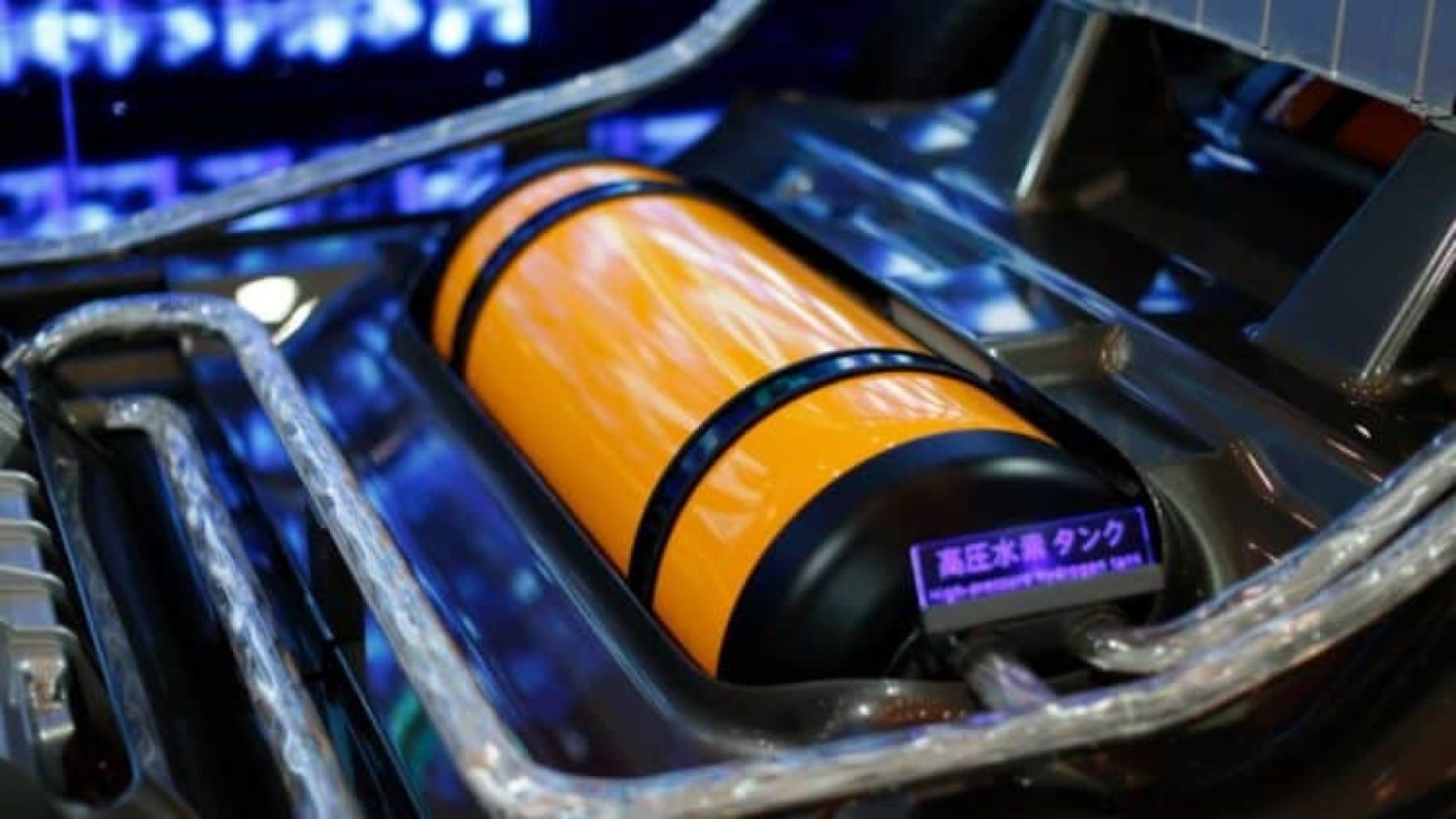
These so-called green fuels can be, for example, hydrogen and bioethanol. Both are excellent examples of less polluting fuels, as they emit zero carbon dioxide. This new engine is nothing more than a traditional internal combustion engine, but with certain elements that make it more sustainable: it will be a hybrid model, combining an internal combustion engine with an electric motor.
Under no circumstances does it seek to promote an opinion or create a trend, nor can it be taken as investment advice or a recommendation of any kind.
The idea is that this new engine, unlike traditional electric or combustion engines, will be lighter and more compact, and, most importantly, that it will be more efficient, as it will complement electric motors in hybrid vehicles. This new engine is a project by Toyota with two other major Asian automotive companies: Subaru and Mazda. This union of Japanese companies highlight the country within the automotive scenario, demonstrating concern for the future of the industry in light of new polluting-reducing regulations.
A strategic partnership for a cleaner future
Although electric cars are seen as the biggest — and perhaps only — solution for reducing the automotive sector’s carbon footprint, Toyota has always made it clear in the automotive industry that it prefers hybrid cars over electric cars, and has been heavily criticized for not producing 100% electric cars. This is why Toyota, Mazda, and Subaru are swimming against the current of what seems to be the only solution for decarbonization, and why they chose high-performance hybrid for this new model.
We’re at a point in the automotive industry where Toyota and its two partner companies in the new project are facing pressure from other companies in the sector, their direct competitors, to manufacture fully electric vehicles. But the truth is that there are still many systemic problems with the manufacture and sale of these 100% electric cars, and it’s against these issues that the idea behind this new fuel engine emerges.
The electricity in the batteries comes mostly from coal-fired power plants, and they are made well with lithium-ion, which are major polluting agents on planet, increasing gas emissions. Because of that, the company believes it can reduce gas emissions in its own way with its hybrid cars, since the manufacturing of electric batteries is so harmful to the planet. However, to ensure the good performance of its hybrid cars, the company guarantees that, despite this, it uses the same materials as electric cars, but in a cleaner manufacturing way.
It is possible to have more than one alternative
As the automotive industry shifts toward full electrification, Japan is developing a new fuel alternative, a new possibility for a more sustainable future with the green combustion engine. This new project demonstrates that there is still much to learn and discuss about the new innovations in the automotive sector, and above all, Toyota is demonstrating that there is more than one path and a single possibility for reducing the carbon footprint.
Disclaimer: Our coverage of events affecting companies is purely informative and descriptive. Under no circumstances does it seek to promote an opinion or create a trend, nor can it be taken as investment advice or a recommendation of any kind. For more information, please visit our Trust Principles.

Carlos is an engineer with strong expertise in technical and industrial topics. He previously worked at international companies such as Siemens and is multilingual.
