
Japan’s METI awards Kyoto Fusioneering-led consortium up to JPY 23.3 billion for tokamak fusion power demonstration
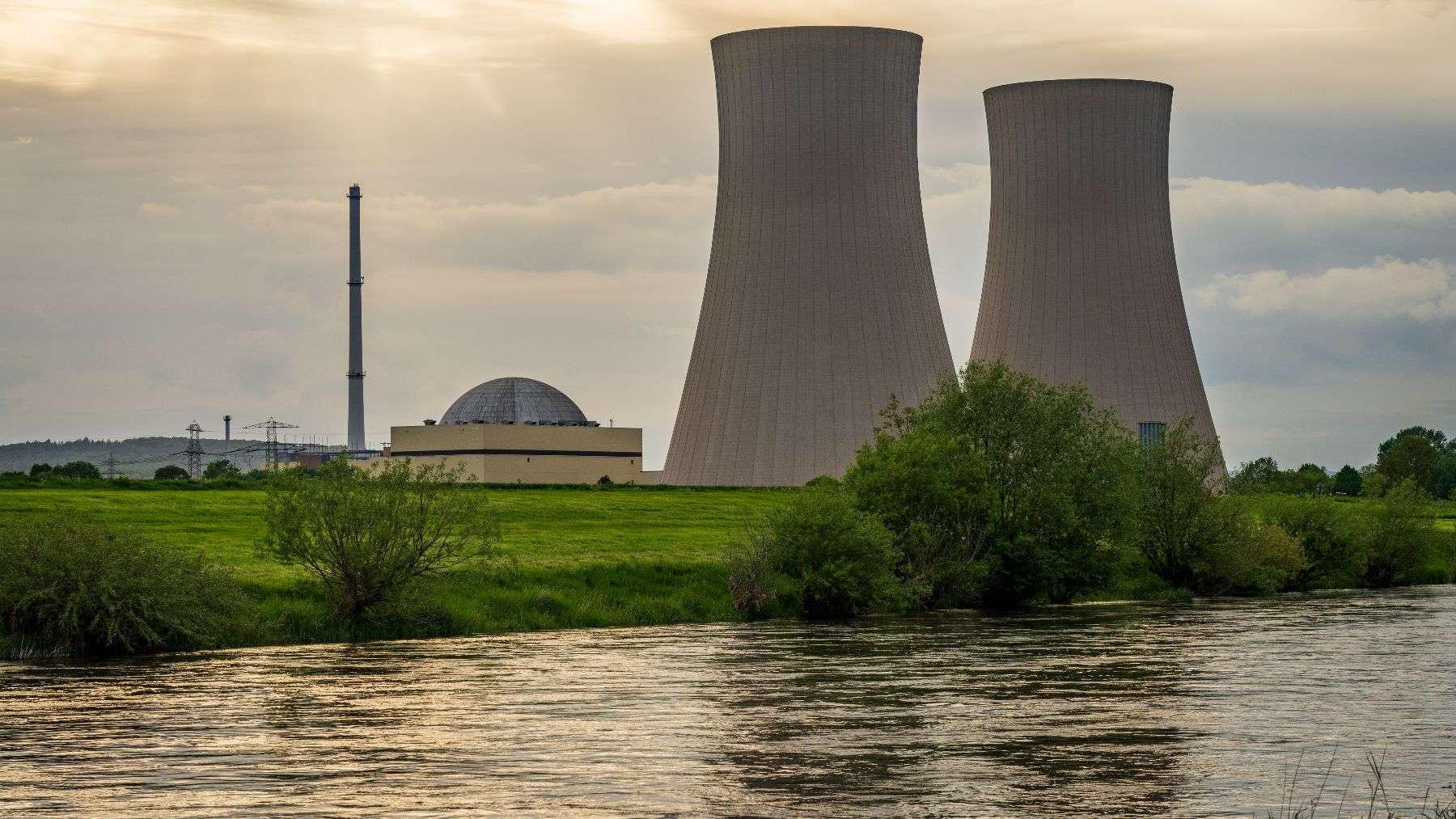
Japan’s Ministry of Economy, Trade and Industry has formally confirmed a subsidy award of up to JPY 23.3 billion (approximately $146.3 million) to a consortium led by Starlight Engine, a group company of Kyoto Fusioneering, for a fusion energy power generation demonstration project running from fiscal year 2026 through 2028.
The grant targets a specific milestone: demonstrating actual power generation from fusion energy using a tokamak device equipped with high-temperature superconducting coils.
METI formally confirms subsidy award
The formal selection announced in November 2026 follows an earlier conditional selection announced on August 31, 2026 (publicly detailed by Kyoto Fusioneering on September 14, 2026). That two-step process — conditional first, then formal — is how Japan’s supplementary budget subsidies typically get confirmed before funds are committed.
It’s to mature the engineering technologies needed when the actual power generation demonstration happens at FAST in the 2030s — the critical groundwork phase.
The official project title is the High-Temperature Superconducting Tokamak Power Generation Demonstration Project. Starlight Engine leads the consortium, with Kyoto Fusioneering participating as a member. Together, they’ll receive up to JPY 23.3 billion (approximately $146.3 million) across fiscal years 2026, 2027, and 2028. That’s real public money going into a technology that hasn’t produced commercial power generation anywhere on the planet yet.
Why METI is funding this project
Japan has flagged fusion energy as a strategic priority — for long-term energy security and for hitting its decarbonization targets. Public funding through METI’s supplementary budget lets the government push resources into high-priority emerging tech before it can stand on its own commercially.
The high-temperature superconducting tokamak approach is widely seen as one of the more promising routes toward commercial fusion in the 2030s. HTS coils let tokamak devices generate stronger magnetic fields under more manageable operating conditions than older superconducting technologies allow. The designated demonstration site is FAST — Starlight Engine’s integrated tokamak demonstration plant — where the consortium plans to show fusion-generated electricity within the decade.
Backing a private-sector consortium instead of a purely public research institution reflects a broader shift in how governments are approaching fusion globally. The logic: combine public funding with private-sector speed and flexibility to push timelines forward.
What the consortium will do over three years
From FY2026 through FY2028, the consortium will carry out design work and component technology development across 10 integrated engineering areas: plant integration, coils, divertor, heating, fuel, blanket, remote maintenance, materials, activated materials handling, and diagnostics and control, according to the Fusion Industry Association.
That’s essentially the full engineering stack a fusion power plant demands — from magnetic confinement and plasma-facing components to fuel handling, structural materials, and the systems keeping everything in check.
The goal isn’t to build a complete power plant in three years. It’s to mature the engineering technologies needed when the actual power generation demonstration happens at FAST in the 2030s — the critical groundwork phase. Kyoto Fusioneering brings specific expertise through its UNITY™ Program, its integrated demonstration initiative covering key fusion plant subsystems. Outputs from this three-year effort are meant to support both the demonstration phase and the commercialization work that would follow.
Background: Kyoto Fusioneering and the Japanese fusion landscape
Kyoto Fusioneering is a private company focused specifically on fusion energy commercialization — not a legacy national lab or a heavy industrial conglomerate, but one built around making fusion commercially real. Starlight Engine is a group company it leads, and it serves as the consortium’s lead entity for this METI project.
The UNITY™ Program is Kyoto Fusioneering’s flagship integrated demonstration initiative. It covers key subsystems of a fusion power plant and represents the company’s core technical platform for developing the engineering know-how needed to eventually build and operate one.
Japan has been investing in both public and private fusion research for years, positioning itself as a serious player in what’s become a genuinely competitive global race. Several international ventures — private startups and national programs alike — are targeting the 2030s for key demonstration milestones, and Japan’s timeline here is in step with that. The METI subsidy signals that the Japanese government sees this consortium’s approach as credible enough to back with serious funding, not just research grants.
What this award means in practice
To bring it together: METI has formally committed up to JPY 23.3 billion (approximately $146.3 million) to a consortium led by Starlight Engine, with Kyoto Fusioneering as a key technical contributor, to build the engineering foundations for a fusion power generation demonstration at the FAST plant in the 2030s.
Work starts in FY2026 and spans all 10 engineering disciplines across the full scope of what a fusion power plant requires. The funding comes through METI’s FY2025 Supplementary Budget, reflecting the Japanese government’s view that fusion is a strategic energy technology worth investing in now — not waiting until the economics are obvious.
The formal selection in November 2026 closes the loop on the conditional award announced in September. From here, the consortium moves from selection to execution.

Kelly is an experienced writer with 15 years of experience exploring the big stories that shape our world, from tech breakthroughs and space exploration to climate, energy, and the fascinating quirks of science. She has a talent for turning complex ideas into sharp, memorable insights that stay with readers long after they’ve finished reading.
