
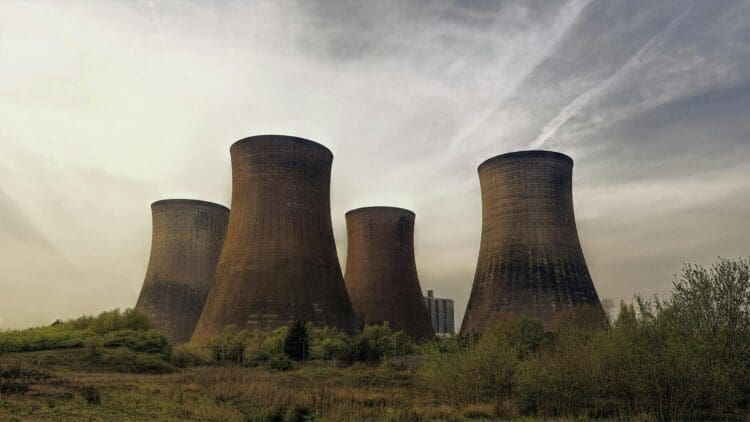
Japan is the latest country to find itself in the middle of controversy after it announced its ambitious plans for 2026. There is a possible restart of Japan’s Kashiwazaki-Kariwa plant in the cards, which is expected to be a trigger for broader nuclear revival. The reason this has led to controversy is that Japanese people are still cautious about the country taking on nuclear developments following the past tragedy of the Fukushima disaster.
Nuclear revival: A brief examination of Japan’s atomic energy landscape as of 2026
As things stand, Japan is in a position where it’s working hard to rebuild its nuclear energy portfolio with the primary objective of generating 20% of its electricity by the year 2030. In the aftermath of the 2011 Fukushima disaster, nuclear usage in Japan went down from 30% to almost zero, which was a massive blow for the country’s energy sector. Following the incident, there was not much diversification in the energy industry.
There are only 33 reactors that are regarded as functional across the country, and only 15 have been revived under strict safety precautions. The residents opposing this latest development are questioning why the Asian nation is choosing this particular route. Japan aims to improve energy security, meet climate goals, and reduce the importation of nuclear power.


How is the Kashiwazaki-Kariwa plant affected by the 2011 Fukushima event?
When something negative occurs in a country, it’s likely to go out of its way to ensure that it does not happen again. This is the case regarding Japan and its reliance on nuclear energy. It was in March of 2011 that a 9.0-magnitude earthquake and massive tsunami struck the Fukushima Daiichi nuclear power plant in Japan. This caused three nuclear meltdowns, hydrogen explosions, and radioactive releases.
Following the devastating event, which could have ended even worse than it did, Japan was less reluctant to adopt a nuclear energy project and instead opted to import nuclear power if it needed any.
This is a decision that the nation stuck to with great discipline for many years. Still, with the never-ceasing technological advancement in the contemporary world, Japan ended up flirting with the idea of bringing back nuclear energy.
Rolling back the years: The Kashiwazaki-Kariwa plant set to trigger nuclear revival
In the latest shocking revelation within the country of Japan, Tokyo Electric Power Co (TEPCO) recently announced that it was “proceeding with preparations” and aimed to restart operations at the Kashiwazaki-Kariwa plant in Niigata province at 7 pm (10:00 GMT). This particular reactor is a 1.35 gigawatt unit that used to supply electricity for millions of homes when it was operational. The reason why this is such a massive moment for Japan is that it is the first attempt at a restart since the Fukushima crisis.
Japan’s attempt to reignite nuclear energy has been met with technical challenges
A lot of people could not help but breathe a huge sigh of relief after learning that Unit 6 was shut down just hours after its controversial opening. The primary cause for this was an alarm signalling something strange happening during control-rod operations. The role of control rods is to regulate nuclear reactions, so if there is anything faulty, the operation cannot go on as planned. Thus, the feeling among much of the population is that Japan might be better off pursuing other types of projects that Asian nations are focused on.
The idea of having the largest nuclear plant in the world sounds appealing, but the squeeze might not be worth the juice this time. As one citizen said, “We can’t remove the fear of being hit by another unforeseen earthquake.” Natural causes are unpredictable, so the Japanese government cannot rule out any devastating event from perturbing its progress. If all goes well, Japan will be the latest Asian nation with a groundbreaking nuclear project.

