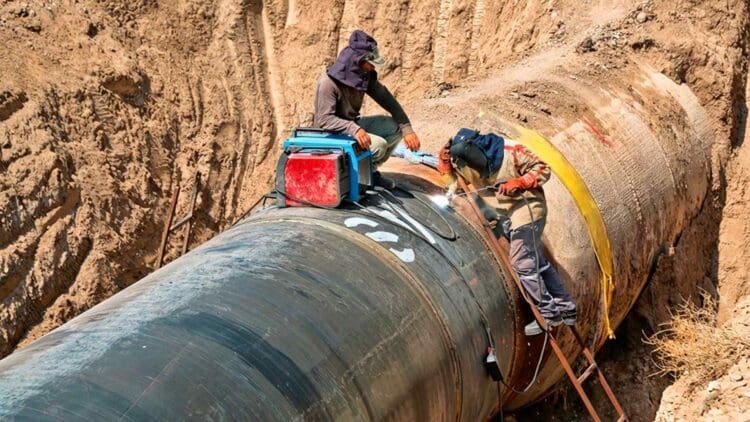

When pipeline announcements are made in the Southeast, they rarely create excitement. The recent announcement by Kinder Morgan to expand its Cumberland pipeline has generated a lot of interest in the Southeastern United States. A cursory review of this announcement appears to be a typical routine project, but the timing, purpose, and regulatory environment surrounding the project indicate that there is a larger regional issue forming.
A seemingly normal project until you consider the purpose and scope
The issue will be how the region will position itself to meet future power generation needs and ensure reliable energy supplies.
The Tennessee Gas Pipeline Company (TGP), a subsidiary of Kinder Morgan, has begun building its Cumberland Project, a 32-mile, 30-inch diameter natural gas lateral to deliver 245,000 dekatherms of additional natural gas per day to the Tennessee Valley Authority (TVA).



The project connects the existing 100 Line in Dickson County, TN, to TVA’s new combined-cycle gas plant in Stewart County, replacing one of TVA’s aging coal-fired facilities. Even though the project is being described as an incremental addition to the Tennessee Gas Pipeline system, it actually binds pipeline capacity to the major transition occurring in the TVA’s power sector.
Work on the project has started since the Sixth Circuit Court of Appeals dismissed all challenges to federal water permits in April of 2025, eliminating the last big hurdle and permitting the construction to begin later that same month. TGP is still aiming to have the Cumberland Project in service by March 2026.
The deeper meaning behind pushing construction
While the Cumberland Project is primarily a supply line, its intent goes further than that. The fact that TVA is transitioning from coal to gas is part of a larger movement away from coal in the region’s energy mix. In a press release, Kinder Morgan states that the Cumberland Lateral is critical to providing reliable, dispatchable power as electricity demand in the region grows.
The Cumberland Route crosses over almost 150 waterways
These crossings were the basis for early lawsuits from various environmental organizations, who expressed concern regarding the impact on the aquatic life in these waterways.
Even though the Sixth Circuit determined that both the state and federal agencies did their due diligence in evaluating the crossings, the environmental concerns remain in the ongoing lawsuits surrounding the project.
Despite the legal issues, the economic impact of the Cumberland Project is substantial. The construction cost of the project is estimated at $225 million and created approximately 500 temporary jobs, providing a significant economic stimulus to the local economies of several Tennessee Counties.
Where does the Cumberland Project go from here?
Now that the construction of the project has commenced, Kinder Morgan’s focus will shift towards completing the lateral in conjunction with the power generation schedule of TVA. The Cumberland Project represents a larger trend: pipeline expansions are becoming directly connected to the power sector requirements rather than simply the need for midstream growth.
As coal plants are retired faster than ever before and electricity demand increases, the project could represent the manner in which future infrastructure projects in the region are formed, with concerns related to grid reliability, as well as the traditional natural gas market dynamic.
Kinder Morgan’s Cumberland pipeline project signifies more than just the installation of a new lateral; it symbolizes the closer connection between natural gas infrastructure and the plans for the transition of the electric grid. As construction of the project progresses toward a 2026 in-service date, the Cumberland Project also creates a number of unanswered questions relative to how energy reliability, environmental concerns, and regional economic development will interface throughout the Tennessee Valley area.