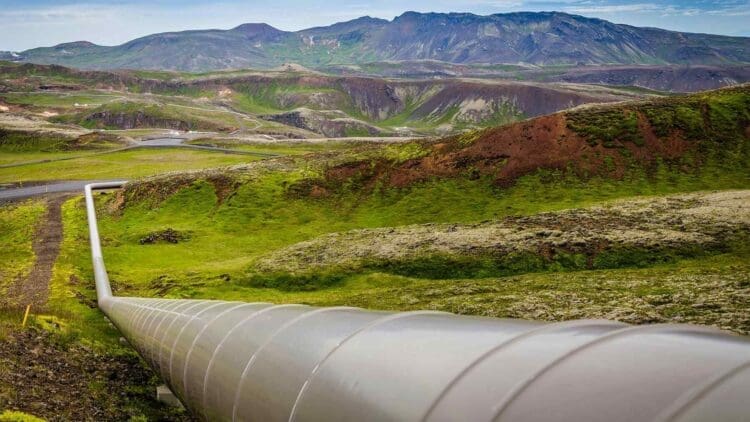

Pipeline projects are sometimes quietly rolled out, especially if they deal with established long-haul systems. However, Kinder Morgan’s recent developments regarding the Gulf Coast Express (GCX) pipeline are generating increasing attention. The initial appearance of this project as simply an additional capacity project now reveals what will ultimately become a fundamental shift in how the Permian Basin’s ever-growing volumes of natural gas are going to be managed.
An otherwise ordinary upgrade — until the size of the project is realized
Kinder Morgan stated it has started construction on the Gulf Coast Express Expansion Project, a fully subscribed expansion project that will provide 550 million cubic feet per day (MMcf/d) of additional capacity to the GCX system.
This expansion project is a $455 million investment for Kinder Morgan; Kinder Morgan will invest around $161 million into the project. Once completed, the GCX system will be able to move approximately 2.55 billion cubic feet per day (Bcf/d) of natural gas from the Waha hub in the Permian Basin to South Texas markets, including the critical Agua Dulce trading and storage hub.


The project is scheduled to begin operation in mid-2026 and will consist of adding compression to the existing 500-mile-long GCX pipeline. This will be the fourth midstream capacity expansion project in the Permian to help alleviate chronic takeaway constraints that have at times caused Waha natural gas prices to go below zero.
Not just another ordinary capacity expansion project – size and timing matters
Looking at what lies beneath the surface helps explain why the project is important today.
- GCX is expanding at a time when Permian Basin gas production is increasing rapidly.
- Year-over-year, analysts expect supply growth of more than 1.4 Bcf/d in the Permian Basin.
- It is reasonable to expect that all of the new takeaway capacity will be quickly consumed.
All of the other competing pipelines have added compression to their systems and some are no longer able to expand. Therefore, Kinder Morgan’s GCX project is strategically significant for all producers that want reliable access to the egress market.
The expansion is also consistent with several long-term changes occurring within the energy marketplace. Long-term demand for pipeline-fed natural gas is being driven by LNG export projects along the Texas Gulf Coast — including projects near Corpus Christi, Port Arthur, and Brownsville. As such, GCX’s expanded delivery capabilities into South Texas position it as a critical component of future LNG growth corridors.
Although some analysts believe there could be too much takeaway capacity by 2027, when multiple new egress projects come online, Kinder Morgan has stated that the GCX expansion is completely supported by long-term, binding transportation contracts — a clear indication that shippers perceive long-term value in the additional capacity.
What GCX’s project status says about the next stage of Permian development
With construction of the GCX expansion project underway, the project emphasizes a broader trend: the Permian Basin remains one of the fastest-growing natural gas-producing regions in North America. Given that production levels in the Permian Basin have been outpacing pipeline build-out activity in recent years, the need for expansions similar to GCX to balance regional supply has grown significantly.
Furthermore, the expansion represents a long-term strategic effort by Kinder Morgan to strengthen its Permian-to-Gulf-Coast corridor. At the same time, Kinder Morgan is pursuing simultaneous projects related to the Trident Intrastate Pipeline and new storage expansion initiatives, indicating a continued commitment to providing gas flows to the Gulf Coast.
Kinder Morgan’s GCX expansion project is more than a midstream capacity expansion
The expansion illustrates the changing supply dynamics of the Permian Basin and the importance of developing new infrastructure to keep pace with increasing Permian gas volumes. As construction progresses toward the planned start-up date in 2026, the project raises many questions about the implications that future takeaway capacity additions will have on the South Texas markets and LNG-driven demand.