
Mach brings autonomous vegetation control to U.S. solar farms
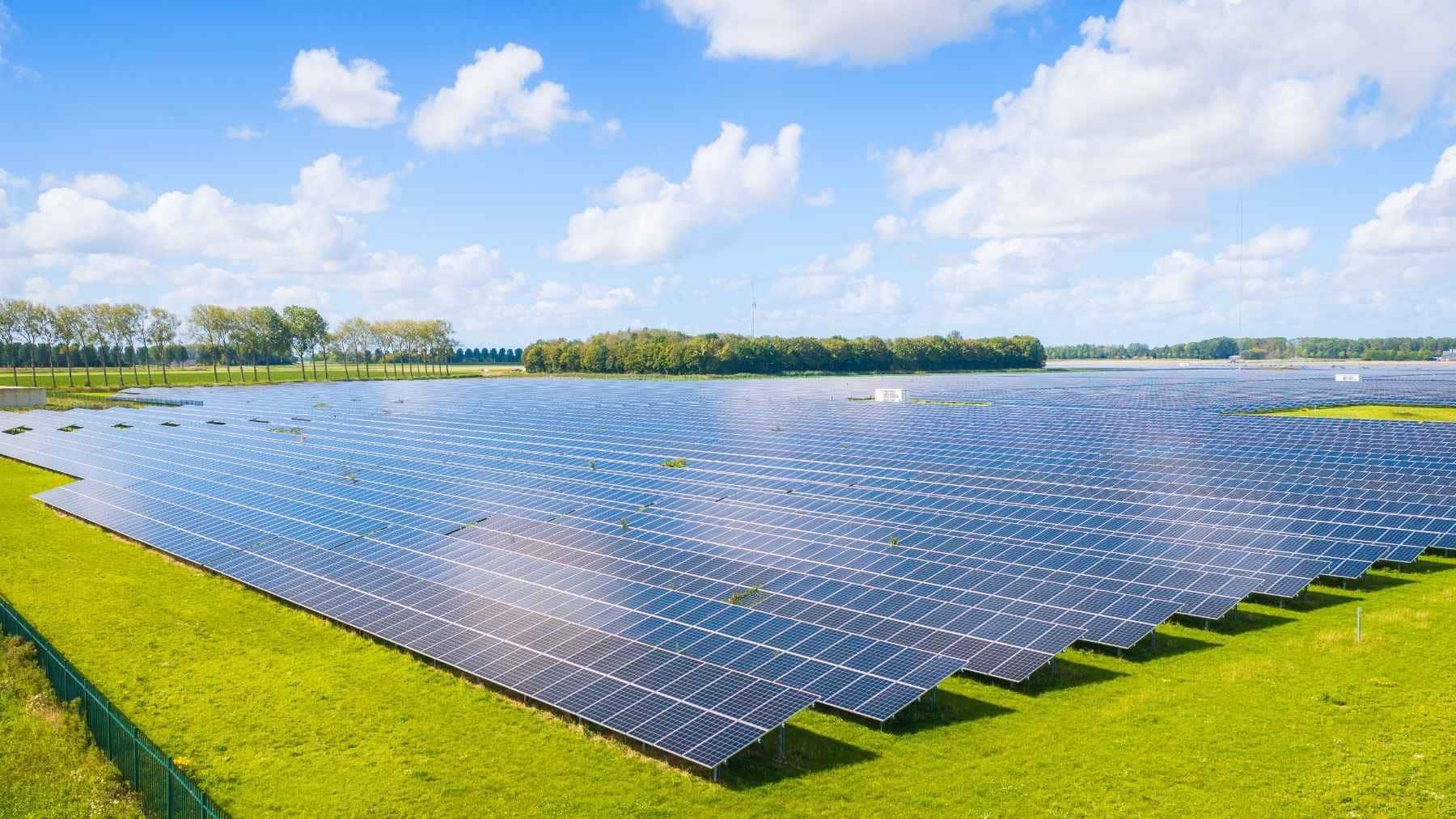
The United States solar sector continues to advance at an unprecedented pace as the government is aiming to compete with Asian solar powerhouses such as China and Japan. One of the biggest advantages that the U.S. has is access to wealth and resources, which position it to execute the most captivating projects that many countries may be incapable of producing. Additionally, the nation’s total solar capacity has increased significantly ever since developers began heavily incorporating combined solar storage and generation facilities. Recently, Mach brings autonomous vegetation control to U.S. solar farms.
Mach pursues a solar initiative with the aim of standing apart from the rest
While companies understand that the overall purpose of the clean energy transition is to assist nations in reaching their clean energy targets, it cannot be ignored that the generation of revenue has become an integral part of the energy sector. As such, companies are still finding ways through which they can stand apart from the rest.
Mach is known for developing full-stack, vehicle-agnostic autonomy systems for off-road OEMs, combining patented phased-array radar, stereo vision, edge computing, mesh networking, and fleet management into a system that vehicle manufacturers integrate onto their own platforms.
Industry experts have high expectations for Mach following the tremendous amount of success that the company has achieved.
Mach’s products include the Mach Command, Mach Perception, Mach RadX, Mach Nexus, Mach Pilot and Mach Ops that are all in commercial service across agriculture, landcare, construction, mining, maritime, logistics and defense.
Taking massive strides: Mach brings autonomous vegetation control to U.S. solar farms
According to a press release from Mach, the company has taken a massive stride after announcing a commercial solar mowing solution that is designed for independent power producers that own and operate utility-scale solar assets. Vegetation management is one of the largest constant operations and maintenance costs on a solar site.
Mowing between and beneath panel rows is seen as repetitive, labor-intensive, and has to be done on a schedule across sites that are often remote and spread across wide territories. Mach’s autonomy platform is built to integrate into commercial mowing platforms purpose-built for the environment, giving energy companies a way to keep sites maintained with fewer operators on the ground.
Utility-scale solar sites present one of the most demanding operational environments for off-road autonomy. The execution of energy projects is multifaceted in ways that the general public does not always get to understand, as it only gets to enjoy the benefits of electricity provided. Since Mach is delivering its full-stack autonomy as a Tier-1 partner to commercial equipment OEMs, it is providing solar asset owners with the rugged dealer-supported machinery they already trust, supercharged with driverless capability.
An assessment of the U.S. solar energy industry’s transformation over the years
The clean energy transition has been essential to the dramatic shift of the U.S. solar farm landscape as solar generation has officially surpassed coal generation for the first time in May 2026.
Mowing utility-scale solar sites is not an easy use case for autonomy, but it is a vital one. By leveraging Mach’s 10+ years of experience operating in similar environments, along with Mach’s growing OEM partnerships, it is in a good position to provide a reliable, scalable, and cost-effective solution to address this critical need.
Looking ahead: How can Mach continue its dominance into the new year?
Industry experts have high expectations for Mach following the tremendous amount of success that the company has achieved. Mach will showcase its autonomous solar mowing platform at RE+ 26, November 16-19, 2026, at the Las Vegas Convention Center, West Hall, where many will be paying very close attention. Attendees are allowed to inspect the machine, review field validation data, and meet with Mach’s technical leadership.
In the U.S., wind and solar power reached an incredible 19% of total U.S. power generation. The surge is heavily influenced by rising national electricity demand from AI data centers, electric vehicles, and crypto mining, triggering the largest increase in U.S. power demand since 2000.

Prince is a versatile writer focused on energy, automotive, environmental, and general news topics. He makes complex technical and policy issues clear, engaging, and accessible for a broad audience.
