
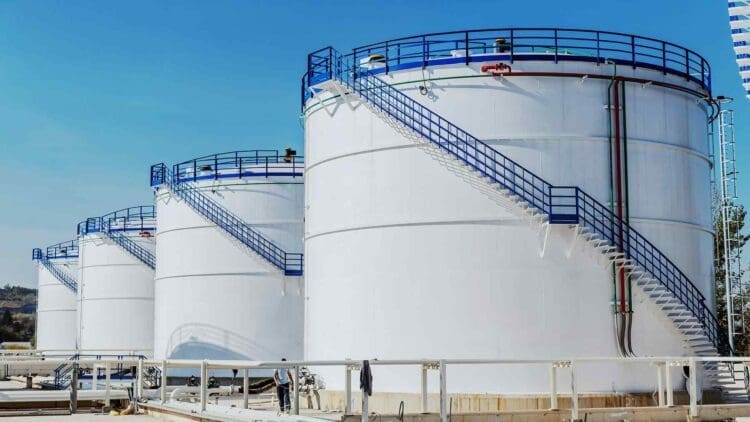

Refining operations usually don’t receive much fanfare. Instead, you see a series of smaller improvements (i.e., equipment replacements, schedule changes, etc.) that, over time, show why those changes were important. That’s happening right now, albeit quietly, at Marathon Petroleum’s Galveston Bay refinery in Texas, with a major undertaking underway that is altering a critical portion of its operations.
An internal project within a larger refining process
The Residual Hydrotreating Unit at the Marathon Petroleum Galveston Bay Refinery was being repaired after sustaining damage from a fire that occurred in 2025. The unit required maintenance that was scheduled sooner than the original schedule. Even though there could have been some negative effects on the routine maintenance schedules, Marathon decided to proceed with its plan to fix and improve the Residual Hydrotreating Unit.
This was another example of Marathon’s operations philosophy of identifying and fixing reliability and regulatory compliance issues (and not related to routine maintenance schedules) at the refinery.

At this level of operation, decisions about the hydrotreater system are normally not made individually. Instead, each decision that is made concerning the hydrotreater system can potentially affect all aspects of the operation (such as production scheduling and downstream processes) since the stricter fuel standards create a greater emphasis on efficiency and performance of the entire facility.
Why timing is so important to a refinery of this magnitude
Hydrotreaters remove impurities from a fuel stream using hydrogen. Hydrotreating has become a standard unit in modern refineries. The reliability and the maintenance of hydrotreaters are essential in the changing environment and the changing composition of the feedstocks.
Galveston Bay repairs included restoring all functional aspects of the damaged Hydrotreater Train and the most significant area of the train, which was damaged. The hydrotreating portion of the system was started up in phases prior to full restoration of the train. The remaining work will be completed by the end of October.
The work is extremely technical, but the objective is straightforward. Upon completion of the repairs to restore the unit to a fully operational state, to ensure that the refinery can continue to produce fuel that meets fuel standards in an efficient manner as well as reliably.
Will this project do more harm than good in the long run?
The refinery at Galveston Bay produces approximately 600,000+ barrels of oil each and every day. The ramifications of even a partial delay in maintenance could have significant repercussions on all the other stakeholders throughout the entire supply chain. Once a complete, scheduled outage for repairs or upgrades is completed, Marathon will know the extent of the damage.
Additionally, the fact that Marathon is moving forward with the repairs demonstrates how refiners make trade-offs between short-term production volumes and long-term performance. Moving the repair and upgrade forward can be operationally difficult, but ultimately, the benefits of increased reliability once normal operations are resumed far outweigh the temporary limitations.
In today’s refining environment, where fuel standards remain stringent and profit margins are extremely sensitive to the reliability of the plant, the long-term benefits far outweigh the initial short-term inconvenience.
Taking the small steps toward the bigger gains
Capital expansion of large-scale additions to a refinery does not always impact its overall size or headline capacity. In terms of a hydrotreater upgrade, the added value is due to what it allows: the ability to reliably meet all mandated emissions standards; the capability to process many types of feedstock; and the assurance of meeting customer demand. The Galveston Bay Refinery project provides an example of how relatively small changes can provide strategic advantages, especially for those refineries that are a local area’s largest supplier of gasoline.



