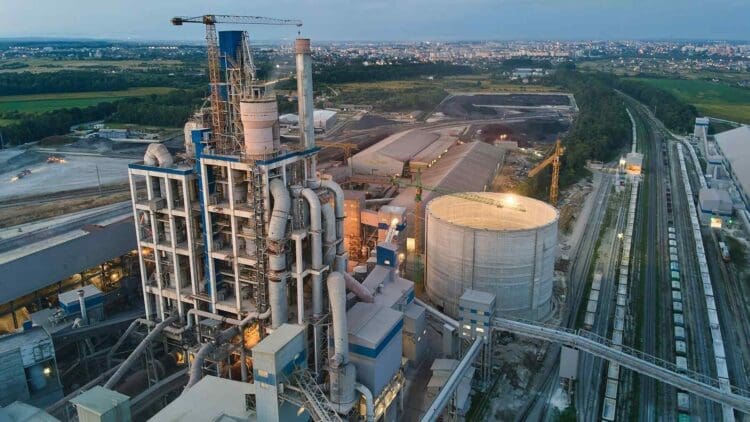

The size of a refining network is generally difficult to visualize when you look at a single plant. However, when you see all of the separate plants (refineries) that make up your refining network, the real size of the network becomes apparent. It is only then that you will begin to understand how the various refineries function as a whole to provide fuels to diverse markets. For Marathon Petroleum, that overall view of the refining network is critical to the design, management, and positioning of its U.S. refining network.
An integrated nationwide footprint built around size and integration
Marathon Petroleum has one of the largest refining networks in the U.S. and has strategically placed its refineries along major demand centers and transportation routes. Instead of functioning as separate plants, the Marathon refineries are connected into a network that enables the movement of products, feedstocks, and operational experience across regions.
The geographical distribution of Marathon’s assets provides redundancy. Because Marathon has enough facilities to meet the needs of the local markets, it can adjust to fluctuations in demand, and it can perform planned or unplanned maintenance at one refinery while continuing to produce fuel at another refinery; thus eliminating dependence on one refinery.


It is therefore particularly relevant that a networked approach is taken into consideration due to the large variations in regional demand for fuels, specifications, and logistical arrangements across a marketplace.
Each refinery’s maximum production capability is therefore based on its complexity rather than size
Typically, refining capacity is measured as an amount per day (in barrels), although Marathon’s network has demonstrated that there is a much more complex relationship. The ability of each refinery to produce output is directly related to the complexity of the refinery, the variety of products produced at the refinery, and how effectively the processing units within the refinery can be used to process multiple crude slates.
Marathon’s network includes refineries capable of producing transportation fuels, including gasoline, diesel, jet fuel, etc. Additionally, the refineries are designed to support specialty products and blending components. This flexibility permits Marathon to adjust the mix of products produced seasonally, based on changing regulatory requirements and/or market conditions.
Therefore, the capacity of the refineries in Marathon’s network is not static. The output of the refineries is adjusted continually through operational decisions regarding the production of specific products, where the products are produced, and when the products are produced.
How network scale supports daily operations
Operating at a large scale presents challenges, but also offers opportunities. Through shared best practices, standardization of procedures, and centralized planning, Marathon can leverage lessons learned at one refinery throughout the entire network. Therefore, small incremental improvements in efficiency or reliability can have significant network-wide impacts.
The large-scale operation also allows for funding of capital projects (which are for the benefit of the entire Network) that will enable Marathon to improve:
- Energy Efficiency
- Emissions Reductions
- Reliability
These types of projects generally do not increase headline capacity; however, they enhance the productivity of the network as well as provide additional usable products to the marketplace. In addition, because the margin is so thin, these operational improvements could be what separates Marathon from other producers.
Continuity and adaptability were key design considerations for Marathon’s network
Marathon’s network was designed to maintain continuous operation with maintenance, upgrades, and turnarounds scheduled years in advance. Long-term planning permits Marathon to maintain its current level of production while upgrading equipment and improving compliance with new standards.
Marathon did not develop a large refining network by continually expanding. Rather than focusing on continually growing its network, Marathon focused on creating a sustainable network. Marathon developed a sustainable refining network by increasing utilization rates (high), increasing its product offerings as markets changed, and utilizing its current assets in a way that allowed for continued competitiveness while meeting or exceeding regulatory requirements.