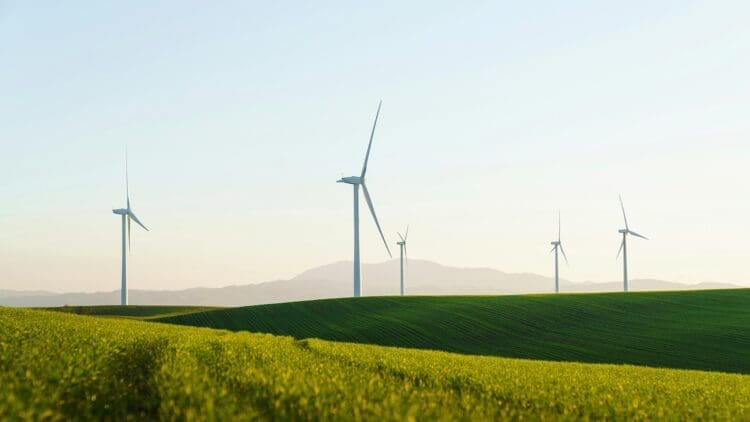

2026 is shaping up to be the year that will see a transformation of European energy resources, as Montenegro has outlined its plans to complete the expansion of the 75 MW Gvozd 2 wind farm later this year. European sentiments for wind power and the renewable energy market overall have shifted over the past few years as more nations turn to the untapped power of wind energy generation. Montenegro is not a nation known for its energy sector, but it is aiming to jump on board the wind energy bandwagon and expand its energy capacity through renewable energy.
The Electric Power Company of Montenegro outlines the new expansion plan
The Electric Power Company of Montenegro, or EPCG, has noted that the required components for its expansion plan for the 75 MW Gvozd 2 wind farm have been delivered, and the project now moves to the next phase. The nation is aiming to take hold of its energy future following a few tough years across the European energy market.
The expansion plan calls for three new wind turbines to be constructed that will make the facility the largest installed capacity in Montenegro – a total of 75,6 MW. The annual production of the three new turbines is expected to reach an astonishing 210 GWh, enough to supply more than 35.000 households in the region with clean energy.
Crucially, the funds for the project have been secured by a new financing agreement and will position the project as the largest of its kind in Montenegro. Additionally, the EPCG notes that CO₂ emissions will be drastically reduced by as much as 137.000 tons per year. The original €82 million loan for Gvozd was a landmark achievement for the nation as it aims to deploy its first-ever wind farm this year.
“We are proud to deepen our partnership with EPCG and support the expansion of Montenegro’s flagship renewable energy project. The Gvozd wind farm demonstrates how flexible, long-term financing can deliver real impact – both by increasing clean energy generation and by setting new benchmarks in project implementation. This additional investment underlines our commitment to accelerating Montenegro’s green energy transition and strengthening its energy security.” – Remon Zakaria, EBRD Head of Montenegro
A major European development bank has provided the necessary funds for the project
The loan was provided by the European Bank for Reconstruction and Development and has positioned Montenegro as the latest European nation to invest heavily in the renewable energy market in recent years. The 75 MW Gvozd 2 wind farm expansion is being developed by Montenegro’s national electricity utility Elektroprivreda Crne Gore (EPCG) and its subsidiaries.
Notably, it is the first project to receive extension financing during construction, which has the added benefit of contributing to the bank’s green infrastructure plans for the European energy sector. Several new plans have emerged that will boost the standing of the wind power sector in Europe, with the SSE Renewables plan for Southern Europe coming into realization recently.
“The energy sector is key for the overall development and progress of the Montenegrin economy and the Gvozd wind farm, with its extension, is a large and important project for us – the biggest wind farm in Montenegro. Gvozd is not just another construction project, but also a symbol of progress, vision and determination to build a sustainable future. – EPCG Chief Executive Officer Ivan Bulatovic
Europe’s clean energy transition is picking up steam this year
The Montenegro 75 MW Gvozd 2 wind-farm expansion is exemplary of the sentiments for clean energy generation in Europe, and paves the way for other, smaller European nations to follow suit and invest in their own renewable energy projects this year. With the UK’s Dogger Bank project in the North Sea reaching a critical milestone recently, the future of the renewable energy market in Europe is looking as bright as ever, and once the transition away from fossil fuel-based power is complete, the world will be better off.