
Most Common Injuries Experienced by Oil Industry Workers
The oil industry employs hundreds of thousands of people all across the globe. Folks who make their living in the oil industry can expect to work from anywhere from an offshore oil rig to an air-conditioned corporate office.
Those who work out in the field and on offshore rigs accept the fact that working in oil is dangerous. All manner of accidents can occur, some of which result in injuries and extended time away from work.
Oil workers can reduce their risk of accidents by understanding the most common injuries and how to avoid them.
Employers can mitigate risk and improve workplace safety by following protocols that reduce the risk of fractures, burns, TBI, or paralysis.
Fractures
Fractures are a common occurrence in any industry that requires manual labor. Anything from a stubbed toe to a falling beam can cause a fracture and the severity of fractures can vary massively.
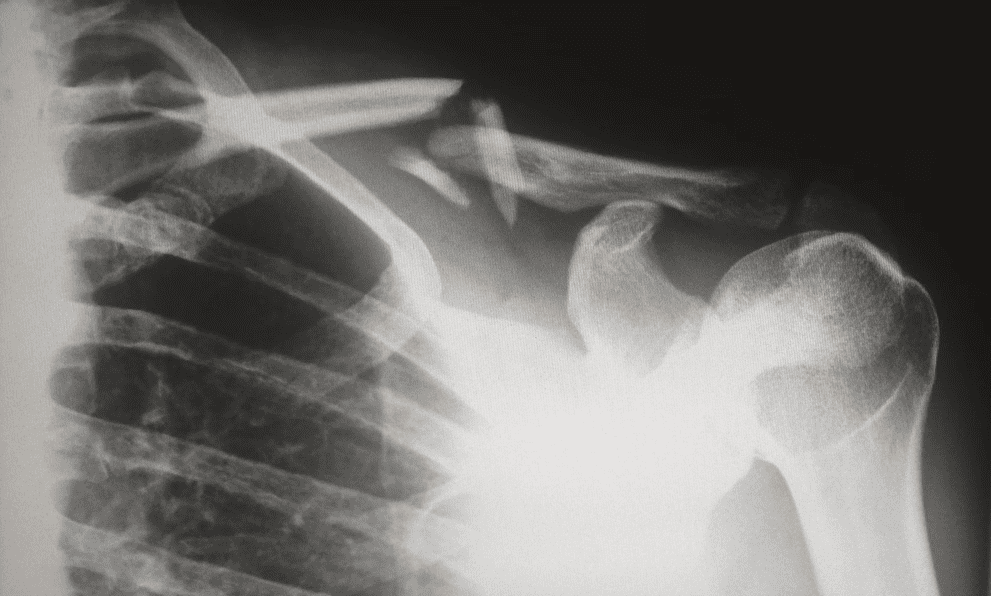
Some of the most common fractures occur in the clavicle, arm, and hip. Workers can easily break their collar bones if they happen to slip on greasy surfaces and try to catch themselves. The collarbone is usually unable to take the weight of the fall and may fracture under pressure. Similarly, wrist and hip injuries usually occur when falling or handling heavy machinery that jars the body in an unusual way.
Fractures and breaks should be fairly easy to heal. Doctors just need to set the break and patients need to take time off to allow it to heal. However, many oil fields are in rural areas with limited access to healthcare.
Rural workers have poor access to emergency care due to the healthcare gap that persists across the nation. It can be hard to find a doctor for trauma care while out in the field. States like Wyoming, South Dakota, and Idaho do not even have a single Level 1 trauma center in the entire state. This means that workers in those states may have to wait hours after a break to see a doctor.
Burns
Safety protocols and practices should keep oil workers away from scalding hot oil when it comes out of the ground. However, things sometimes go wrong and oil workers can be close to oil that has combustion temperatures of up to 500 degrees centigrade.
Chemical burns and leaks can result in burns of varying degrees. Some of the most life-changing burns can happen in the blink of an eye and damage underlying tissue or nerves.
Maintaining stringent safety standards is paramount. It can be tempting to cut corners and allow safety standards to slip when operating with tight budgets and long working hours. However, folks who are responsible for safety on site must instill a culture of workplace safety, even if checks and safety protocols result in a short-term loss of productivity.
Head Injury
A recent meta-analysis of oilfield injuries found that blunt trauma is the leading cause of injury in the oil and gas industry. While the majority of workers who suffered from blunt trauma were discharged quickly, 32.4 percent faced further complications due to their injury, and 6 percent of injuries resulted in death.
The same meta-analysis of injuries found that the majority of blunt trauma happened in the head and neck area. Blunt trauma to the head is particularly dangerous. Even accidents with minor impacts can result in concussions. Oil workers should be aware that blunt trauma to the body can cause a concussion, too, as shockwaves pass up the body and shake the brain.
Accidents that result in traumatic brain injuries (TBI) should be of major concern to workers and employers. TBI can leave a lasting impact on the patient and cause them major issues for life. Those who experience TBI may suffer from memory loss, motor coordination issues, mood swings, and profound confusion.
Paralysis
Blunt trauma to the head, neck, and body can easily result in paralysis. This is more likely to occur when working in the oil industry, where the most common causes of injury include falling objects, motor vehicle accidents, falls, or crushes.
Paralysis is a life-altering injury that is traumatic for patients and costly for employers. Some patients who experience paralysis can recover over time, but many are paralyzed for life with little chance of recovery.
The risk of paralysis underlines the need for rigorous safety standards on site. Workplaces that care about employee safety should ensure that workers are not around heavy machinery and should be vigilant about responding to faults and hazards on site.
Conclusion
Most folks who work in the oil industry complete their entire career without a major accident or incident. However, some of the most common injuries in the oil industry can be life-changing and costly. They may also require employees to take significant time off work or leave the field altogether. Employers can mitigate risk and improve workplace safety by following protocols that reduce the risk of fractures, burns, TBI, or paralysis.

Indiana Lee lives in the Northwest and has a passion for the environment and wellness. She draws her inspiration from nature and makes sure to explore the outdoors regularly with her two dogs. Lee also has experience in owning and operating her own business. Feel free to follow her on Twitter @indianalee3.
