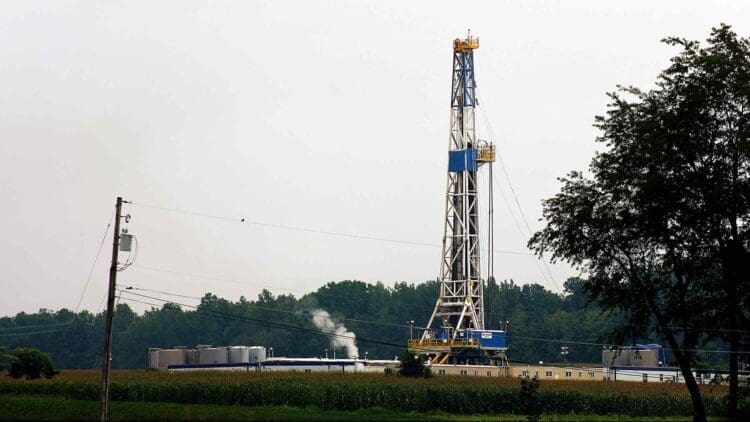

What could be better than a detailed inventory of planned energy projects for a nation? Canada’s Natural Resources Department has recently revealed the substantial upstream energy schedule for the coming decade. Canada is among the largest energy-producing nations in the world, but has recently been overshadowed by the more expansionary United States energy sector. Thankfully, Natural Resources has provided a roadmap outlining planned projects for the future and how they might affect the nation’s upstream sector and the sub-sectors that form it.
Will Canada navigate the treacherous waters of the international energy sector to deliver key upstream developments?
For the Canadian energy industry, growth is the name of the game. Like a hockey player discovering his true strength out on the ice, Canada has only recently begun to compete with its more prevalent neighbors to the North and the South.
The crude oil sub-sector in Canada is set to grow significantly over the coming years, especially considering the planned buildout of the latest crude oil pipeline in Alberta. Canada’s Natural Resources has outlined several key trends that affect the investment opportunities for the nation’s energy sector and has provided a transparent schedule of planned projects that will reshape the Canadian energy market over the coming decade or so.



British Columbia and Alberta top the energy output capacity for Canada
In 2024, Canada added an astonishing 340 energy projects to the nation’s inventory, totaling a combined capital value of $510 billion. The regions that play a vital role in the Canadian energy market are the following:
- British Columbia – 42.9%
- Alberta – 28.5%
- Ontario – 13.6%
- Quebec – 7.5%
Canada has been working diligently to increase the production capacity of essential energy resources through a plethora of initiatives and deployment programs, as well as working on collaborative cross-jurisdictional developments to expand the nation’s already impressive energy output.
How is Canada planning to influence investments in its energy sector over the coming years?
While the United States and China top the oil production market globally, Canada has been making great strides in recent years and is the 4th largest oil producer in the world, with the 4th highest proven oil reserves in the world.
To facilitate a wide range of investments in its energy sector, Canada has been working on several initiatives to influence investment opportunities, such as:
- A complete and extensive phasing out of coal by the end of the decade.
- Improving natural gas performance standards
- A revenue-neutral carbon tax for energy companies
- Reshaping the nation’s Net Zero 2050 legislation
- Transitioning to a net-zero electricity system, which will begin in 2035
The current sentiment is that Canada will increase its upstream investments over the next decade to provide a new era of established energy projects that play a key role in advancing the Canadian energy sector to reach for the stars.
A prime example of the expansionary nature of the Canadian energy sector is the newly approved Northeast BC Connector, being developed by NorthRiver Midstream, which will connect regions of the nation to the export and processing power near the coast.
“To level the playing field, Canada announced a suite of investment tax credits. The impact of these tax measures may be affected by a shorter construction season and limited availability of specialized contractors needed to support the construction of petrochemical facilities.” – Canada’s Natural Resources
2026 will see the Canadian energy sector grow significantly, if all goes to plan
Thanks to the detailed plan for the next 8 years, Canada’s Natural Resources has provided significant support for energy projects, and the reality is that this year will see several new developments become a reality, such as the West White Rose expansion, being led by Canadian-based energy company, Cenovus. Can Canada develop a more inclusive energy sector that brings together the largest energy projects to deliver a year loaded with potential?