
Between panels at a 3.2-MW New York solar farm, farmers can still harvest hay and grow vegetables
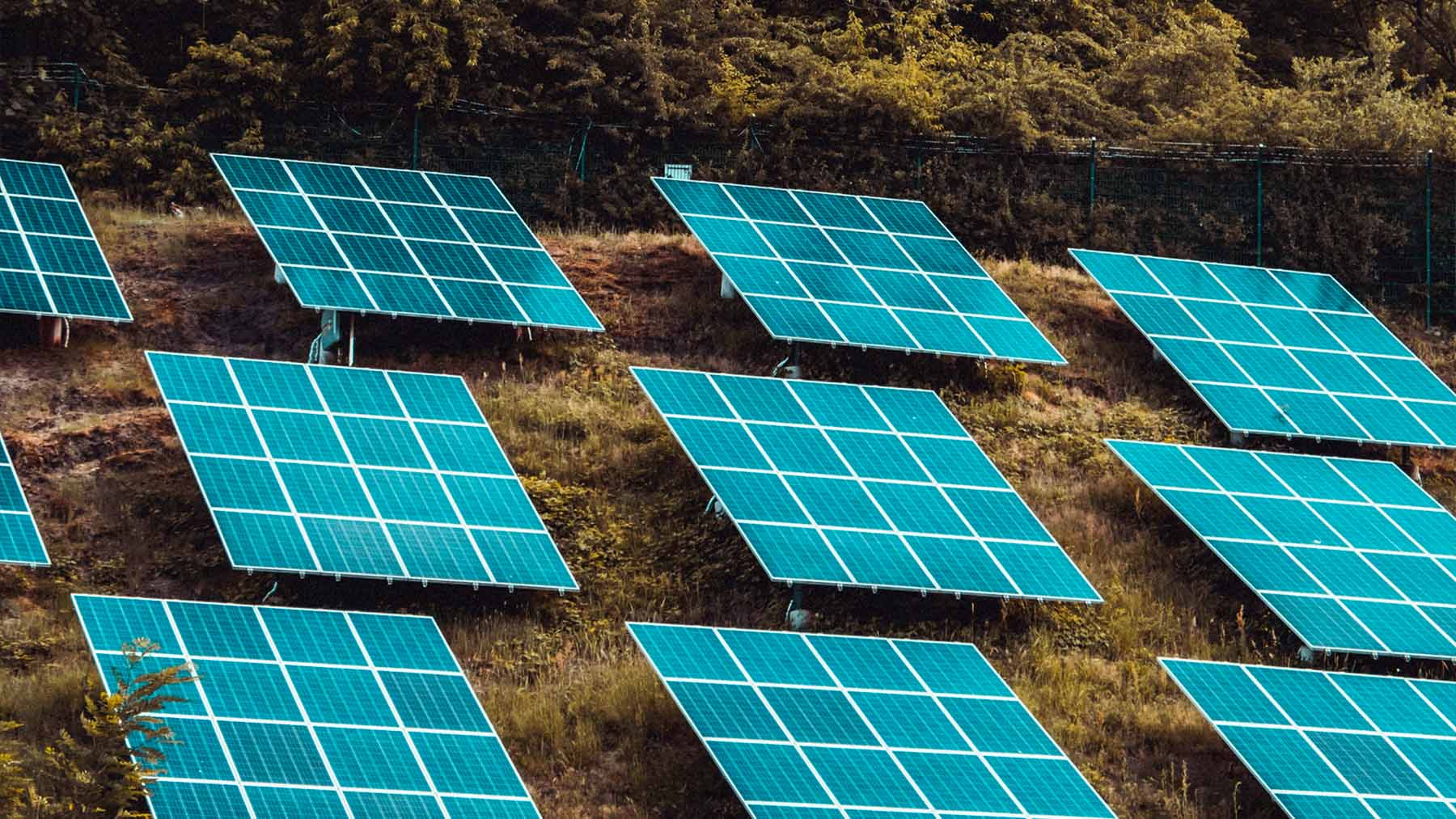
Innovative projects in New York State are combining clean solar production with active farming practices.
As energy demand rises across the United States, large-scale green power expansion has become vital.
Solar energy is key to this capacity growth, but it often sparks fierce debates over prime agricultural land.
Ultimately, by co-locating flexible panel layouts on active farmland, other regions can also scale solar power while conserving agricultural practices.
Fortunately, developers are actively advancing agrivoltaics across New York State to resolve this conflict.
But can installing photovoltaic arrays above cropland impact yields?
How utility-scale expansion of solar power is vital for modern demands
The United States is experiencing an electricity demand surge reaching all-time highs.
National power consumption is expected to increase even more as AI data centers rapidly expand.
By 2030, U.S. data centers are projected to account for up to 9% of total power usage.
This unprecedented surge is placing immense pressure on regional transmission networks nationwide.
New York State is a prime example.
During the recent summer heatwaves, electricity demand peaked at nearly 32 gigawatts. This placed heavy stress on the grid.
At this rate, grid planners expect digital infrastructure to drive more than 10 terawatt-hours of new power needs through 2030.
That is why the state has turned to aggressive expansion of its clean energy footprint.
Solar generation, in particular, has been fundamental in this green shift, with installed capacity recently surpassing 6 gigawatts.
But to keep up with the growth of electricity demand, photovoltaic deployment must significantly accelerate.
This unlocks spatial challenges.
When land competition requires more innovative solutions
The outlook for American solar is becoming bleaker due to siting constraints.
Beyond this, the sector also has longstanding competition with the agricultural sector.
The scale at which photovoltaics must expand to meet aggressive clean energy needs requires vast land footprints.
Additionally, the land best suited for large-scale projects must be large, cleared, and relatively flat.
Unfortunately, active farmland or prime agricultural soil often falls into this category.
As a result, fierce competition between rural communities and energy developers is triggered.
This is due to concerns over lost food production, disrupted rural landscapes, and reduced tax bases.
Fortunately, state agencies are stepping in with dual-use strategies to resolve the intensifying land-use conflict.
NYSERDA, for example, launched the Sun and Soil Program to address spatial bottlenecks.
Competitive research grants help fund demonstration projects across New York State that co-locate solar panels with active farming operations.
An Orange County project demonstrates the impacts of panels on hay fields.
Co-locating farming practices in Orange County
Installing solar panels either above or near farm fields can have notable positive effects.
Developer Lightstar Renewables’ 3.2-megawatt agrivoltaic facility demonstrates this.
The facility was built on an active hay pasture along Plains Road in the Town of Montgomery.
Its total installed capacity is 3,200 kilowatts.
The facility layout was specifically designed to accommodate local farming operations.
Widening the spacing between the photovoltaic array rows
Standard tractor equipment can continue harvesting hay thanks to additional spacing.
The wider panel spacing also created 1 to 2 acres of land dedicated to vegetable production for local farmers.
Furthermore, the panels create partial shade that lowers water evaporation.
The shade also protects specialty crops against the extreme summer heat.
Property owners benefit from dual revenue streams generated by this agrivoltaic project while maintaining full local farmland operations.
The Orange County agrivoltaic project was completed in 2024 and remains fully operational.
It has been supplying carbon-free power directly to the regional grid since then, boosting local grid reliability during peak demand.
The project’s operational success provides a vital blueprint for similar prospective large-scale developments.
Agrivoltaics is now growing as a strategic approach across the country.
Ultimately, by co-locating flexible panel layouts on active farmland, other regions can also scale solar power while conserving agricultural practices.
Anke Maree is a writer with a clear and engaging editorial style. Her work focuses on making complex topics accessible, informative, and relevant for readers across different areas of interest.
