
The world has seen the energy market transitioning in recent years, with calls to diversify output through a litany of renewable energy projects. The generational reliance on gas and oil has led to the disastrous state of the planet’s environment. Some forward-thinking nations have opted for solar or hydrogen-based energy generation, but several countries prefer the renewable energy provided by wind. New Zealand is one such nation that has opted to develop its renewable energy market through several wind energy projects.
New Zealand’s latest energy venture has reached a critical juncture
The nation has been contemplating the most viable energy projects that will strengthen output and reduce emissions while supplying Kiwis with the necessary energy needed for everyday life. The nation is small by comparison to its Australian neighbor, which means that energy projects, which often take up vast amounts of land, need to be carefully considered through a pragmatic approach from the relevant authorities.
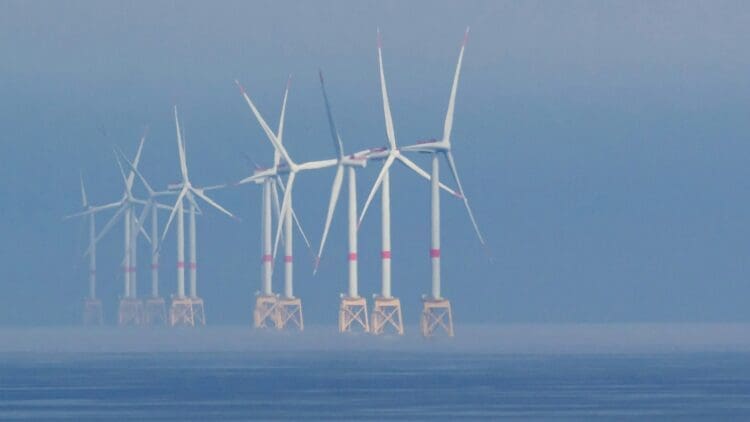
The government has noted that the Kaiwaikawe wind project is heading towards a critical juncture. The project will boost the nation’s renewable energy output through 12 Vestas-supplied wind turbines and is being developed by local energy utility Mercury. The firm noted that the expected costs of the project are astronomical, reaching upwards of $164.5 million.

New Zealand is a nation known for its adaptability and pragmatic thinking
New Zealand is no stranger to making significant changes to reflect domestic sentiments. This not only applies to the energy market, but the overall socioeconomic status of the nation. When a mass shooting took place a few years ago, the government implemented a new law banning assault rifles, which was met with praise from the population and the international community as well.
The progress on the Kaiwaikawe wind project marks a new future for energy generation in New Zealand
The astonishing progress that New Zealand has made in advancing the renewable energy market is a sight to behold. In 2024, renewables accounted for the vast majority of the nation’s energy output. The latest addition to its already impressive renewable energy portfolio is the Kaiwaikawe wind project being developed by local energy utility Mercury.
The 12 Vestas wind turbines will generate upwards of 221 GWh of clean, renewable electricity over a one-year period, which Mercury states is enough to power up to 27,000 Kiwi homes. With construction kicking off at the beginning of the year, the project is targeting a mid-2026 completion date. Denmark’s Vestas Wind Systems has confirmed the wind turbine order, which will be the first of its kind operating in the nation.
The Kaiwaikawe wind project is one of several renewable energy developments from Mercury
The firm has noted that the wind project forms part of a broader renewable energy drive undertaken. Mercury is targeting the expansion of its Nga Tamariki geothermal power station, as well as the expansion of the existing Kaiwera Downs wind farm. As Australia develops new solar energy technology, New Zealand is aiming to increase its reliance on wind power.
With a new year comes a wave of new possibilities for clean energy generation
2026 is set to see the continuation of a wave of new renewable energy projects that will inevitably drive the market away from conventional oil and gas production. The new year will bring with it a new surge in wind energy projects all around the world, with Europe in particular welcoming the wind power market with open arms. Germany’s Firrel II wind project is set to commence operations in 2026, exemplifying the progress made by the international energy market in adopting the renewable energy sector. The future of our species depends on whether we can smoothly transition to renewable energy.