
While the pattern of Nigerian energy stories may appear repetitive (more promises from Nigeria, less progress by Nigeria), this particular story has a distinctly different tone. As a result of this story having the same main actors but a more understandable narrative line, greater expectations, and a more solid foundation to base those expectations upon, what will be different for the Nigerian people?
Why this partnership matters right now
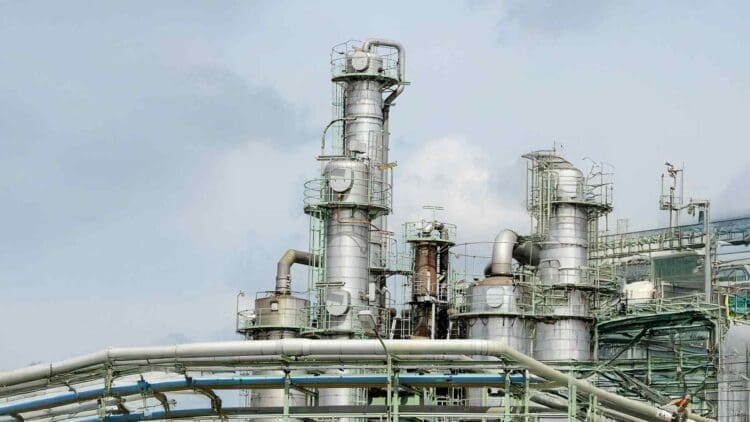
A meeting took place at the Dangote Refinery in Ibeju-Lekki, Lagos, between leadership from NNPC Ltd. and representatives from the Dangote Group to reaffirm a strategic partnership to establish new ways in which the two companies would operate. The meeting had a tangible outcome, and the intent of both companies was clear: to demonstrate how two different entities can cooperate to develop mutually beneficial agreements in making supply chain decisions and setting prices so that one entity does not have to take the burden of either.
As stated in the plans of the two companies, the new structure allows them to identify all of the initiatives they are currently undertaking and provides them with the ability to act more definitively in the areas that are critical to their success (i.e., procurement, scheduling, market response).



The impetus for this initiative is also a function of recent clarity around the area of policy. The government of Nigeria has established a more favorable climate for investment by implementing policies that have encouraged investors to return to the table and engage in partnerships. Specifically, the policy changes have provided the opportunity for entities to enter into partnerships that reduce duplication and allow them to focus their efforts on developing domestic refining capacity. It is this quiet trend that has led to the renewed partnership between the two companies.
What makes this partnership different?
The size of the refinery also presents an opportunity to see the stakes involved. In terms of 650,000 barrels per day, this is Africa’s biggest single train refinery. While the size of the refinery may be thought of as simply adding capacity, it serves as a focus point for making decisions, which increases both the risk associated with a successful implementation and/or the potential consequences of a failed implementation. A partnership that can agree on its direction/strategy will have benefits; however, a potential source of tension exists when a partnership cannot agree.
In today’s climate, alignment translates into ownership. NNPC Ltd. owns 7.25% of the refinery through its equity interest. Although small on paper, strategically important – NNPC Ltd.’s ownership ties the country’s energy goals to the day-to-day operation of the refinery and promotes shared incentive to overcome obstacles.
Politics also influence the decision to collaborate as opposed to competing: fewer duplicate assets, more shared infrastructure, and a more direct route to establishing stability in the supply of domestically produced petroleum products. This is the underlying driver for the bolder declarations from both parties.
What will the change be?
The key benefit will come from joint work streams to create synergies among our asset, infrastructure, capital, and market capabilities to grow in three areas:
- Upstream Sourcing (crude oil and natural gas).
- Crude and products trading.
- Shipping and gas supply.
We will have fewer barriers from wellhead to vessel to refinery to forecourt, and we will make decisions faster because we will all be at the same table.
Both sides are in agreement that the end-beneficiaries of this partnership will be both consumers and the entire oil and gas industry (not just shareholders) through scale efficiencies. This will assist in providing a stable supply chain of refined petroleum products and developing the potential to grow value-added economic activities within Nigeria. If the partnership continues to execute according to plan, Nigeria will become increasingly confident in its ability to produce its own energy.

