
Nord Stream 2 AG files suit in EU court to annul bloc’s binding ban on Russian gas imports
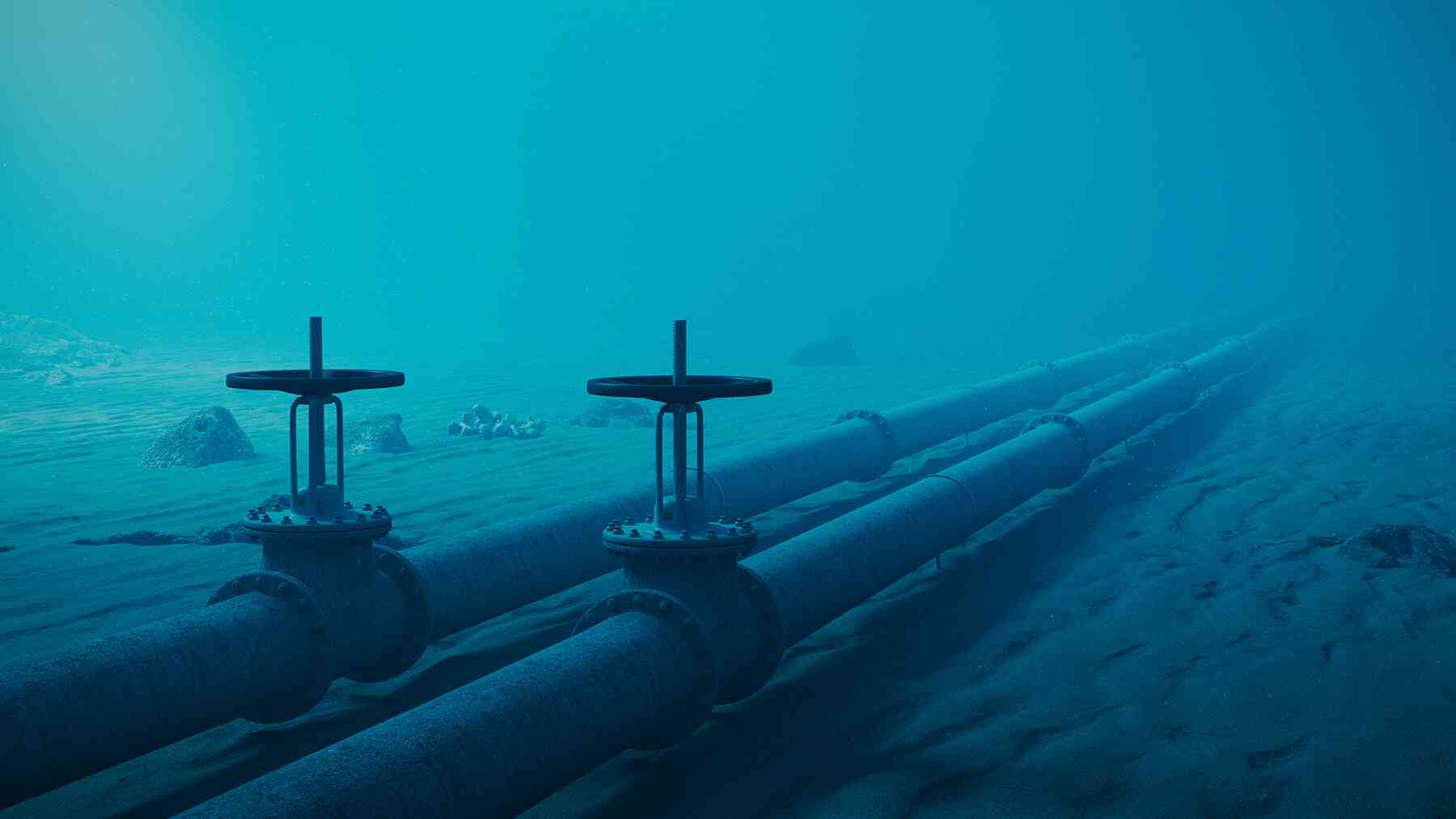 AI-made
Nord Stream 2 AG, the Swiss-based, Gazprom-owned entity behind the never-operated Nord Stream 2 pipeline, has filed a lawsuit before the European Union General Court seeking to overturn the European Union’s binding ban on Russian gas imports. The suit was brought on April 27 and published in the EU’s official journal in June 2026.
The EU regulation in question requires a full phase-out of Russian gas imports by late 2027 — a measure that would permanently close the door on any commercial revival of the Nord Stream system.
Nord Stream 2 AG files legal challenge against EU gas ban
The lawsuit was filed on April 27 and appeared in the EU’s official journal in June. Nord Stream 2 AG — the Swiss-based company wholly owned by Russia’s state-controlled Gazprom — is asking the EU’s General Court to annul the regulation mandating a complete phase-out of Russian gas imports by late 2027.
The EU approved the gas ban in 2025 through a reinforced majority vote — a mechanism allowing legislation to pass without full consensus among member states.
The suit names the European Parliament and the Council of the EU as defendants. Spokespeople for both institutions declined to comment when approached by reporters.
Company’s legal arguments: expropriation and wrong legal basis
The case rests on two distinct legal arguments. The first concerns property rights. Nord Stream 2 AG contends that the regulation effectively strips it of any ability to use the pipeline commercially — an outcome it characterizes as de facto expropriation without compensation.
“The applicant submits that the regulation effectively deprives it of the opportunity to use its pipeline commercially. That constitutes de facto expropriation without providing for any compensation,” the lawsuit states.
The second argument targets the procedural basis on which the EU passed the law. Nord Stream 2 AG argues the gas ban functions as a sanction-like measure, and under EU law, sanctions require unanimous approval from all member states—a higher bar than the reinforced majority vote actually used to pass the regulation. That distinction carries real legal weight.
The lawsuit frames the wrong legal basis not as a technicality but as a fundamental flaw. “The choice of an incorrect legal basis renders the regulation null and void,” the filing states. If the court accepts this reasoning, the entire regulation could be invalidated regardless of its policy merits.
How the EU passed its Russian gas ban and what it means for imports
The EU approved the gas ban in 2025 through a reinforced majority vote — a mechanism allowing legislation to pass without full consensus among member states. The approach was deliberately chosen to work around firm opposition from Hungary and Slovakia, both of which have resisted the bloc’s broader push to sever energy ties with Moscow.
The regulation sets a hard deadline: all Russian gas imports must be phased out by late 2027. Before Russia’s 2022 invasion of Ukraine, Russian gas accounted for roughly 40 percent of the EU’s total gas imports. By last year, that figure had fallen to around 13 percent — a sharp reduction achieved through emergency policy measures, new liquefied natural gas supply contracts, and reduced overall demand. The 2027 deadline is designed to eliminate what remains.
Background: The Nord Stream pipelines and the 2022 explosions
Nord Stream 2 was completed in 2021 but never carried any gas commercially. Germany suspended the certification process just days before Russia launched its full-scale invasion of Ukraine in February 2022, shelving the project before it could begin operations.
Then, in August 2022, explosions damaged both Nord Stream 1 and Nord Stream 2 beneath the Baltic Sea. The four pipes had been designed together to carry up to 3.88 trillion cubic feet of gas annually to Germany. Nord Stream 1 had been operating and delivering gas to Germany for more than a decade before the blasts—a detail that makes the sabotage’s scale easier to grasp.
Russia has accused Ukraine of being responsible for the explosions; Kyiv has denied any involvement. The incident remains one of the most consequential acts of infrastructure sabotage in recent European history, and its full circumstances have not been publicly resolved. Of the four pipeline segments, only one — part of Nord Stream 2 — remained structurally intact after the blasts. Russian President Vladimir Putin said this month that it could resume pumping gas “tomorrow,” a statement that underscores Moscow’s continued interest in restoring some form of energy leverage over Europe.
The EU will have to decide
Nord Stream 2 AG’s lawsuit is an unusual legal move: a Gazprom-owned entity using EU courts to challenge a regulation the bloc passed specifically to end its dependence on Russian energy. The case turns on whether the ban amounts to uncompensated expropriation and whether the EU chose the wrong legal procedure to enact it.
The EU’s General Court will now have to decide whether those arguments have merit. The 2027 phase-out deadline remains in force in the meantime. EU imports of Russian gas have already dropped sharply since 2022 — from around 40 percent of total supply to roughly 13 percent last year. The lawsuit does not pause that trajectory, but a ruling in Nord Stream 2 AG’s favor could complicate the legal foundation on which the ban rests.
Kelly is an experienced writer with 15 years of experience exploring the big stories that shape our world, from tech breakthroughs and space exploration to climate, energy, and the fascinating quirks of science. She has a talent for turning complex ideas into sharp, memorable insights that stay with readers long after they’ve finished reading.
