As the new year progresses, several energy companies have outlined their significant expansion plans for the year ahead. India has seen Numaligarh Refinery Limited recently announce that it has targeted a year-end completion of the ambitious refinery expansion project, as well as the Paradip–Numaligarh Crude Oil Pipeline and the Crude Oil Import Terminal. The integrated expansion led by the refinery marks a significant milestone in boosting regional energy infrastructure this year.
Can India foster a new year loaded with downstream potential to meet demand?
India has one of the largest populations in the world, and regularly needs to increase the output capacity of energy resources to meet the ever-present and increasing demand for energy from the populace.
To facilitate growth, the Indian government recently launched a licensing round for oil and gas developments, which has become a necessity to attract interest in the nation’s energy sector and alleviate concerns over insufficient supply. The nation has been working diligently to create a more welcoming environment for energy companies and has provided the necessary regulatory approval for a plethora of new and planned developments.


Can NRL meet its self-imposed target of a December completion for the refinery expansion?
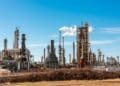
As the global population grows, more investments in energy production have become a necessity. The plan for the Numaligarh Refinery, according to NRL, is to increase the refinery output over the coming year as well as construct a new import pipeline for any additional imports of crude and natural gas from outside the nation.
What exactly does NRL have planned for the refinery expansion at Paradip?
Numaligarh Refinery Limited has recently stated its lofty ambition of expanding the refinery from three MMTPA to nine MMTPA, effectively tripling the refining capacity at the Paradip refinery. The natural gas sector has been growing across the world as it serves as a great alternative to oil, while keeping emissions at a much lower level than conventional energy production.
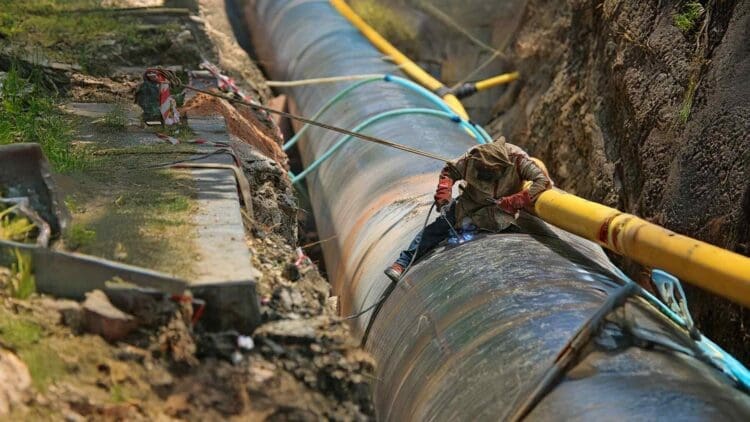
Along with the tripling of refining capacity at the Paradip refinery, NRL has also outlined its plans to construct a 1015-mile crude oil pipeline from Paradip Port to Numaligarh in Assam. NRL has set a target to complete the refinery upgrades and the crude oil pipeline by the end of the year.
NRL has also detailed the plans for a new crude oil import terminal
In addition to the refinery expansion, NRL is also planning to construct a new crude oil import terminal at Paradip. The proposed facility will enhance India’s crude handling capabilities and streamline imports of the essential energy resource.
NRL is hoping to replicate the success of the Pachpadra mega-refinery and petrochemical complex, which has made significant progress recently. Furthermore, NRL has already commissioned its second-generation biorefinery, which not only exemplifies the company’s expertise but also aligns with the government’s clean energy and biofuel production goals.
Expanding energy production and increasing import opportunities for India have become a top priority for the nation as demand for energy increases annually. One imagines that without the significant efforts of NRL, India might struggle to meet demand over the coming years.
June 2026 will see a significant mandate coming into effect in India
As the need for increased energy production becomes a reality in India, the nation is heading towards a major mandate this year, which will affect the energy industry profoundly. As of June 2026, all solar panels used in India need to be purchased from a domestic manufacturer. This, along with HRL’s plans for the Paradip refinery and crude import terminal, exemplifies the government’s understanding of increasing energy production and fostering a circular energy sector that can meet demand over the coming years.