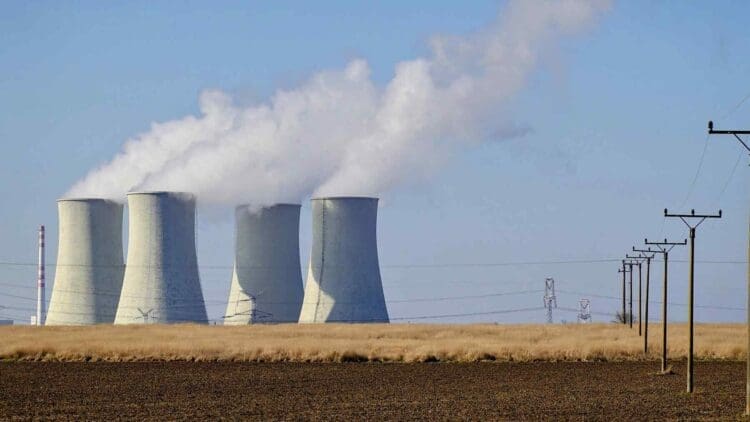

NuScale is one of the companies that has found itself involved in more than one large-scale project in 2026. The United States is comfortably the leading nation when it comes to nuclear production, meaning it does not need to put too much effort into maintaining its position. Amid all the questions surrounding reactors, NuScale decided to highlight the role of its small modular reactor technology in supplying dependable industrial nuclear energy.
The emergence of small modular reactors in the nuclear energy sector
Small modular reactors are quickly becoming a transformative, lower-cost nuclear technology with capabilities that previous reactors could not manage. For instance, the SMRs offer capacities of up to 300 MWe per module. This makes them able to address the high costs in construction and explains why so many companies are investing heavily in them.
Some of the advantages of SMRs include their compact design, which makes them shippable. Additionally, they do not require active control or human intervention to shut down safely, which makes them a better option. Traditional power plants established the foundation for nuclear initiatives, but just like any other sector, the energy industry has evolved.


U.S.-based company NuScale Power recently highlighted how its SMR technology could supply dependable electricity and high-temperature steam to energy-intensive industries such as chemical manufacturing. For a company to make this claim is important within the modern-day energy landscape because there are many industries in need of dependable electricity.
Reviewing how nuclear energy manages the industrial demands in America
The world is making a concerted effort to reduce carbon emissions by cutting the use of fossil fuels. As a result, many nuclear companies are preparing or positioning themselves to provide reliable power as demand continues to surge. SMRs are regarded as the ideal solution capable of providing continuous, carbon-free power.
Scientific experts have long established that industrial sectors such as chemical production depend greatly on two energy inputs. These are, namely, electricity and process steam. This leads one to question how exactly these requirements have been met before the emergence of SMRs.
From a conventional perspective, these needs have been met through natural gas boilers or traditional fossil-fuel power sources. The reason why these have now been deemed inappropriate is that they expose plants to fuel price unpredictability and emissions concerns.
NuScale Power partners with Oak Ridge National Laboratory
One of the latest interesting developments is the widely covered partnership between NuScale Power and Oak Ridge. The two firms concluded that integrating the reactor technology into a chemical facility might provide both energy sources in a reliable and economically viable way.
The findings are likely accurate because experts examined real chemical plant operating data and compared nuclear-powered systems with conventional natural-gas-based alternatives before reaching their conclusions.
A brief overview of the flexibility of small modular reactors
One of the unique characteristics of SMR technology is its modular architecture. This means that instead of building one large nuclear reactor, multiple smaller modules can be installed together. Reports suggest that each module in NuScale’s system can produce about 77 megawatts of electricity and around 250 megawatts of thermal energy.
When numerous units are combined into plants, they will result in a total capacity of up to 924 megawatts. This modular structure is one that provides flexibility for industrial facilities. For instance, configurations with four reactor modules can meet the basic energy requirements of a chemical plant.
On the contrary, larger installations that have eight or up to twelve modules can generate excess electricity for the grid.
NuScale may have discovered something that many other companies have tried and failed to do. As such, the company might find itself in the middle of many initiatives until there are other similar firms capable of providing the same resources.