
Oregon weighs plans for a 488-MW wind farm and matching battery system across 11,500 acres of farmland
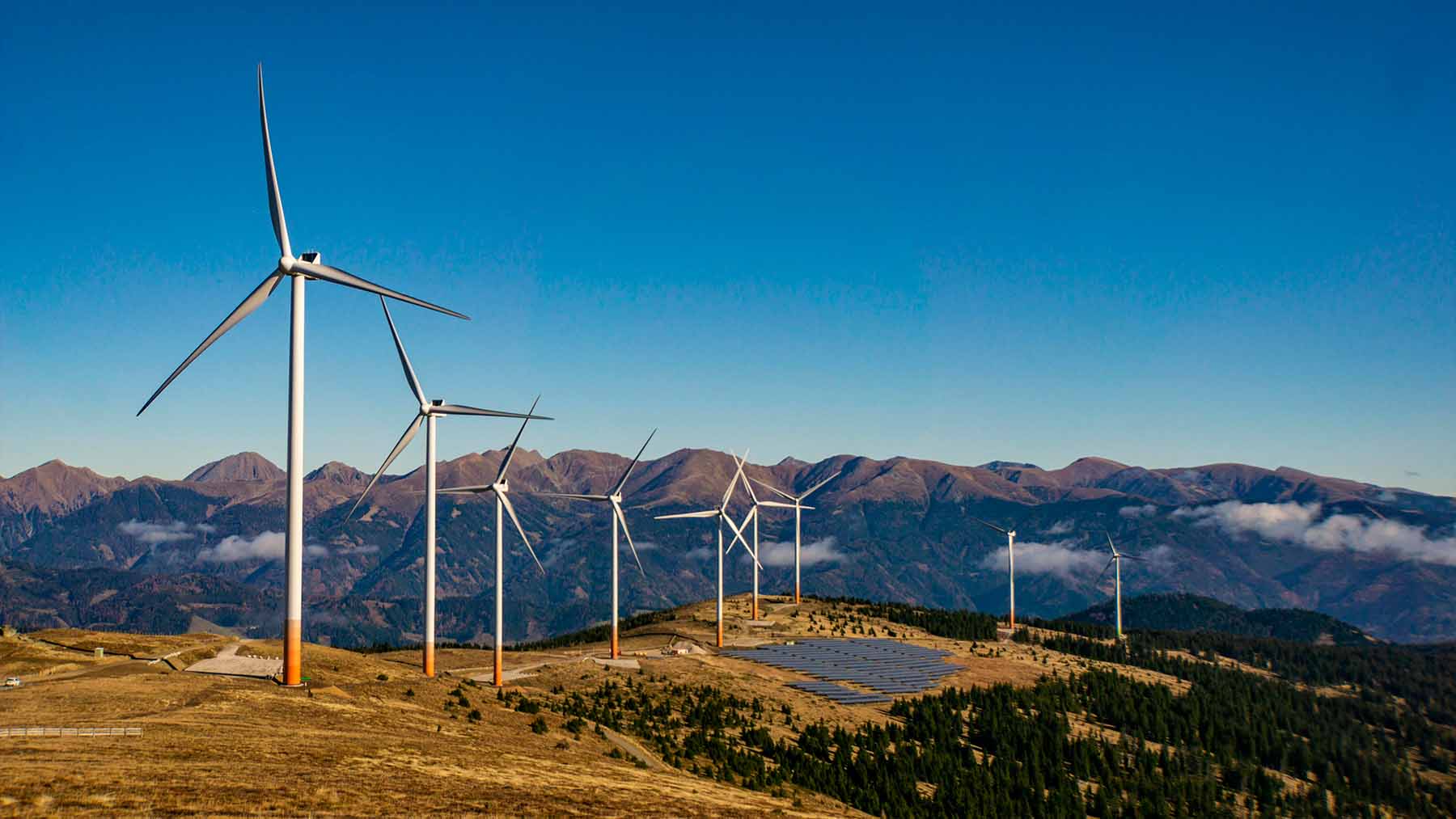
Gilliam County’s high desert stretches wide and windswept across northeastern Oregon, where cattle have grazed working farmland for generations. Now, the same open terrain that shaped this landscape is drawing a different kind of attention.
Brookfield Renewable is proposing to build up to 70 wind turbines across roughly 11,500 acres here, paired with a battery storage system designed to keep power flowing when the wind eases. The project would generate up to 488 megawatts — enough to leave a mark on the region’s grid for decades. Oregon regulators are actively reviewing the proposal, and the outcome is far from settled.
A second chance for Saddle Butte
The Saddle Butte name isn’t new to Oregon energy circles. A previous project — developed by Saddle Butte Wind, LLC, a subsidiary of Caithness Corporation — received a site certificate for up to 133 turbines and 399 MW across roughly 13,500 acres in Gilliam and Morrow counties. That certificate was terminated in November 2019 after the developer didn’t move forward.
Field surveys across the site were completed in fall 2025, and outreach to local Tribes is ongoing — some have already engaged and participated in completed surveys.
Brookfield Renewable N.A. revived the concept with one meaningful change: it shifted the footprint approximately 15 miles northwest. The new location sits directly adjacent to an existing BPA 500 kV transmission line and a new substation — a positioning that removes the need to build new transmission infrastructure entirely, cutting both landscape disruption and development cost. The formal restart came on December 12, 2025, when Brookfield submitted a Notice of Intent to the Oregon Department of Energy.
What exactly is being proposed
The project would occupy approximately 11,500 to 12,000 acres of privately owned farmland, leased from local landowners under long-term agreements. Up to 70 wind turbines would be installed across that footprint, capable of generating as much as 488 MW of electricity.
The battery energy storage system adds real reliability. Rather than letting excess generation go unused, the BESS captures it and dispatches power during peak demand or when the wind drops — flexibility that’s increasingly valuable as grids absorb more variable renewable energy. Power from the facility would feed into the grid through a nearby Bonneville Power Administration substation, flowing throughout Oregon and the broader Pacific Northwest.
Life on the land: Farming, grazing, and turbines side by side
One of the more practical questions for any large-scale wind project is what happens to the land beneath it. Here, the answer is straightforward: agricultural and grazing activities are explicitly planned to continue around the installed turbines, battery systems, and substations. The turbines go up; the cattle don’t leave.
Lease income gives rural landowners a stable financial anchor — a meaningful supplement to the unpredictable returns of farming. Brookfield has also stated its intent to use union labor during construction, drawing on electricians, ironworkers, laborers, and other skilled trades. Gilliam County’s permitting process requires a formal review of socioeconomic impacts, covering local employment and effects on the county’s tax base — both areas where large energy projects can deliver lasting benefit to small rural communities.
Wildlife, culture, and the questions regulators are asking
Gilliam County’s high desert supports more than cattle. State-listed and candidate wildlife species are present in the project area, and a small portion of the site falls within modeled big game winter range. Brookfield is conducting field surveys in coordination with the Oregon Department of Fish and Wildlife, using ODFW-approved methods, and has committed to designing the project to avoid, minimize, and, where necessary, mitigate wildlife impacts.
Cultural resources are also under review. Field surveys across the site were completed in fall 2025, and outreach to local Tribes is ongoing — some have already engaged and participated in completed surveys. Noise and wildfire risk round out the additional review requirements under Gilliam County permitting. Emergency response plans will be developed with local fire departments, and the project will incorporate access routes for emergency vehicles.
Where the project stands — and what comes next
Oregon Department of Energy – Saddle Butte issued a Project Order on May 1, 2026. From that point, Brookfield has two years to submit a preliminary Application for Site Certificate. A public informational meeting was held in Condon, Oregon, on January 13, 2026, with materials and a recording made available online.
If permitting proceeds on schedule, construction could begin in 2027, with commercial operation targeted for 2029. Wind farms typically operate for around 30 years — meaning the decisions made during this review will shape Gilliam County’s landscape well into the 2050s.
The regulatory path ahead still involves public comment periods, agency reviews, and county approvals. Each step gives landowners, residents, and Tribal nations another chance to weigh in. What emerges will signal something broader: how Oregon balances clean-energy ambition with the realities of working land and rural community life.
Kelly is an experienced writer with 15 years of experience exploring the big stories that shape our world, from tech breakthroughs and space exploration to climate, energy, and the fascinating quirks of science. She has a talent for turning complex ideas into sharp, memorable insights that stay with readers long after they’ve finished reading.
