
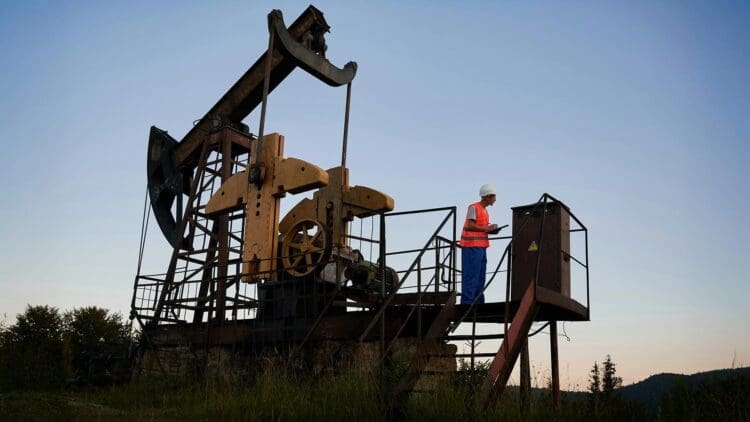
Poland has become the latest European nation to expand its natural gas production capacity. Orlen, a major upstream energy company in Europe, has recently begun operations in the Różańsko field, adding significant upstream production volumes to the company’s energy portfolio this year. Orlen has been working diligently in the shadows of the more lucrative energy companies in Europe to advance its status as a major energy resource supplier on the continent.
Poland: A new player in the European energy market in 2026
Poland has been waiting patiently to reveal its new potential for upstream energy production as the world enters a new era of upstream diversification. With 2025 bringing the decarbonization and diversification needs of the energy industry into focus, Poland and Orlen have opened a new door to substantial upstream production, thanks in part to the Różańsko field development.
According to Orlen, the Różańsko field development is expected to add up to 130 mcm of natural gas annually to Poland’s domestic gas market. With the latest trend of companies allowing outside operators to handle projects, Orlen is taking a far more concentrated approach to domestic energy production in Europe.

Orlen will operate the Różańsko field for twenty years at the very least, in which the Polish economy is set to grow significantly as demand for natural gas increases. The natural gas produced from the Różańsko field will mostly supply the needs of heat and power plants in Kostrzyn nad Odrą and Gorzów Wielkopolski.
Poland’s energy needs are changing as clean energy becomes the newest trend
Poland relied on coal for the majority of its energy needs last year, with data revealing that the coal sector provided 51% of the electricity produced in Poland last year. The new opportunity for upstream growth in the Różańsko field has positioned Poland at the forefront of the expanding European energy industry this year and potentially into the future as well.
Can Orlen provide the necessary upstream infrastructure in Poland?
The development of the Różańsko field requires Orlen to upgrade three existing production wells, as well as invest heavily in energy infrastructure in Poland, such as the construction of a new pipeline linking the Różańsko field to one of Poland’s largest production complexes, the Dębno Oil and Gas Extraction Facility.
The aforementioned facility has recently been expanded to include an 8 MW cogeneration unit, which is fueled by neighboring fields, with the excess power diverted to the national grid. The expansion of the Dębno Oil and Gas Extraction Facility has also provided the much-needed increase in production at the nearby Cychry field.
Orlen’s Strategy 2035: An expansionary dream, or a reality for the European company
Orlen’s Strategy 2035 calls for the company to invest up to $107 billion to diversify its energy portfolio by the end of 2035. As Europe’s benchmark gas price recently climbed to its highest level in nearly two years, Orlen is aiming to leave the controversy of Orlengate behind and move towards a new era of increased energy resource production in Poland.
“Poland stands at the crossroads of important decisions on its energy system… more than 50 percent of currently installed capacity [is expected to retire].” — Agora Energiewende
2025 saw Orlen consolidate its status as an LNG supplier around the world
With the latest report from Gas Infrastructure Europe and ENTSOG revealing the gas network capacity in Europe, Orlen consolidated its position as a major LNG supplier to the global market. Last year, Orlen delivered more than 245 thousand tonnes of liquefied natural gas to customers. This substantial LNG delivery, along with the company’s plans for the Różańsko field in 2026, has positioned Orlen as the go-to oil and gas project developer in Central Europe.

