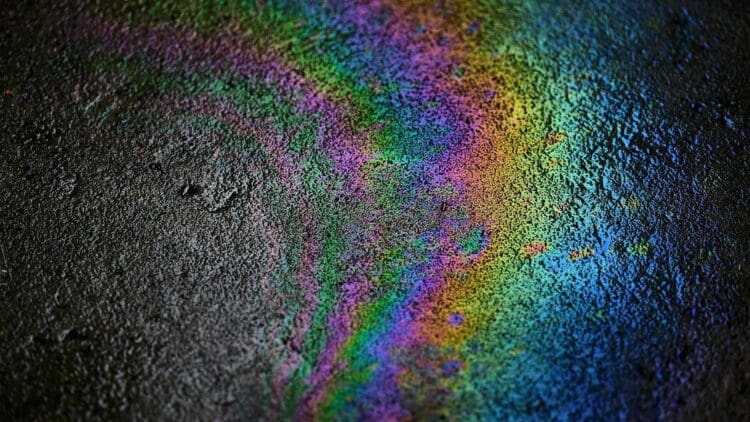

Early concerns by local government officials responsible for protecting coastal towns and fisherman due to initial reports of oil washing up on the coast of the Gulf Coast of Mexico were exacerbated when small tar patches were initially reported as large amounts of oil which caused Pemex (the owner of the rigs), and all other governmental agencies involved in responding to emergencies to join forces to develop a coordinated plan to address their responses.
Detection of the oil spills prompts a quick response
An environmental disaster can cause such a large reaction from all parties involved due to the loss of control of an oil rig located in offshore waters.
In late February/early March 2017, evidence of oil was found washed up on the shores of several cities along the southern Gulf Coast, primarily in portions of Veracruz and Tabasco. Local governments notified various government departments that have responsibility for ensuring safe navigation and environmental protection regarding the presence of oil. Pemex indicated that they began cooperating with the Mexican Navy (SEMAR), the Department of the Environment and Natural Resources, and several other regulatory agencies to determine if there was an ongoing flow of oil from some sort of pipeline rupture, or if this was simply a one-time release.


In addition to these actions, surveillance ships patrolled the coastline and used satellites to monitor the size of the spill, as well as analyze data related to the movement of the water currents. Further, specialized ships were brought in to deploy booms (floating barriers) and/or containment vessels in order to try to prevent additional amounts of oil from entering sensitive coastal ecosystems.
Containment of the oil spill offshore and cleaning up the oil onshore
Federal agencies and Pemex jointly released statements indicating that quick containment efforts offshore likely minimized the impact of the spill onshore. Cleanup crews were sent to beaches where the oil had already reached, while specialized ships remained in the suspected location of the spill.
On land, more than 200 workers were deployed along coastal areas in both states. Teams were tasked with manual removal of debris containing oil; collection of hydrocarbon-soaked debris; and transportation of all collected debris to designated holding facilities for disposal.
According to official reports, crews recovered dozens of tons of hydrocarbon-contaminated material throughout the first stage of clean-up efforts.
Questions remain about how the spill occurred
Though response efforts were initiated rapidly, determining how the spill occurred proved much more complicated. Federal agencies made cautionary comments before reaching conclusions based upon ongoing investigation, which included assessing if the oil came from a ship, a pipe rupturing underwater, or through some other means.
Later, President Claudia Sheinbaum announced she formed a multi-disciplinary team consisting of Pemex, Semar, and environmental agencies to establish the cause(s) of the spill and assess whether any active leaks existed. The lack of clarity about the origin of the spill created continued uncertainty within coastal communities regarding potential long-term damage to both people and ecosystems due to this spill. Federal authorities provided assurance that establishing responsibility would occur after all relevant technical assessments were completed, consistent with applicable environmental laws.
The complexity in the coordination of environmental disasters
The combination of responses clearly highlights the complexity involved when trying to coordinate an environmental disaster in a busy commercial shipping lane and area with many offshore oil-related activities. Pemex said they were able to quickly deploy their resources as well as the resources from their federal partners; thus, they could contain the immediate effects of the spill while still conducting long-term evaluations. Following completion of short-term cleanup efforts, assessment teams will begin evaluating the extent of potential long-term damage or ecosystem degradation with regard to their ability to assign liability.