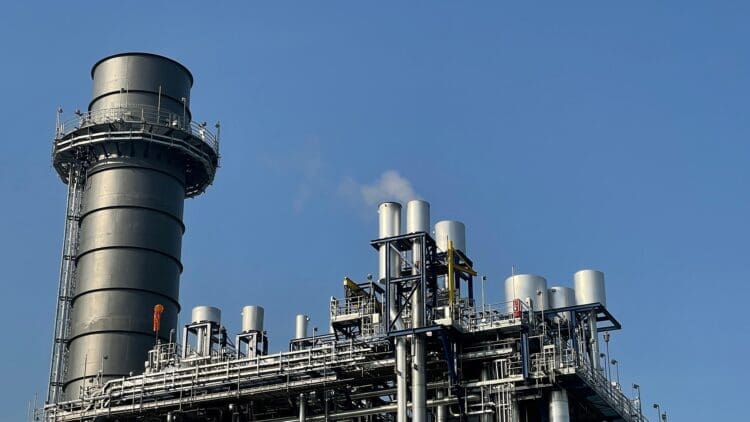

The South American downstream market has been bolstered by the news that Brazil’s state-owned energy company, Petrobras, has outlined a major investment program over the coming years to boost refining and petrochemical assets. Brazil, along with the vast majority of nations in the region, has vast amounts of natural resources just waiting to be discovered. The nation has been embroiled in one political scandal after another, which directly affects the energy market as it is a major contributor to the nation’s economy overall.
The growth of the downstream sector has reached nearly every corner of the planet
The significant growth of the conventional downstream sector has boosted several nations’ refining capacities over the years, and with Brazil aiming to increase its energy output from the downstream sector, a new approach was required to foster investment. Petrobras recently unveiled its latest investment program aimed at the nation’s refineries and petrochemical production.
With the latest commitment from Petrobras to invest heavily in Brazil’s refining capacity, the sentiment for traditional oil and gas production in the nation is set to reach a new level over the coming years. While the rest of the world is all jumping on board the renewable energy train, Brazil is aiming to take advantage of the significant natural resources it has stored away in abundance.


Substantial investments are needed to increase Brazil’s footprint in the global downstream sector
The aforementioned investment program will assist the Brazilian economy in getting back to full strength following a few years of stagnation. The influence of the energy market on Brazil’s economy can not be understated. The sheer size of the nation means that the energy market is a major contributor to the economy, and will continue to influence investments in the nation for years to come.
Petrobras announces new five-year investment plan for Brazilian downstream sector
The state-owned energy company has recently released its $109 billion five-year investment plan, which will be directed at the nation’s downstream refining and petrochemical sectors. The company notes that $91 billion of the total capital expenditure will be directed at projects under implementation, while $10 billion will still need budget confirmation from the company.
The new five-year investment plan will be closely watched by potential investors, as the energy market is a major source of funds for the Brazilian federal government. With the 2026 elections in Brazil dominating headlines, the situation is tense, and the investment plan from Petrobras can bring the temperature down a few notches if implemented properly.
Petrobras’ petrochemical ambitions have become as clear as day
The Rio de Janeiro-based company plans to invest a sizable portion of that investment plan into refinery upgrades and petrochemical production, which has become the latest trend to sweep across the international energy market in recent years, as evidenced by PetroChina signing off on a new petrochemical complex in Dalian.
Notalby, Petrobras has stated that it expects to spend at the very least $4 billion for the biofuels, biomethane, and ethanol production, marking a new era of petrochemical production in Brazil.
Increased investments in refining capacity are the path towards boosting downstream output
Brasil’s Petrobras’ five-year investment plan is exemplary of the global sentiment for the downstream sector. Other energy-rich nations have expressed similar investment ambitions for their own refineries, such as Bapco signing off on output increases in the Middle Eastern nation of Bahrain. The global calls to diversify the energy market over the coming years have led to several nations investing heavily in the renewable energy market, but Brazil’s plans are much closer to the traditional energy generation output from the downstream sector. The future of the Brazilian energy market will be determined by Pterobras’ five-year investment plan.