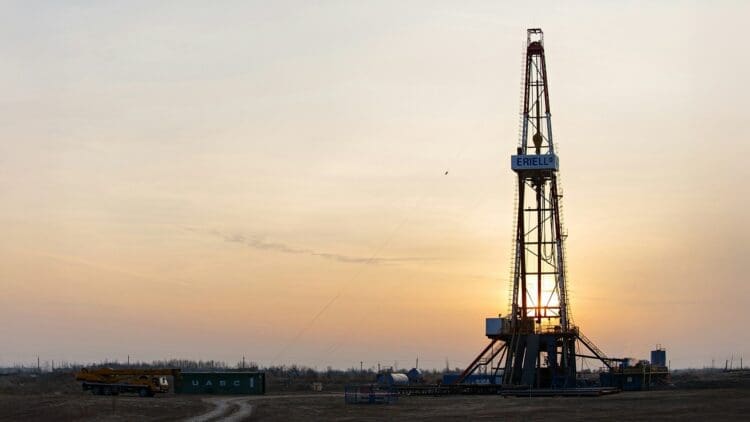

Suriname is a nation not known for its energy sector, but it recently announced that Petronas has completed drilling of the Caiman-1 exploration well. The expansion of the conventional upstream market has reached into every nook and cranny of the international energy market. Several regions of the world have noted new developments that strengthen the already dominating status of the oil and gas market. Asia and the United States have been major drivers for the upstream market, but recent developments in South America have seen the market shifting.
The Petronas Suriname exploration and drilling campaign has begun to produce results
South America has been embroiled in the latest geopolitical tensions that have seen the United States ramping up the pressure on Venezuela to oust the current President and his administration. The US military recently boarded an oil ship operating in the region, stating it is conducting illegal operations that fund narco-terrorism, but no official proof has been given.
Despite the overwhelming political issues in the region, Suriname is advancing with its upstream exploration efforts. Petronas Suriname recently announced that it has completed the drilling of the Caiman-1 well in Block 52. The well was spudded in July of this year and safely plugged in early December, marking significant progress in the South American nation’s energy generation ambitions for the new year.

The Caiman-1 well is only the first in a long line of drilling projects led by Petronas
The well is one of four that form part of the Petronas Suriname drilling and exploration campaign. The company has big plans to increase the domestic refining capacity of Suriname through its program for 2025-26. Drilling activities were supported by the local workforce and infrastructure on the coast, further adding to the beneficial nature of the project that aims to commission a new oil and gas future in Block 52.
Staatsolie has noted the substantial progress of Suriname’s exploration plans
The state-owned oil and gas company has noted that Block 52 spans approximately 4,750 square kilometers, which lies roughly 140 km from the Suriname coast. The drilling and exploration efforts were led by the ports near Paramaribo, and saw workers for the project being transported to and fro from the coast, serving the local workforce and developing opportunities for local operators.
“This marks a key milestone in Petronas Suriname’s exploration and appraisal drilling programme, aimed at further delineating resources and assessing development concepts towards a commercial project in Block 52.” – Staatsolie, Suriname’s state-owned oil and gas company
The development in Suriname comes after the country’s neighbor to the North has been expanding oil and gas production. The United States has been on a new energy surge in recent months, led by the current administration’s directive that calls for increased output capacity in the US gas and oil market. This has seen some of the largest energy companies anywhere in the world increase spending in upstream developments.
Petronas and Staatsolie declared the commercial viability for the Sloanea field in Block 52 last month, and Petronas has stated that it entered into a production sharing contract for Block 52 over ten years ago.
Increased spending on drilling and exploration on the American continent has become all too common
Petronas Suriname’s exploration and drilling campaign exemplifies the current trend emerging on the American continent. Both South and North America are developing new exploration wells that position the continent as the major driver for a market that has seen overwhelming calls to diversify. The United States has seen some of the largest and most influential energy companies in the world increasing investments in the upstream sector. BP has recently given the go-ahead for a new development in the Gulf of Mexico.