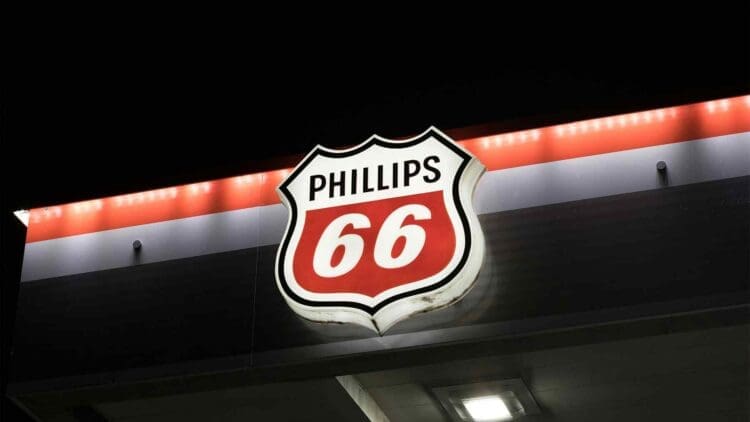

Once large-scale energy integration is initiated, energy delivery and movement appear to be an almost continuous process. Pipelines operate as designed, fractionation occurs at full capacity, and markets function normally. However, underlying this apparent normalcy, significant changes in a company’s value chain occur to minimize inefficiencies (friction), provide options (optionality), and ultimately ensure future profitability. The current developments in Phillips 66’s Coastal Bend assets represent one such example.
A benchmark showing what is possible beyond scale
Phillips 66 completed its Coastal Bend project after successfully integrating the previously independent EPIC NGL business into its midstream segment. With the successful integration of the former EPIC NGL business into its midstream segment, Phillips 66 has enhanced its connectivity between upstream supply sources and downstream demand.
While the integration was centered on the integration of pipelines, additional fractionation capacity, and additional digital platforms, it illustrates the company’s intent to integrate all elements of each asset into a cohesive operating platform.


With the completion of the Coastal Bend project, Phillips 66 has created an integrated pipeline network that links numerous upstream production areas such as the Permian Basin and Eagle Ford to a number of downstream locations such as Gulf Coast refiners, petrochemical plants, and export facilities. Rather than growing outward, Phillips 66 is creating new efficiencies within its existing footprint.
What does today’s integration mean?
When there is an abundance of capacity in a fragmented system, it typically functions well. It is during times of increased volumes, changing market conditions, and when flexibility dictates margin, that integration provides more value. The Coastal Bend project consists of nearly 885 miles of NGL pipeline and over 350 miles of purity products distribution located adjacent to two fractionators with a combined capacity of 170,000 bpd.
By combining the physical aspects of the assets with their respective management structures, Phillips 66 can route NGLs toward the highest valued use, either domestically or via exports. Although this type of optionality is less visible than announcements regarding capacity growth, it may have a greater enduring effect on returns throughout various market cycles.
In addition to providing the capability to connect assets mechanically, people, operating procedures, and digital systems have also been assimilated into the Phillips 66 midstream organization. When companies are able to eliminate operational friction and increase the transparency of their overall system, it enhances their ability to capitalize on opportunities.
Mechanical connections alone will no longer be enough. Companies need to create a common culture among employees, standardize operating procedures, and utilize digital technology to enhance transparency.
From infrastructure to operating leverage
Integration is central to Phillips 66’s overall downstream strategy. The coastal bend assets are physically connected to Phillips’ Sweeny Hub, which further reinforces the relationship between NGL supply, refinery, and chemical production. Phillips 66’s ability to manage volumes dynamically versus assigning flow to a specific destination increases its efficiency.
Upcoming projects further reinforce this philosophy. Phillips 66 is currently evaluating a potential 100 kbd fractionator in Corpus Christi, along with a pipeline expansion that would potentially add 200 kbd to the existing pipeline system by the end of 2026. Both are part of an ongoing effort to expand upon the integration already achieved. Investors will interpret this strategic direction as growth based on connectivity and utilization as opposed to growth based solely on acquiring new assets.
Is this an emerging trend?
The progression of Phillips 66’s Coastal Bend development represents another step forward in a multi-year effort to develop a comprehensive NGL value chain from wellhead to market. Each step increases both scale and coherence in developing a comprehensive NGL value chain across North America. Phillips 66’s efforts in developing its Coastal Bend initiative demonstrate how integrating various segments of an oil and gas company can result in a completely different method of generating value in energy infrastructure compared to simply adding size.