
PPL Electric Utilities urges Pennsylvania customers and contractors to call 811 before any digging project on National 811 Day
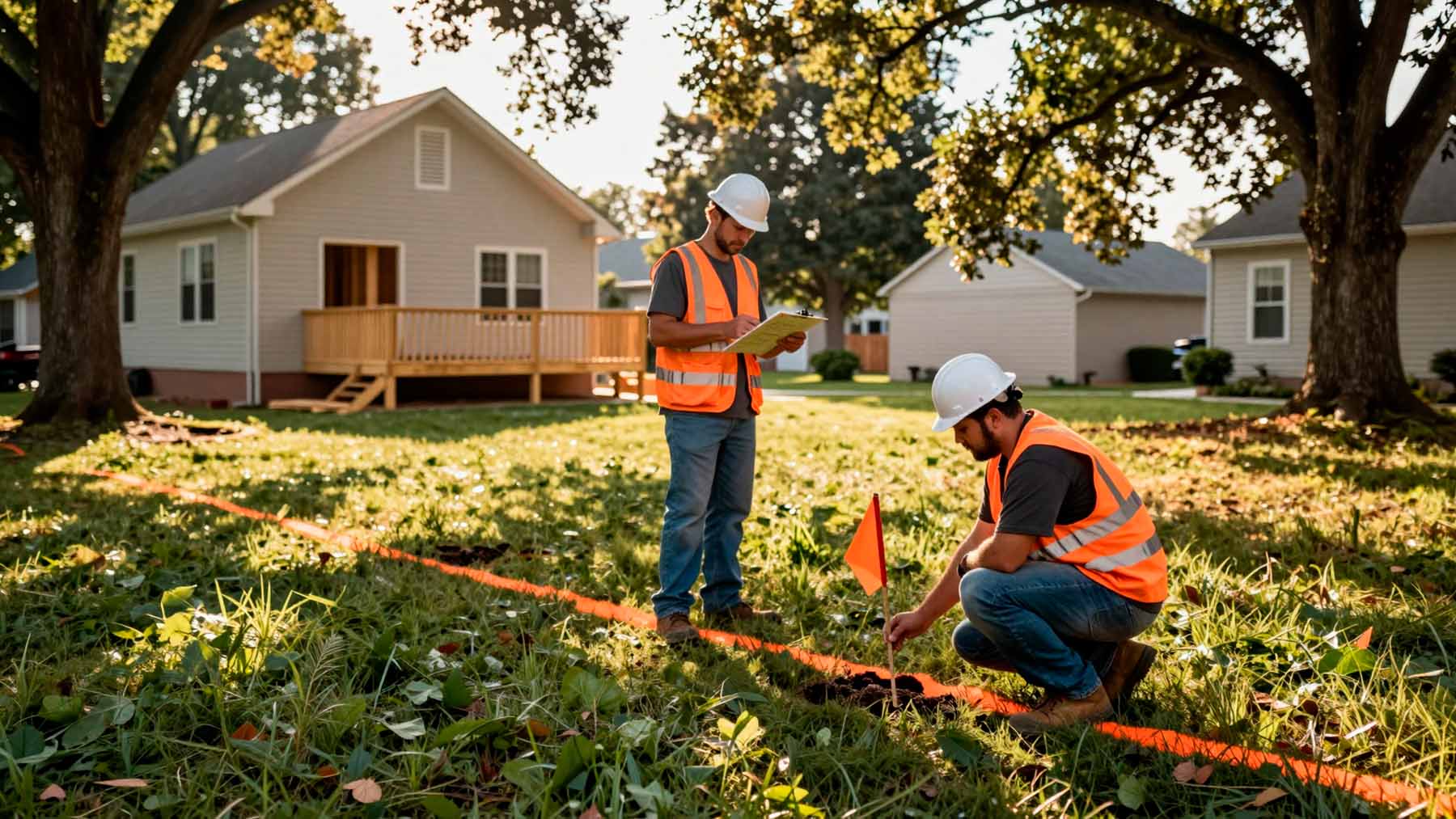 Image generated with artificial intelligence
On National 811 Day, PPL Electric Utilities is asking customers and contractors across eastern and central Pennsylvania to do one simple thing before they break ground on any project: pick up the phone. The utility serves about 1.5 million homes and businesses. On August 11, it issued a formal reminder urging anyone planning to dig—whether for a fence post, a tree, or a deck—to call 811 at least three business days ahead of time.
That call is free. It’s also required by Pennsylvania law. Skipping it can cost you a lot more than you’d expect.
PPL issues 811 reminder on national awareness day
August 11 isn’t a random date for this kind of announcement. National 811 Day lands on 8/11 specifically because 811 is the number you’re supposed to call before you dig. PPL Electric Utilities used that calendar moment to push out its formal public reminder on August 11, 2026, timing the message for when people are most likely to actually absorb it.
The call is free, it’s legally required in Pennsylvania, and skipping it can mean injuries, outages, and combined repair and fine costs that reach six figures.
The reminder covers both residential customers and professional contractors across PPL’s full service territory in eastern and central Pennsylvania. No one’s exempt—the requirement applies equally to a homeowner putting in a tree and a construction crew breaking ground on a bigger job.
Doug Haupt, Manager of Public Safety at PPL Electric, kept it direct. “Safety is at the center of everything we do at PPL Electric Utilities,” he said. “Calling 811 before digging is a simple step that helps protect customers, their families, neighbors and utility workers who serve our communities.”
Why the 811 call is required before excavation
This isn’t optional advice. Pennsylvania law mandates the call, and the three-business-day window exists for a real reason: it gives underground utility owners enough time to respond.
When you call 811, the system notifies all relevant utility owners in the area. They then send someone out to physically mark their underground lines before any digging starts—usually with spray paint or small flags showing exactly where buried infrastructure runs, so you know what to avoid.
The projects that trigger the requirement are broader than most people realize. Installing a fence, planting a tree, building a deck, setting a mailbox post—all of these count. Moving dirt means making the call first. And it costs you nothing. The 811 call is free, available to any Pennsylvania resident or contractor, and takes just a few minutes.
Financial and safety consequences of skipping the call
Here’s where things get expensive fast. Hitting an underground utility line without calling 811 doesn’t just put you in a dangerous spot—it puts you in a costly one too.
Repair costs for damaging underground equipment can run anywhere from $3,000 to $60,000, depending on what gets hit and how badly. That alone could wipe out an entire home improvement budget. Pennsylvania can also issue fines ranging from $1,000 to $50,000 for damaging underground facilities without prior notification—and when you add those two numbers together, a single incident can push well into six figures.
The safety risks may be worse than the financial exposure. Striking a buried power line can cause severe injury or death, knock out power for neighbors, and disrupt nearby critical infrastructure. The damage from one unannounced dig can ripple outward in ways that are hard to predict and even harder to undo.
What information callers need to provide when contacting 811
Making the call is pretty straightforward, but having a few details ready before you dial helps move things along and ensures the line marking is accurate.
You’ll need to give the county and municipality where the digging will happen, the street address, and the nearest cross street or intersection. That location info helps utility owners pinpoint exactly which underground infrastructure might be nearby. Beyond that, you’ll need to describe the project itself—where on the property you plan to dig, what kind of work you’re doing, and what equipment you’ll be using. A hand shovel and a backhoe create very different risk profiles, so the specifics matter.
For more guidance on safe digging practices, pa1call.org is the go-to resource for Pennsylvania residents and contractors.
About PPL Electric Utilities and its service area
PPL Electric Utilities delivers electricity to roughly 1.5 million homes and businesses across eastern and central Pennsylvania. The company consistently ranks among the top utility providers in the country for reliability and customer satisfaction—results that reflect its ongoing investment in infrastructure and service quality.
PPL Electric Utilities is a subsidiary of PPL Corporation, traded on the New York Stock Exchange under the ticker PPL and headquartered in Allentown, Pennsylvania. Beyond electricity delivery, the company is a significant regional employer with an active presence in the communities it serves.
The takeaways here are simple. Call 811 at least three business days before any digging project. The call is free, it’s legally required in Pennsylvania, and skipping it can mean injuries, outages, and combined repair and fine costs that reach six figures. For more info, visit pa1call.org.
Kelly is an experienced writer with 15 years of experience exploring the big stories that shape our world, from tech breakthroughs and space exploration to climate, energy, and the fascinating quirks of science. She has a talent for turning complex ideas into sharp, memorable insights that stay with readers long after they’ve finished reading.
