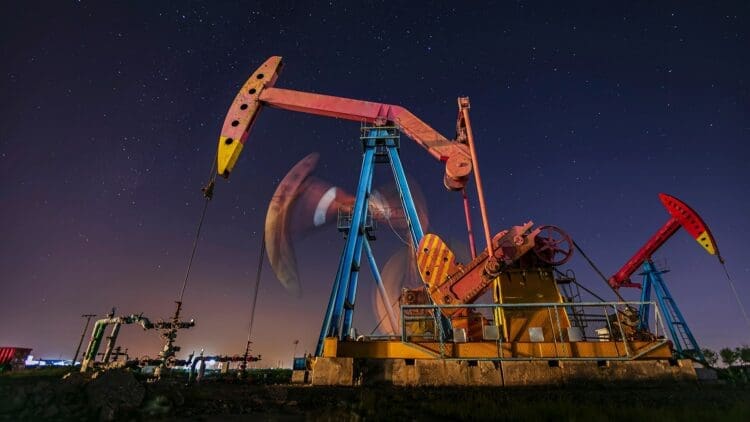

A new wave of petrochemical production has hit the international market, which has seen a litany of nations expanding their output capacity in the sector. The Middle East has seen several nations expressing their ambitions to increase petrochemical output over the coming years. Qatar has become one such nation that has expressed its plans to increase petrochemical production to serve the domestic and international markets. The nation recently unveiled its plans to double its petrochemical output to reach astonishing levels by next year.
Qatar’s state-owned energy company has targeted an increase in petrochemical production
Qatar has kicked off construction on a new petrochemical complex that will essentially double the nation’s output capacity by the end of 2026. At the launch of the project, Qatar’s Energy Minister and CEO of state-owned QatarEnergy, Saad Sherida Al-Kaabi, noted that the project, which is located approximately 80 km North of Doha, is the largest investment by the state-owned company in Qatar’s petrochemical sector.
“There is no doubt that this is an important landmark in QatarEnergy’s downstream expansion strategy, as it will reinforce our integrated position as a global energy player and generate significant economic benefits for the country.” – Qatar’s Energy Minister and CEO of state-owned QatarEnergy, Saad Sherida Al-Kaabi
Qatar’s already impressive ethylene production capacity is set to expand by 40% once the new facility is up and running. It will feature an ethylene cracker that boasts a 2.1 million tonnes annual capacity, which should be noted, is the largest in the Middle East and one of the largest in the world. The new complex will also feature two polyethylene trains that boast a combined annual output of 1.7 million tonnes of High-Density Polyethylene (HDPE) polymer products.
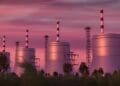
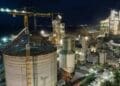

Qatar is aiming to increase its standing in the international petrochemical sector through the new complex
Qatar Energy, the state-owned energy company, has expressed its plan to construct the new $6 billion Ras Laffan Petrochemical Complex that will position the nation as a major player in the market. The complex is set to be constructed in the Ras Laffan Industrial City and exemplifies the nation’s ambitions to double petrochemical output by next year. This expansion plan marks a new era of petrochemical production for a nation that made its name in the oil market.
The state has noted its expectation for the project to be completed by 2026, at which point it will increase Qatar’s annual output to 14 million tonnes per year. The petrochemical market has been growing at an astonishing pace in recent years as a litany of nations express their expansion plans to serve the surge in demand for petrochemical products. This exemplifies the international markets’ ambitions to expand the output of the essential products that serve a multitude of sectors.
Notably, other nations on the global stage have noted similar ambitions to increase output capacity, such as Spain, with its new Catalonia facility being developed by Repsol. The world needs more clean energy projects that boost the output of essential products that serve the growing demand that has emerged on the global stage.
Petrochemical production has become the latest trend to sweep across the international energy market
The expansion plans outlined by Qatar point to a new trend of oil-rich nations aiming to increase petrochemical production to serve the market. Other nations that have made significant strides forward in increasing output have been a welcome trend in a world that is targeting a full-scale phasing out of oil and gas production, but that is still a long way off. Petrochemical production has become immensely popular and enables nations to expand clean energy production that does not rely on conventional oil and gas.