
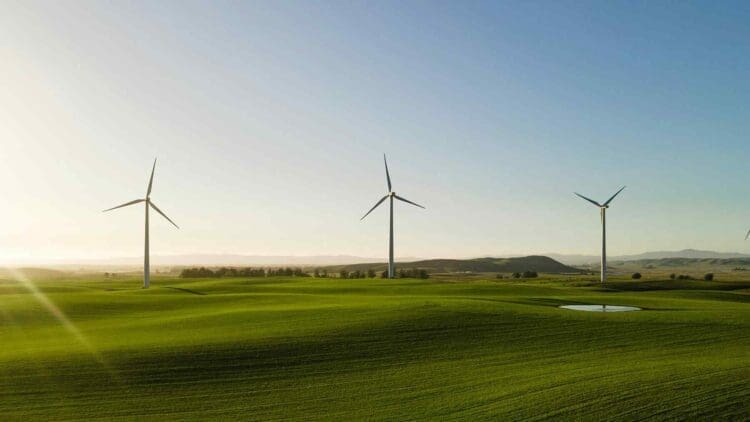
The North American wind energy landscape is thriving at the moment, with projects emerging from different companies and countries. The entire continent is on the same page when it comes to eliminating carbon emissions and investing in projects that will assist in achieving the objectives. In another display of this fact, regulators approved the Forêt Domaniale wind farm, a step forward for clean energy expansion.
Introducing Forêt Domaniale: Canada approves a significant facility
Governments are no longer just spectators of the energy industry, but they are now participating more in the generation of clean energy. Previously, the onus was on private companies to develop groundbreaking facilities and invest time as well as resources, but governments around the world are adopting a newer approach to executing projects.
The decision made by regulators to approve the facility means Canada will receive another large-scale renewable project that is expected to boost local economies while cutting emissions. Reports suggest that the construction process will begin in winter 2026 and the development will be operational in 2027.

This might seem like a long time at the moment, but it does not stop the general public from envisioning how they will benefit from it.
Unpacking the different parties involved in Canada’s wind farm materialization
One of the most notable ongoing trends when it comes to pursuing projects of different energy sources is the amount of collaboration between unexpected organizations and companies because they all have a common end goal. The Forêt Domaniale wind farm reflects a collaboration between EDF solutions électriques and Alliance de l’énergie de l’Est.
These entities may not be well-known on a mainstream level, but they are key players within their country, showing the seriousness of this project.
The two utilities will each own 50% of the project. The wind farm will be situated in forested areas within the Regional County Municipality (RCM) of Montmagny in Quebec. Overall, it will occupy municipal territories such as Cap-Saint-Ignace, Montmagny, Notre-Dame-du-Rosaire, and Sainte-Apolline-de-Patton.
Judging from the support behind the initiative, it is not surprising that the wind farm will consist of 30 turbines, with a combined capacity of 185.6 megawatts (MW). The turbines are strategically designed generate clean electricity while interacting with the rural landscape and ecological context of the specific region in which the farm is located.
How will the community benefit from the Forêt Domaniale wind farm?
Governments are more inclined to approve of developments that are guaranteed to benefit the community instead of those that will not. In this case, the finances involved were also dedicated to benefit the community.
For instance, yearly payments are estimated at CAD $5,700 (about US$4100) per installed MW, which will amount to more than CAD $30 million (about US$22 million) over the estimated 30-year lifespan of the wind farm. The people of Quebec will enjoy reliable electricity for as long as the facility continues to operate.
Delving deeper into the economic and environmental impacts of the wind farm
Upon hearing the community payments, many people were greatly excited, but this is not all they will be receiving. The wind farm is also expected to boost local employment. For instance, around 250 construction jobs will be created, and a few permanent maintenance roles will open up once the farm is operational.
One of the reasons why the United States has postponed and cancelled many wind energy initiatives is because of the environmental impacts they are expected to have.
As such, developers of this project ensured they would run into the same issue. They carried out thorough environmental studies and established plans to combat possible impacts on biodiversity and local ecosystems.
2026 might be yet another record-breaking year in the energy industry, considering the number of large-scale initiatives emerging. From all this, the general public will benefit the most.

