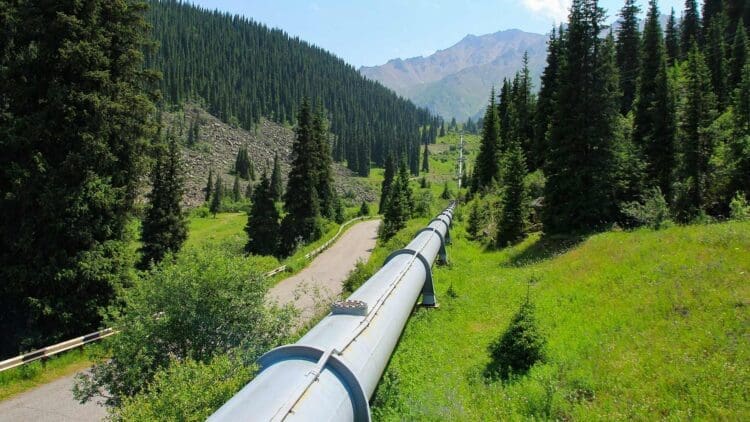

The rapid expansion of the US oil and gas market is set to reshape the global energy market in the new year. 2026 will see a surge in new pipelines and energy projects in the United States. The federal government has been opening up the market to new and existing pipeline expansions that will deliver vast amounts of natural gas to the regional, national, and international energy markets. The Rio Bravo Pipeline Project is one of many that will increase the US gas supply chain to reach new heights in 2026.
The US government has mandated a new surge in oil and gas developments
When Donald Trump was embroiled in his second Presidential campaign, he promised that the US would drastically increase output capacity from the conventional oil and gas sector. While most simply dismissed this as campaign rhetoric, the reality of what he meant has now become all too evident. The US has seen a significant surge in new oil and gas production since Trump took office and implemented a new executive order aimed directly at the US energy market.
Aiming to benefit from the new positive sentiment for oil and gas production that vanished under the Biden administration, as it aimed to increase renewable energy generation to address climate change, a litany of international energy companies have expressed their collective intentions to construct new projects and pipelines in the heart of the US energy market.

The Rio Bravo Pipeline will begin full-scale operations in the new year
The new Rio Bravo pipeline project, which is being developed by a joint venture between Whitewater, MPLX, and Canadian energy major Enbridge, is set to kick off construction operations in 2026. The pipeline will run for an estimated 137 miles and will feature new 48-inch- and 42-inch-diameter pipelines that will provide all the natural gas for NextDecade’s Rio Grande liquefied natural gas (LNG) export facility.
Texas remains the cornerstone of the United States’ gas and oil sector
Texas has become the unofficial home of the US gas and oil sectors through the myriad of energy projects in the state. The Rio Bravo pipeline will connect to the new compressor station in Kleberg County and feed 100% of the natural gas to NextDecade’s export facility in the Port of Brownsville in South Texas. Rio Bravo will enable the terminal to export vast amounts of natural gas to the international market, which has become as thirsty for gas as a lost traveller in the desert.
With the Rio Bravo pipeline project being granted all the required permits from the Federal Energy Regulatory Commission (FERC), and construction having made progress, the expectations are for the project to reach full-scale commissioning in the second half of 2026. The US market has become the cornerstone of the international energy sector, attracting some of the largest companies in the world.
It should be noted that not everyone is pleased with the approval given for the Rio Bravo Pipeline project. The Lower Rio Grande Valley chapter of the Sierra Club is vehemently opposed to the project.
The eye-watering costs of the project are a drop in the sea for the US energy market
The Rio Bravo Pipeline project is set to cost upwards of $2.173 billion, but that has not been a major factor in the project moving forward, according to insiders and energy experts. Louisiana has also revealed plans for a new pipeline that will feed the export ambitions of the US gas market, exemplifying the rapid transformation of the US energy sector since Trump took office. Despite the overwhelming pushback from environmentalist groups, the project is heading towards a full-scale commissioning in the second half of next year.