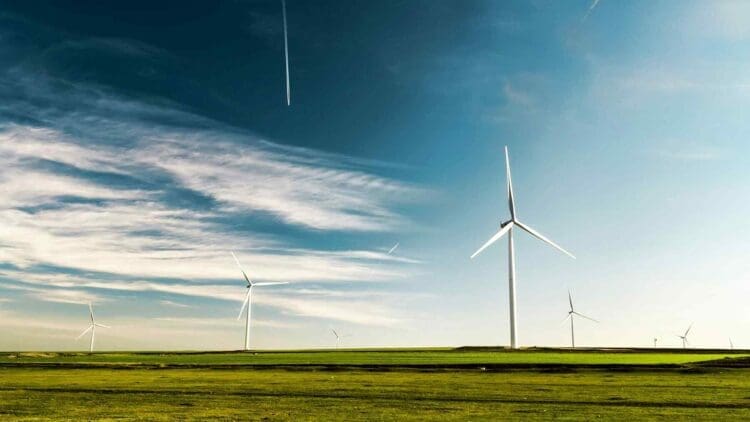

Not for the first time in 2026, RWE finds itself playing a pivotal role in advancing wind energy developments in the United States. The U.S. wind sector is beginning to be more lively since the nation has moved past its period of suspending wind facilities. Texas is the biggest wind energy-producing state in the United States, with reports stating that it produces approximately 28% of the nation’s total wind energy. Now, RWE has commissioned the Peyton Creek II wind facility, adding new generation capacity in Texas.
A brief overview of Texas’s wind energy landscape and RWE’s role
The overall aim of the United States is to diversify the energy portfolio of every state. Still, it is also important to take advantage of the elements that make a certain region advantageous for certain initiatives. As of 2024-2025, Texas had over 40,000 MW of installed capacity, but that number has surely increased this year. Companies like RWE deserve a massive amount of credit for continuing to establish large-scale initiatives in the state.
RWE AG is a firm that was founded in 1898 and is headquartered in Essen, Germany. It is a leading global utilities company that is in the middle of transitioning from a conventional power producer to a renewable energy giant.
In the United States, it has officially commissioned the Peyton Creek II wind facility in Texas, establishing another milestone in the company’s expanding U.S. renewable energy portfolio. Situated in Matagorda County, the facility forms part of a multitude of renewable projects brought online by the company.
The Peyton Creek II wind farm is expected to expand renewable energy capacity
There are huge expectations surrounding the upcoming Peyton Creek II wind farm. It has an installed capacity of approximately 243 megawatts (MW), which is imperative in elevating the state. Its exact location is near Bay City in Matagorda County, which is a region already recognized for its strong wind resources and existing energy infrastructure.
As such, the upcoming facility will be able to depend on some of the resources that are available in the area. Interestingly, RWE brought multiple renewable projects online across the U.S. that all add up to a total of around 2 gigawatts (GW) of new capacity. Although the company is not headquartered in the United States, it still has strong affiliations with the nation.
For Texas, the Peyton Creek II enhances its portfolio of not just wind energy but a clean energy initiative in general. For the company, it strengthens its footprint in the Electric Reliability Council of Texas (ERCOT) region, where demand for renewable energy continues to rise. The United States is at a place where every initiative has to mean something in the grand scheme of things.
Reviewing the importance of RWE’s upcoming wind energy facility
The Peyton Creek II is part of a larger wind complex that is amplifying or capitalizing on the success of the original Peyton Creek I project, which began operations in 2020. The two projects display a phased development approach aimed at taking full advantage of the site efficiency and transmission access.
Construction of the second phase was made possible through a partnership with notable industry players, including turbine manufacturer Vestas and construction partners such as Wanzek and RES. The developers already have a blueprint of their earlier facility that worked as expected, which explains why there is so much confidence surrounding the second one.
The project is also backed by long-term power purchase agreements (PPAs), including deals with integral corporate buyers like Microsoft.
Unpacking the economic benefits of RWE’s Peyton Creek II facility
Peyton Creek II delivers economic benefits to local communities, such as thousands of construction jobs and hundreds of millions of dollars in local tax revenues. Its ongoing operations are expected to create long-term jobs in maintenance and site management for the people of Texas.
The U.S. wind energy sector continues to enjoy strong momentum. RWE is on course to play one of the most important roles in the industry with its initiatives.