
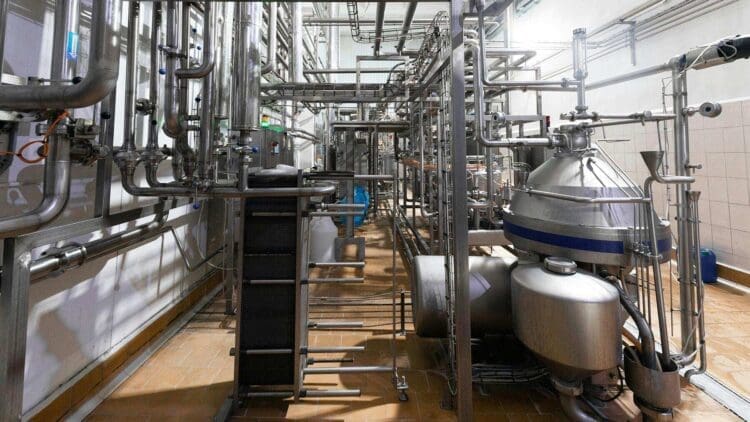
Royal Dutch Shell has become one of, if not the largest, energy companies in the world over its nearly 100-year lifespan, and now the company is moving forward with its integration and decarbonization efforts with its Refhyne II project. Shell has been working diligently to integrate renewable energy into its downstream sector through the use of renewable energy at several of its refineries in Europe.
Shell’s decarbonization efforts are gaining momentum this year
Shell has been working on integrating renewable energy into its operations in Europe for some time now. The company has now reported that it has signed two new Power Purchasing Agreements for electricity earmarked for its Refhyne II electrolyser project in Germany.
The plan is to secure zero-carbon electricity for the electrolyser, which is currently being constructed in Germany at Shell’s Energy and Chemicals Park Rheinland. The all-new 100 MW facility is slated to begin operations in 2027 and will produce renewable hydrogen, which will cut emissions at the site dramatically.

Shell has recently signed two significant PPAs in Germany
To ensure enough energy for the Refhyne II electrolyser, Shell has signed an offtake deal with joint developers Northland Power and RWE to source approximately one-third of the output from the 332MW Nordsee One offshore wind farm. The new PPA will run for five years at the very least, with expectations for it to be extended.
In a separate 10-year Power Purchasing Agreement in Germany, Shell has opted to acquire approximately 75% of the energy produced at the Solarkraftwerk Halenbeck-Rohlsdorf 230MW solar PV project. These two PPAs lay the foundation for the company to secure enough electricity to power its hydrogen production ambitions in Germany.
“These agreements reflect the company’s strategy to advance low-carbon solutions and scale renewable hydrogen,” – Shell’s head of hydrogen, Andy Beard
Shell’s Refhyne II electrolyser project aligns with regional clean energy ambitions
The Refhyne II electrolyser project aligns perfectly with Germany’s regulatory framework as well as the European Union hydrogen targets. It has the added benefit of receiving financial backing and support from the EU’s Horizon 2020 program.
Shell has stated that it anticipates the Refhyne II electrolyser will generate upwards of 15,000 tonnes of green hydrogen per year, and aligns with the company’s ambitions to decarbonize its energy operations in Europe while delivering vast amounts of clean hydrogen for the international market, which has been growing at a steady rate as demand for hydrogen increases.
As Europe sees a multitude of energy companies diversifying their energy output by creating new divisions within the company to advance downstream production of essential energy resources, Shell is aiming to lead the energy transition in Germany.
“The REFHYNE 2 project builds on the lessons learnt from REFHYNE, maintaining these projects at the forefront of the low carbon energy transition. This project’s second phase, encompassed by REFHYNE 2, is funded by the European Commission’s European Climate, Infrastructure and Environment Executive Agency (CINEA), whose mission is to support stakeholders in delivering the European Green Deal through high-quality programme management. It will expand Europe’s largest PEM electrolyser from 10MW to 100MW. – Statement from Shell
Germany is set to become a major player in the hydrogen market
Shell’s two new PPAs in Germany exemplify the potential that the nation has in advancing the hydrogen market this year. Germany has become one of the most progressive nations anywhere in the world, and has recently seen RCT Hydrogen outline plans to launch a new electrolyser stack manufacturing facility. Hydrogen can serve the entire value chain in the energy market by decarbonizing energy operations at industrial sites. With calls to end the reliance on oil, the renewable energy market has been growing at a steady pace in recent years.

