
Siemens rolls out U.S.-assembled WATTBLOC inverters for utility-scale solar farms
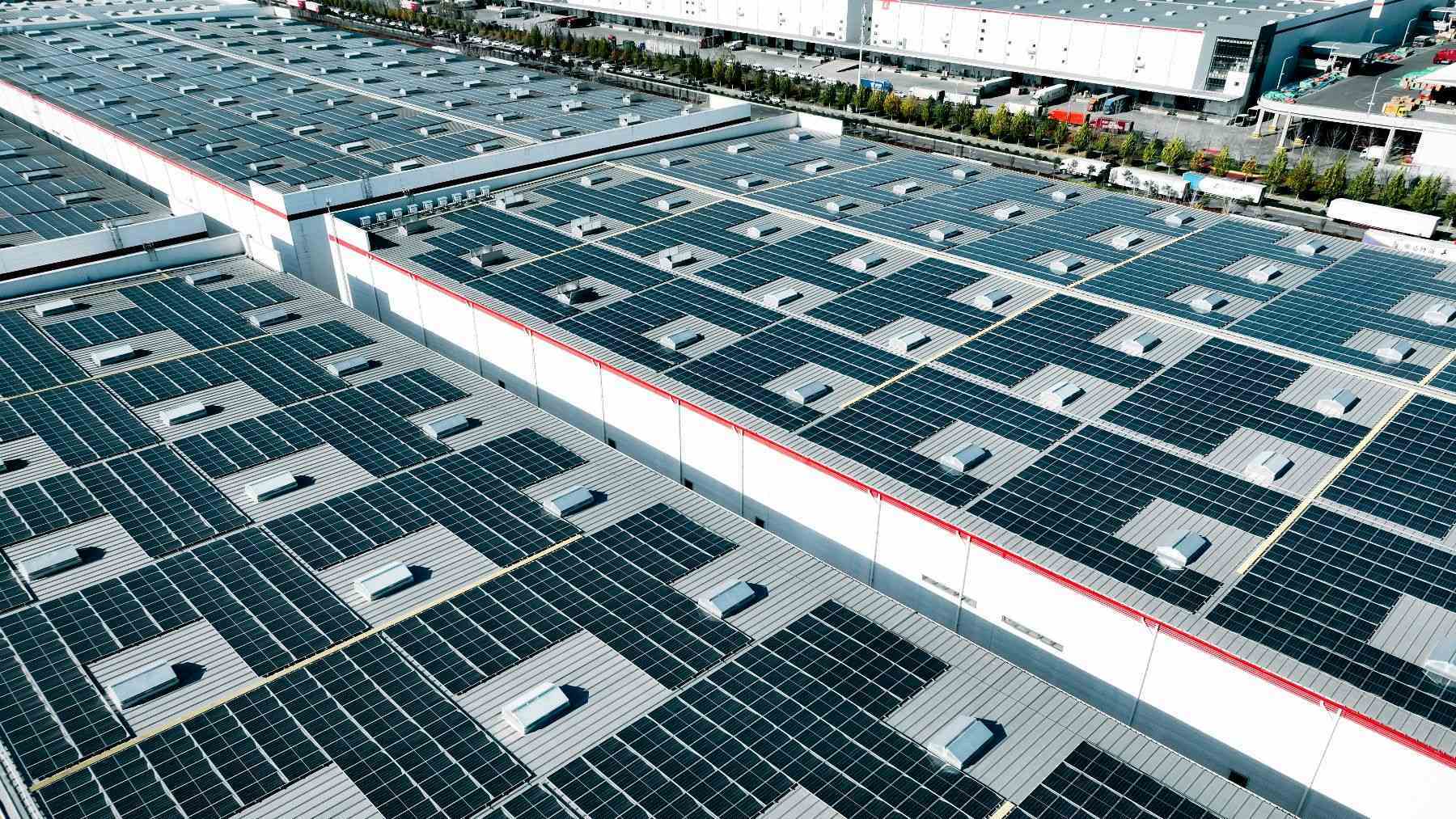
While there is room for companies to experiment in the modern-day energy sector, it is important for them to understand that not every experimentation process is going to result in successful project execution. This means some companies may invest millions of dollars in projects that they believe will set a new standard for energy generation, only for their blueprint attempt to be met with resistance. Nonetheless, there are many companies that have been able to make a name for themselves after executing projects that other entities would not have been capable of. In most instances, they are rewarded for offering a unique technology that could not yet be replicated, meaning they are likely to be appointed to spearhead initiatives that are in need of that new rare resource. In recent weeks, Siemens rolled out U.S.-assembled WATTBLOC inverters for utility-scale solar farms.
Reviewing the evolution of Siemens in line with the solar energy sector
It is interesting to witness the journey of how a company evolves as it learns to adapt to the newest energy generation strategies. In most instances, the companies that blindly abide by their traditional energy generation strategies end up falling behind, especially given the competitive nature of the current energy sector and the enormous number of new companies that are adopting contemporary strategies.
One of the busiest companies in 2026 has been Siemens Corporation, a U.S. subsidiary of Siemens AG. Siemens AG is a leading technology company focused on industry, infrastructure, transport, and healthcare. As of now, the company’s main focus revolves around establishing technology that can increase the standard on a daily basis.
The company is also known to own a majority stake in Siemens Healthineers, a leading global medical technology provider pioneering breakthroughs in healthcare.
For instance, one of the ways that it does so is by combining the real and the digital worlds, which allows it to empower customers to accelerate their digital and sustainability transformations, making factories more efficient, cities more livable, and transportation more sustainable.
Siemens rolls out U.S.-assembled WATTBLOC inverters for utility-scale solar
The United States may not be the leading solar energy generating country. Still, its access to wealth and resources means that it is in a good position to experiment and attempt to execute first-of-a-kind energy projects that other countries cannot.
A recent press release from Siemens revealed the WATTBLOC™, which is its American-assembled utility-scale solar platform that brings together the WATTBLOC™ 500 string inverter and WATTBLOC™ Virtual Central Station architecture.
This initiative is another indication of the technology-influenced direction that the solar energy sector is headed. Designed specifically for large-scale photovoltaic projects, the platform introduces a highly agile, modular, and scalable approach to power conversion. Ultimately, this is a huge positive for developers, EPCs, and asset owners because it gives them greater flexibility in how solar plants are designed, deployed, expanded, and maintained.
Breaking down the overall influence of Siemens in the solar energy sector
The United States is not short of companies that are moving the needle in the clean energy sector. Siemens is recognized as a leader in AI and has made a name for itself leveraging its deep domain intelligence to apply AI, including generative AI, to real-world applications, making AI accessible and impactful for customers across a wide range of industries. The company is also known to own a majority stake in Siemens Healthineers, a leading global medical technology provider pioneering breakthroughs in healthcare.
How much more can technology influence the solar energy sector?
At the heart of the platform is the WATTBLOC 500, a single-maximum power point tracking string inverter that is designed for utility-scale solar applications. The inverter supports numerous AC voltage configurations from 370 V to 800 V, with power ratings ranging from 227 kVA to 500 kVA.
Siemens has greater freedom to experiment compared to other companies, considering that in fiscal year 2025, which ended on September 30, 2025, the Siemens Group USA generated revenue of $24.427 billion with 27 manufacturing sites across the U.S.

Prince is a versatile writer focused on energy, automotive, environmental, and general news topics. He makes complex technical and policy issues clear, engaging, and accessible for a broad audience.
