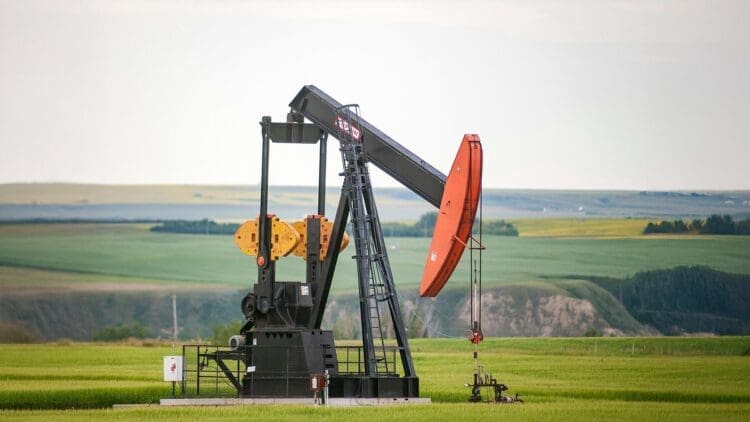

The impact of an increasing trend toward digitalization within energy technology is beginning to attract interest from non-specialists. There have been numerous discussions throughout the last several months among all segments of the oil & gas industry as to whether using automated/technology-based solutions to aid in daily operation will increase efficiency and/or affect overall profitability.
Integration of digital tools at scale
There has also been discussion regarding the integration of new systems at scale as the oil and gas industry continues to adopt these digital tools, which may signal additional changes within the industry related to the ability of energy companies to perform competitively (i.e., efficiently) moving forward.
Over the course of the last three years, there has been significant change within the oilfield services segment as regards the application of digital technologies. Artificial intelligence (AI), automation, and integrated data platforms were identified as key enablers of operational efficiency by SLB during the 2026 CERAWeek conference. These technologies have moved from being considered “experimental” applications to standard applications across most regions.


They are currently being utilized within multiple areas of the oil and gas production process. Examples include: real-time data integration across entire field operations; advanced analytics that assist decision-making and automate workflow processes; and the combination of physical infrastructure with digital tools to improve production performance, improve safety, and decrease downtime.
There are numerous stakeholders associated with the oil and gas industry interested in understanding the potential impacts of digital technology adoption. Examples include: operating companies, service providers, and other entities involved in producing or providing products or services to oil and gas producers. As data and AI become more deeply embedded within an organization’s processes, they have the potential to drive decisions associated with long-term asset reliability, drilling efficiencies, coping with volatile commodity prices, and managing costs.
Market environment and strategic implications
One factor driving the growth of digital technology in the energy space is the changing environment of the energy markets. Factors outside of individual organizations’ control continue to influence how they operate. The fluctuation in commodity prices and varying levels of demand are examples. In environments where the ability to manage costs and operate efficiently is critical, digital technologies provide oil and gas companies with the opportunity to maximize performance, create value from existing assets, and expand capacity.
This is not occurring independently. Today, numerous industry participants evaluate their success based upon both production volume metrics and operational effectiveness and improvements made possible by utilizing digital insight. Common examples include automated workflow processes, predictive maintenance techniques, and integrated data platforms that can enable organizations to mitigate operational risks while enhancing long-term performance.
For companies engaged in upstream oil and gas development, regardless of whether it is unconventional onshore resource development or deepwater offshore resource exploration, developing a competitive advantage by merging organizational experience and knowledge with digital technologies is becoming an increasingly viable strategy. Digital technologies also offer a mechanism for collaboration among large operators to improve integration into reservoir modeling, real-time production optimization, and remote monitoring strategies.
SLB’s Digital Oilfield update
During SLB’s most recent update, SLB indicated that digital oilfield technologies had progressed beyond pilot stages to full-scale implementation. Stakeholders believe this represents a pivotal moment for the industry. The industry is beginning to leverage digital platforms combined with AI and automation to improve both decision-making and performance outcomes.
While the implementation of Digital Transformation has the potential to increase efficiency, it presents several strategic issues, including workforce role transition, data governance considerations, and investment prioritization. SLB’s emphasis on deploying digital technologies aligns with many industry leaders’ views that technology will play a fundamental role in addressing both short-term performance-related challenges and long-term sector-wide objectives.