

A new trend has emerged across the global energy industry in 2026. Growing demand for energy across the Southeast Asian region has driven the modular refinery market to reach new heights this year as nations aim to serve fuel-short regions. The rapid expansion of the Asian refining market has come from a litany of nations in the region requiring vast amounts of energy to meet demand over the coming years. Modular refineries seem to be the best bet to enhance energy output capacity.
The ever-volatile energy market is in a constant state of evolution
As the world enters a new year loaded with the expected increase in demand for energy across the international market, several nations have been contemplating a future that will be heavily reliant on modular refineries.
Modular refineries have become immensely popular for nations as they require much less financial investment and provide a cheaper, accelerated energy refining opportunity for nations. When compared to the much larger, traditional refineries that litter the globe, modular refineries provide a much-needed alternative.
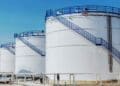


Several market analysts have noted that the growth of the modular refining market has been driven by several key factors, including but not limited to:
- A new and unmet need to reduce fuel import dependence for the vast majority of nations.
- A need to expand the refining capacity of underserved regions of the world.
- modernize and monetize stranded oil reserves in developing and established energy markets.
- promote energy security through domestic refining and processing of essential energy resources.
“Modular refinery units are revolutionizing the oil and gas industry by providing a more agile, cost-effective, and environmentally friendly refining solution.” — Patsnap Eureka
Southeast Asia has been a major driver of growth for the modular refining sector
A significant push to increase energy security in the Southeast Asian energy market, as well as the anticipated increase in demand in 2026, has seen a dramatic expansion of the modular refinery market in Southeast Asia.
Several nations in the region, one of which is Indonesia, have been driven to expand the modular refining capacity to reduce import dependency and boost domestic refining capabilities. As Modular Refineries are much smaller than their conventional cousins and require much less time to construct and install the necessary components, the modular refining market is expected to grow by up to 3% over the coming years.
Rapidly deploying modular refineries in the region has resulted in Southeast Asia leading the charge to develop more modular refineries. Geopolitical disruptions in oil supply and renewed focus on decentralized energy infrastructure have also been determining factors in the advancement of the modular refining sector.
Modern, large-scale refineries may become a thing of the past if everything goes according to plan
The huge and cumbersome refineries that dominate the global market often require months, or even years, to complete even the most straightforward maintenance operations or programs. As such, nations in the Southeast Asian market have been mulling over the future of the modular refining market. Further amplifying the rollout and expansion of the modular refineries in Southeast Asia is the need to increase domestic refining capacity as well as reduce the reliance on foreign nations to meet energy demand.
Increasing refining capacity can often cost billions of dollars for nations
As noted by the recent news that the Ningbo Daxie refinery in China is moving forward with the relevant expansion program, the refining capacity of nations in the Asian market is set to increase this year. Modular refineries will undoubtedly play a vital role in increasing refining capacity for nations around the world, with the Southeast Asian market likely to lead the charge of increasing the number of modular refineries.