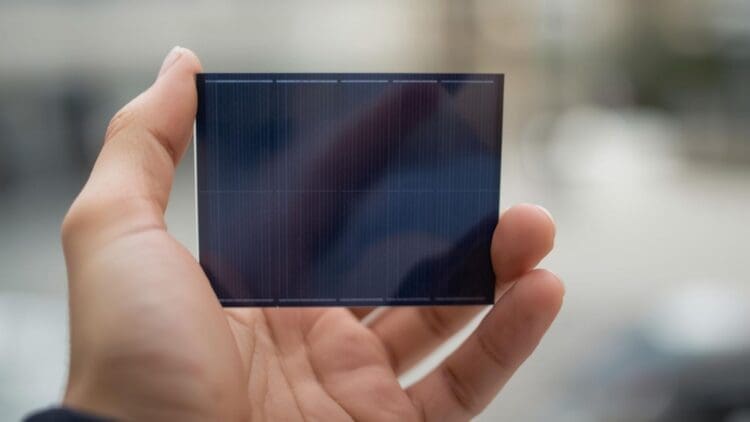
For a long time, solar power looked the same everywhere. Big glass panels, heavy frames, and permanent installations that felt more like construction projects than simple upgrades. They worked, but they were not flexible. Or elegant.
People accepted this as the price of clean energy. Heavy equipment, high costs, and complicated setups were just part of the deal. That was the norm. Until recently.
Why traditional solar always felt limited
Solar energy has grown fast across the world. Rooftops, fields, and deserts filled with panels. Governments supported it. Companies invested billions. It became the symbol of green progress.
But behind the success, problems stayed. Traditional panels are heavy, fragile, and hard to install. Many roofs cannot support them. Cities often lack space. Installation takes time, permits, and skilled labor.
For many homes and businesses, solar sounded great in theory, but difficult in practice.
When clean energy becomes complicated
The biggest irony of solar power is how complicated it can be to use. Panels must be mounted carefully. Glass can break. Metal frames add weight. Once installed, moving them is almost impossible.
That makes solar feel permanent, even when energy needs change. It also limits where panels can go. Curved surfaces, temporary structures, and mobile setups are mostly excluded.
Clean energy, but not very flexible.
The idea that challenges everything we know
Now imagine solar power without glass. Without heavy frames. Without drilling holes or building complex structures.
Imagine something that bends, rolls up, and sticks where panels never could. Something that feels less like construction and more like applying a sticker.
For a long time, that idea sounded unrealistic. Too fragile. Too experimental. Too good to be true.
What’s actually replacing solar panels
The shift comes from a new type of solar film, so thin it feels like paper. It produces electricity without heavy glass or rigid frames. It can be placed on flat or curved surfaces and removed when needed.
This film stays light, flexible, and efficient at the same time. A small surface area can already generate enough power for one household per day.
And yes, it sticks in place.
And this is where China enters the picture
This ultra-thin solar film is coming from China, not the United States. It is being sourced directly from factories, not labs or long-term research projects.
The film is just 0.3 millimeters thick, cheaper to produce, easier to transport, and faster to install than traditional panels. It works on buildings, vehicles, RVs, and places where heavy panels never made sense.
In short, it opens new doors solar panels kept closed.
A quiet shift with big consequences
This does not mean traditional solar panels will disappear overnight. But their dominance is being challenged.
As cities grow and energy use becomes more flexible, lighter solutions matter more. And once clean energy becomes easier and cheaper to use, adoption moves fast.
Solar panels may not be gone.
But their role is changing.
And the next chapter of solar energy may be thinner, lighter, cheaper — and coming from somewhere many did not expect.