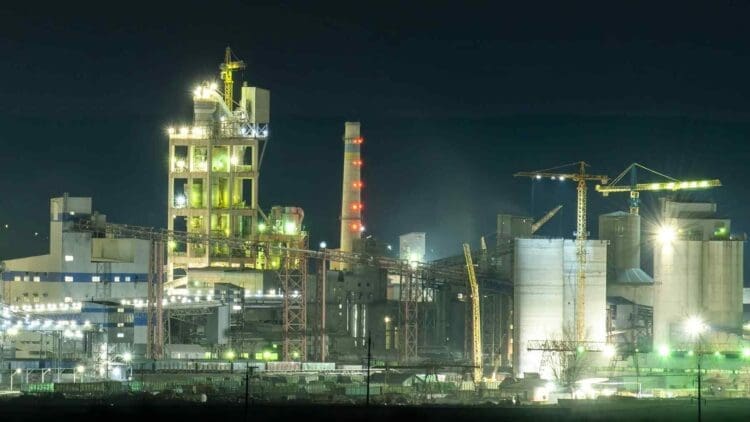

A number of factors suggest that significant and enduring increases in refinery performance are unlikely to occur rapidly. The majority of the productivity enhancements and increases in output are generally the result of continuous investment in backroom infrastructure. At Suncor, that pattern of steady investment is starting to become more apparent as the company progresses a series of refinery upgrade initiatives to increase yields of various products across its Canadian downstream operations.
Upgrades with incremental impact on systems
In its latest corporate guidance, Suncor emphasized a continued commitment to operational enhancements in its refining portfolio, including optimizing utilization and increasing yield from the use of current assets. In its December 2025 guidance, Suncor indicated it expects to maintain refinery utilization of 99% to 102% in 2026. That expectation reflects confidence in the performance of its upgraded and maintained facilities.
Unlike many other companies in the refining space, Suncor’s strategy to achieve yield enhancements focuses on targeted upgrades, improved reliability, and disciplined maintenance planning rather than simply expanding its footprint or adding new refineries. The goal of these initiatives is to improve how well each refinery processes crude oil into more valuable and profitable products, enhancing total yield without significantly increasing throughput.


Marginal gains in a mature refining system can add up to material volume and profit enhancements over time.
What refinery upgrades look like in practice
Often, refinery upgrade programs are misinterpreted as single, large capital projects. They are generally a mix of replacing equipment, optimizing process flow, and making unit-level improvements to improve performance. For example, for Suncor, those investments include sustaining capital and selected downstream spending, which Suncor has identified as part of its larger 2026 capital program.
Turnarounds scheduled at all four of Suncor’s refineries will be included in its outlook, demonstrating that Suncor is coordinating its upgrade work with the timing of its scheduled maintenance rather than treating the upgrades as separate projects that would cause downtime. This approach enables Suncor to integrate the benefits of its upgrade projects into its operations and minimize lost production while maintaining its high utilization rates.
Therefore, Suncor has created a more consistent and productive refining system that generates more value per barrel of crude processed.
Why is yield enhancement relevant today
Improving product yield is becoming an increasingly important tool for refiners competing and operating in regulated markets. Improving yield enhances a refiner’s ability to produce more saleable product from the same amount of crude, thereby providing margin support in the absence of increased throughput or additional capacity.
Yield improvements also help to ensure alignment between production levels generated by Suncor’s upstream operations and Suncor’s downstream capabilities. Because refinery utilization is currently so high, Suncor’s ability to fine-tune the type of product produced provides a competitive advantage, especially when maintenance or market conditions necessitate it.
Suncor’s guidance demonstrates the company’s belief that the yield enhancements experienced in 2024 and 2025 are sustainable and reflect tangible results from recent upgrade projects.
A structured approach to investing in the downstream
Suncor’s downstream capital expenditure in 2026 is a component of a broader capital structure that emphasizes sustaining investments and high-value opportunities instead of building out its refining footprint. The total capital expenditures are anticipated to remain consistent with the target established at the company’s 2024 Investor Day, further emphasizing the view that Suncor is generating performance gains from executing its strategy versus growing its scale.
The refinery upgrade initiatives undertaken by Suncor provide insight into how yield enhancements are generally developed through consistency and not rapid change. As Suncor continues to execute its targeted upgrades throughout its Canadian refining operations, the company is positioned to develop its downstream segment to produce better performance from its existing assets. Ultimately, the longer-term impact of Suncor’s initiatives on producing higher volumes of product and developing operational resilience may not always be evident; however, it is likely to have a lasting positive effect.