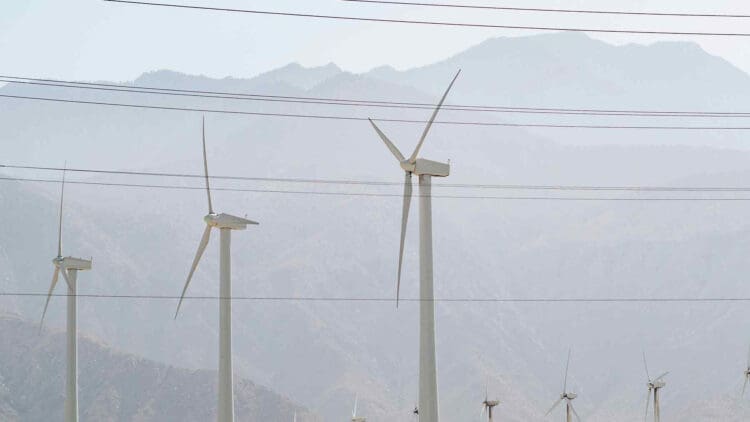
The wind energy landscape of the United States is surrounded by a huge amount of controversy and political scrutiny at the moment. There are a lot of projects that have been suspended, while others are still undergoing court proceedings, awaiting judges to reach the final decision. The Trump Administration has been at the heart of all the drama surrounding the initiatives, as the president has a long history of advocating against wind farms. Nonetheless, some developments have gone under the radar, such as SunZia Wind and Transmission, which progressed as the largest wind energy and transmission buildout in the United States.
A historic feat: Assessing the largest wind energy and transmission buildout
The United States has become the latest nation to have an energy development that has eclipsed anything ever seen in the nation’s history. This trend is recognizable at the moment because technological innovation allows countries and companies to pursue ambitious initiatives that, once upon a time, were too complex. What is even more interesting is that all these record-setting projects might not hold that position for too long, considering the rapid strides occurring in terms of innovation.
Yes, the rumors are true. SunZia Wind and Transmission is advancing construction of what is destined to become the largest renewable energy and grid infrastructure project in US history. The connotations of this development mean that it will have an incredible number of eyes and attention on it as people want to learn how it will look once it reaches completion. The buildout consists of various wind farms in New Mexico and a high-voltage transmission line to Arizona, all with the intent of completely changing energy generation across the Southwest region.


Setting new standards: Unpacking how SunZia Wind and Transmission might influence future energy projects
In the energy industry, companies and countries often set the blueprint that others latch onto and apply in their own setting. Thus, the upcoming buildout is likely to influence how other regions generate electricity moving forward. What exactly is unique about the latest energy initiative? SunZia Wind and Transmission combines a wide spanning wind generation complex with a long-distance transmission corridor that is structured in a manner to supply surplus low-carbon energy across state lines. According to reports, the wind component will possess over 3,500 megawatts (MW) of generation capacity, making it the largest wind facility in the Western Hemisphere.
Delving deeper into the specifications of the United States’ monumental facility
Despite the noise and attention surrounding the project, it is essential to highlight that we are at a stage where its impacts are anticipated rather than actual because it is not complete yet. The development comes with an accompanying ±525 kilovolt (kV) high-voltage direct current (HVDC) transmission line that stretches roughly 550 miles, linking central New Mexico to south-central Arizona and organizing power flow to cater to areas with peak demand in the West. With the recent court results, these benefits may soon become a reality.
Years in the making: How long did it take the US to develop this groundbreaking facility?
When projects of this magnitude emerge, they have been worked on for a long time before people can learn about them. For instance, Pattern Energy spent over a decade planning and negotiating before successfully sealing a US$11 billion financing deal in 2023. Since then, the highest level of technology, engineering, and equipment has been dedicated to the project with the intent of ensuring that it meets the high expectations.
The world can officially add one more major development to the already significant projects that are in the works for 2026. Pattern Energy anticipates that commercial operations of the facility will begin in 2026. Additionally, it predicts that the initiative will generate US$20 billion over its lifetime. As per the opinions of the experts who are known as grid operators and energy planners, SunZia’s transmission capacity has the potential to reach an incredible 3,000 MW.