
Terrestrial Energy files a new NRC report aimed at cutting red tape from future IMSR deployments and speeding the reactor toward market
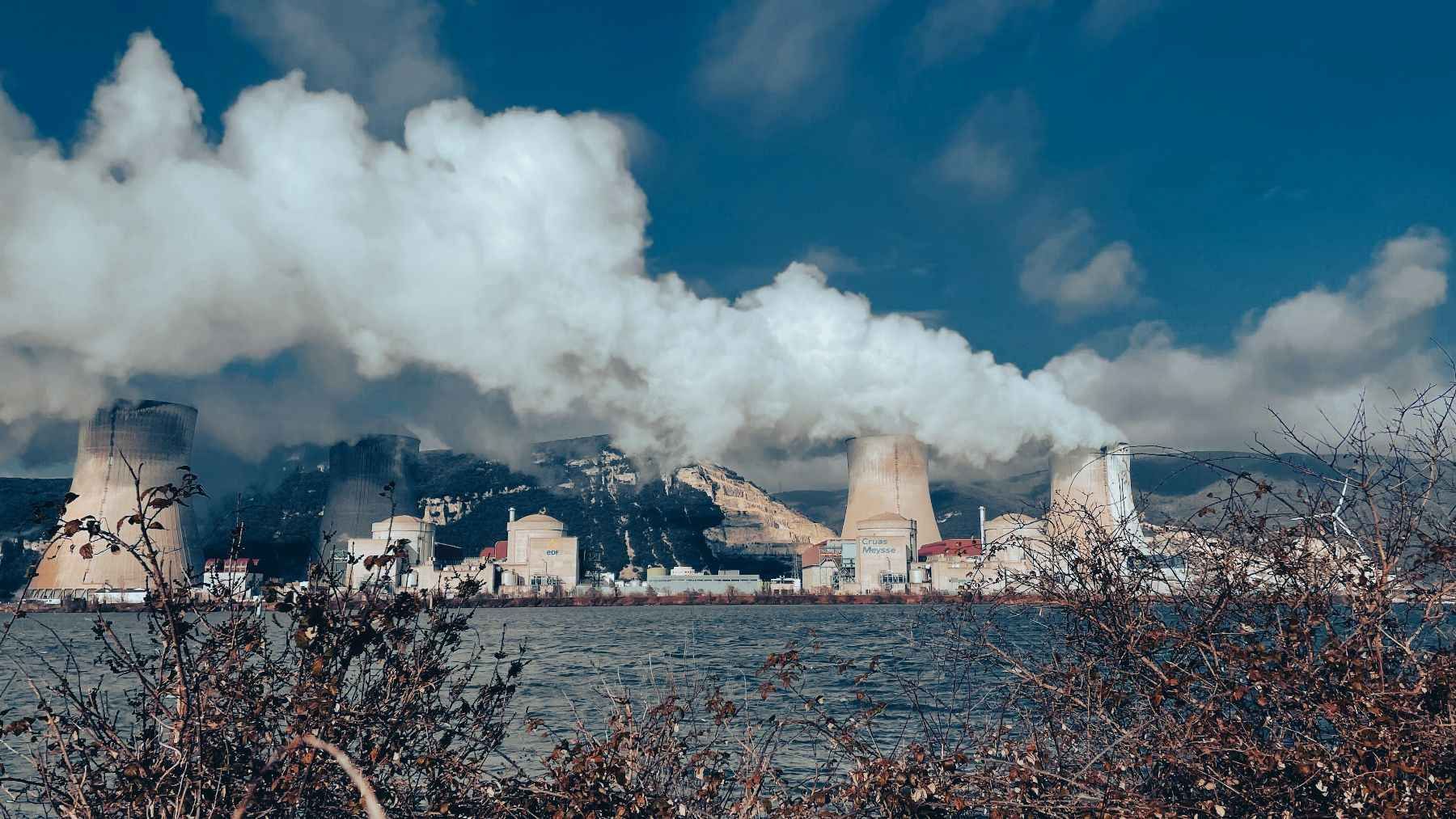
The clean energy transition has been a massive success for the United States mainly because of the government’s willingness to work with private companies and ensure that there are no major hurdles preventing the execution of projects. The nation is aware that it is important to reduce carbon emissions and clean the Earth while also meeting targets that it has set for itself. There are many companies that are looking to capitalize on the current state of the energy industry because there are no guarantees that the U.S. government will always be this cooperative. On that note, Terrestrial Energy filed a new NRC report aimed at cutting red tape from future IMSR deployments and speeding the reactor toward market.
Maintaining momentum: Terrestrial Energy continues to improve its overall portfolio
Terrestrial Energy has been among the most active companies in the energy sector this year as it is now seeking to end the year off on a high note. The company is a developer of Generation IV nuclear plants powered by its Integral Molten Salt Reactor (IMSR) technology, delivering innovation in efficiency, cost, versatility, and functionality.
In the current energy landscape, technology-influenced companies are seen as having the most potential to spearhead the next generation of energy production strategies, considering how much the sector as a whole is relying on technology.
The IMSR Plant is small, modular, and designed to supply low-cost, reliable high-temperature heat and electricity for industrial applications, including data centers and chemical and petrochemical supply.
Terrestrial Energy files a new NRC report aimed at cutting red tape from future IMSR deployments
A press release from Terrestrial Energy announced that it has submitted its Thermal and Electric Facility (TEF) Topical Report to the U.S. Nuclear Regulatory Commission (NRC). If approved, the TEF, which houses the generators, turbines, and steam supply systems of the Integral Molten Salt Reactor (IMSR) Plant, could be customized for each site and built and operated ahead of the plant’s nuclear construction permit and operating license.
The U.S. nuclear energy sector has consistently been successful, but as of late, the nation is using its access to wealth and resources to set higher standards for nuclear facilities. The U.S. Energy Information Administration (EIA) reports that the United States operates 94 commercial nuclear reactors across 54 plants in 28 states, providing an estimated 98,441 MW of total capacity and generating about 17% of the nation’s electricity.
The U.S. is well respected as the world’s largest nuclear power producer, a reputation that it has maintained for many decades. Illinois leads the nation with 11 operating reactors and 11,592 MW of capacity, and most of the fleet is located east of the Mississippi River. Despite this, the nation is working toward diversifying the energy portfolio of every state and ensuring that there is a consistent energy supply everywhere.
Understanding the significance of the Report submission for Terrestrial Energy
Terrestrial Energy is in a good position to achieve great success while generating tremendous revenue from its facilities. Following the announcement, Simon Irish, CEO of Terrestrial Energy, stated the following:
“This submission can change how an IMSR Plant is regulated, built and financed. With its NRC approval, only the nuclear portion of the plant would follow the nuclear licensing timeline. The rest of the plant would become a conventional industrial project, giving customers earlier power and heat and giving financing partners a bankable construction phase.”
Looking ahead: The IMSR Plant set to be at the heart of future nuclear projects?
The IMSR Plant is designed in two discrete parts: the Nuclear Facility (NF), containing standardized and modular nuclear systems, and the TEF, containing non-nuclear heat transfer, steam supply, and electric systems for commercial power generation and thermal energy supply.
Energy companies are continuously looking for the most efficient and affordable energy generation strategies in order to move past traditional strategies that are no longer as active. By extending nuclear energy beyond power markets, the IMSR Plant supports clean, firm heat and power, self-reliance, and economic growth.
Prince is a versatile writer focused on energy, automotive, environmental, and general news topics. He makes complex technical and policy issues clear, engaging, and accessible for a broad audience.
